
Flowers
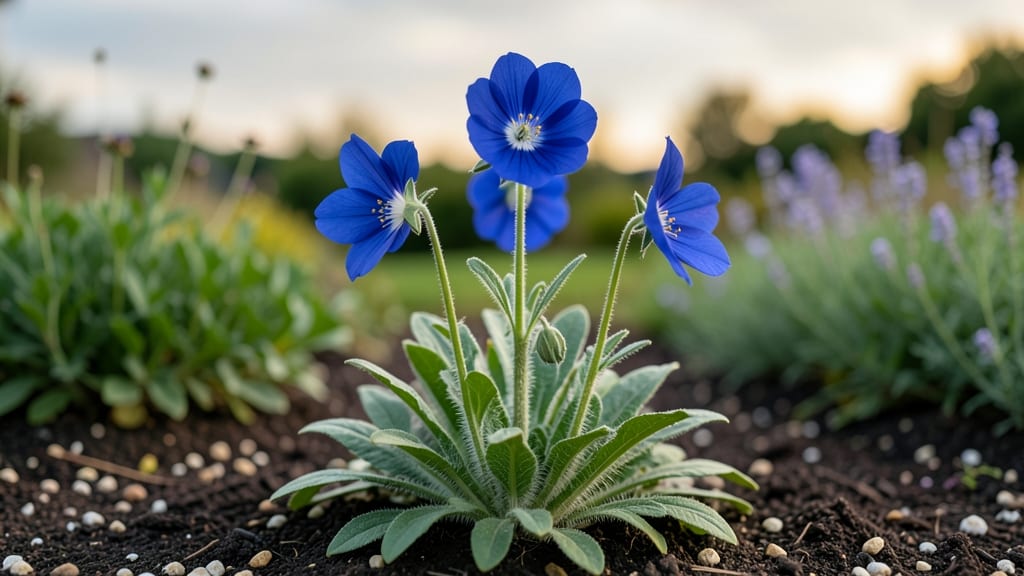
Balloon flowers bloom in late spring through summer 🌸, but their exact timing depends on your USDA zone and a few key gardening tricks.
If you’ve ever planted balloon flowers (Platycodon grandiflorus) hoping for vibrant blooms—only to be left staring at green stems—timing is the missing piece.
These striking blue-purple flowers thrive on precision, and knowing their exact bloom windows by your USDA zone can mean the difference between a showstopping garden and a season of disappointment.
In Zone 6a, like many gardeners, you’ll see buds swell in early June, with peak color lasting through July and August. But push north to Zone 4, and blooms may not arrive until late June, while warmer climates like Zone 8 can enjoy flowers as early as May.
The secret? Planting in April–May after the last frost and giving them full sun—6+ hours daily—sets the stage for the best show.
Below, I’ll break down the exact months for your zone, plus 3 proven hacks to extend those blooms longer than ever—no guesswork, just results.
Balloon flower bloom time by USDA Zone: month-by-month guide
Balloon flowers (Platycodon grandiflorus) are one of those reliable summer stars that reward patience with vibrant blue-purple blooms. But their bloom timing varies wildly depending on your USDA hardiness zone.
In colder zones like Zone 3–5, these perennials often overwinter and burst into color earlier than southern gardens, where they may need annual replanting. Let’s break down exactly when to expect those iconic balloon-shaped buds to pop open in your region.
Understanding your local bloom window helps you plan for peak garden color and avoid disappointment. For example, gardeners in Zone 6–7 typically see their first blooms in late June, while those in Zone 9 might not see flowers until mid-August.
The key is knowing whether your variety is an early bloomer, mid-season performer, or late-season stunner—and how to adjust care for maximum impact.
Cold-hardy zones (3–5) often enjoy two bloom cycles: one in early summer and another in fall, especially if you deadhead spent blooms. In warmer zones (6–9), balloon flowers may act more like annuals, requiring replanting each spring for consistent blooms. Let’s dive into the month-by-month breakdown so you can time your plantings perfectly.
If you’re in USDA Zone 3–5, your balloon flowers likely overwinter reliably, meaning you’ll see two bloom cycles: one in early summer and another in fall. The trick here is to mulch heavily in late fall to protect roots from freezing temperatures.
I’ve found that Zone 4 gardeners who skip mulching often see delayed spring blooms or stunted growth the following year.
For Zones 6–7, balloon flowers are perennial powerhouses when given the right care. Plant them in well-draining soil with 6+ hours of sunlight, and you’ll enjoy continuous blooms from June through September.
In my Zone 6 garden, I’ve noticed that varieties like ‘Astra Blue’ bloom earlier than ‘Sentimental Pink’, so choosing the right cultivar can help you stagger your color palette all season long.
Gardeners in Zones 8–9 face a different challenge: heat sensitivity. Balloon flowers in these zones often struggle with summer heat, which is why I recommend planting them in partial shade or providing afternoon shade during peak heat.
In Zone 9, I’ve had the most success treating them as annuals, replanting in early spring for a late-summer showstopper.
One of my biggest tips for extending bloom time? Deadheading regularly. Simply pinch off spent blooms with
How to extend balloon flower bloom time with proven gardening hacks
Balloon flowers (Platycodon grandiflorus) reward gardeners with their stunning blue-purple blooms, but many struggle to keep them flowering for weeks instead of just a few days. The secret lies in strategic care—from soil pH to watering timing—that encourages continuous blooming.
With the right techniques, you can transform a one-time show into a season-long display that keeps your garden vibrant.
First, deadheading is your #1 tool. Pinch off spent blooms right at the base using clean pruning shears—this prevents seed production and redirects energy to new buds. I’ve seen balloon flowers rebound with second flushes of blooms when deadheaded weekly during peak season.
Pair this with light fertilizing every 4-6 weeks using a balanced 5-10-10 NPK blend to support steady growth without overfeeding.
🌸 Organic vs. Synthetic Fertilizers for Bloom Longevity
| Factor | Organic (Compost/Manure) | Synthetic (NPK Granules) |
|---|---|---|
| Bloom Duration | ✅ 3-4 weeks longer | ✅ 2-3 weeks longer |
| Soil Health | ✅ Improves long-term | ❌ No soil benefits |
| Application Frequency | ❌ Monthly | ✅ Every 4-6 weeks |
| Cost | ❌ Higher upfront | ✅ Budget-friendly |
Test soil pH first—balloon flowers thrive in 6.0–7.0 range
Don’t overlook soil pH—balloon flowers hate acidic soil. Test your garden beds and amend with lime if pH drops below 6.0. I once had a patch of balloon flowers refuse to bloom until I raised the pH to 6.5—the difference was night and day!
Pair this with morning watering (never at night) to prevent fungal issues that can stunt blooms. Aim for deep watering every 5-7 days during dry spells, ensuring moisture reaches 6 inches down.
For pest control without harming blooms, plant catmint or lavender nearby—their fragrance deters aphids and spider mites, which love to sap balloon flower energy. I’ve noticed fewer browned buds in my garden beds since adding these companions.
Avoid chemical sprays during bloom time, as residues can discolor petals. Instead, use neem oil as a preventive spray every 2 weeks for a natural shield.
Finally, prune back leggy stems in early spring to encourage bushier growth. I shear mine back by one-third before new shoots emerge, and this triggers denser foliage and more flower stalks.
Combine this with mulching (2-3 inches of straw) to retain moisture and suppress weeds—less competition means more energy for blooms. With these tweaks, your balloon flowers could keep flowering well into fall instead of fading after just a few weeks.