
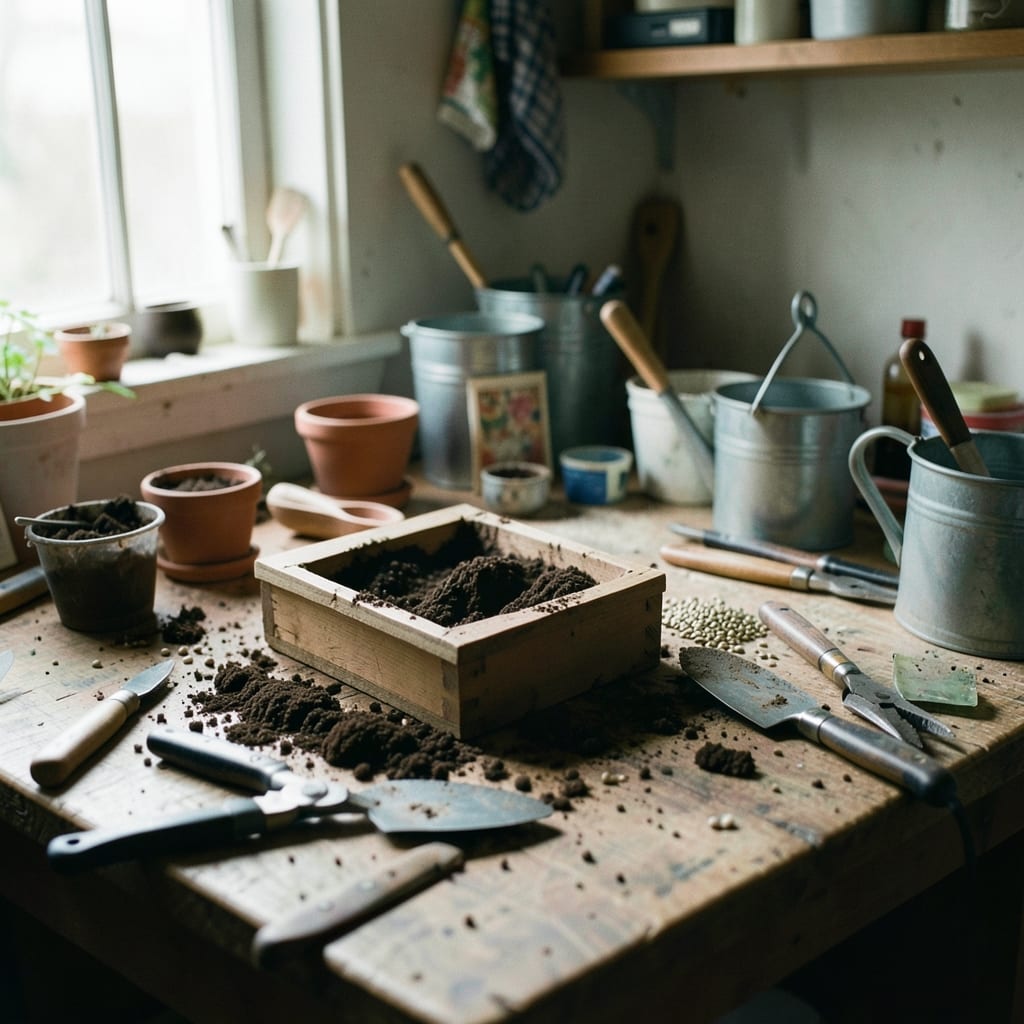
It started with a basil plant that kept dying
It was late May in my grandmother’s backyard, and I had just planted a basil seedling in a pot too small for its roots. The soil was rich, the sun was warm, but within a week, the leaves curled brown at the edges.
I watered it more, then less, then more again—nothing worked. The plant looked healthy from a distance, but up close, the stems were hollow where they met the soil, and the roots had rotted into a slimy mess.
I replanted it in a bigger pot, this time with extra drainage holes. The first signs of growth were promising: new leaves unfurled, bright and fragrant. But two days later, the soil smelled sour, and the stems collapsed like overcooked pasta.
I checked the water—it was still damp days after I’d poured it in. The plant wasn’t thirsty; it was drowning.
That summer, I lost seven basil plants in the same way. Each time, I adjusted the soil, the pot, the watering schedule—but the rot always came back. The problem wasn’t my hands; it was the way I assumed plants should grow.
I’d read the rules, followed the advice, and still, the roots refused to stay alive.
Nine tries before it worked
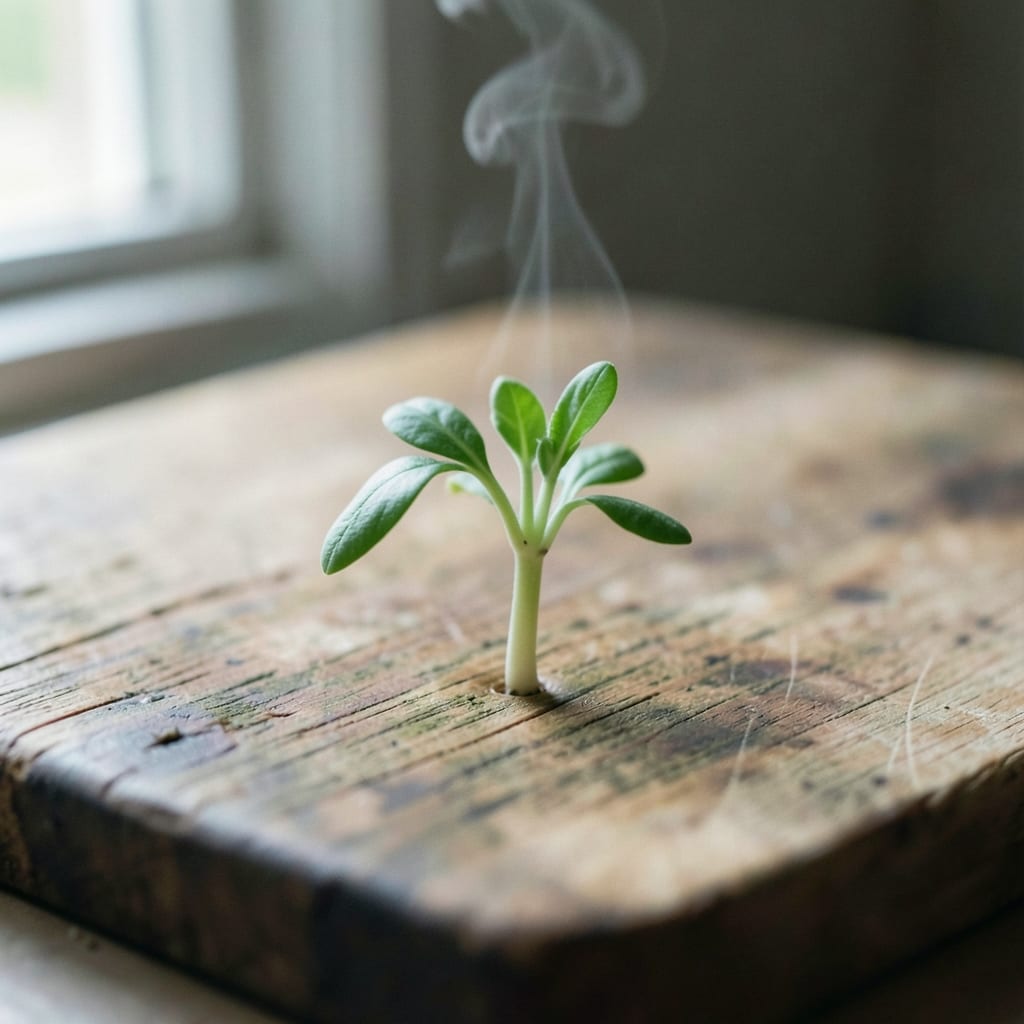
The first four attempts all failed in the same way: soft, mushy stems and a soil that smelled like wet newspaper. I switched to a sandy loam mix, thinking the drainage would fix it, but the fifth plant wilted within a week.
Then I tried raising the pot off the ground with bricks, but the roots still suffocated—this time, the leaves turned yellow before they even curled.
On the sixth try, I sterilized the soil with boiling water and added perlite to lighten it. The plant lasted ten days before the roots blackened again. By the seventh attempt, I’d given up on pots entirely and planted it directly into the garden bed, staking it against the wind.
It survived three weeks before a sudden downpour turned the soil into sludge, and the stems snapped at the base.
The eighth time, I moved the pot onto a windowsill where the light was indirect but steady. The leaves stayed green, but the roots still refused to hold.
It wasn’t until the ninth plant—when I finally let the top inch of soil dry out completely between waterings—that the stems stayed firm. The leaves didn’t just survive; they thrived, their scent sharp and sweet in the evening air.
The mind behind these pages
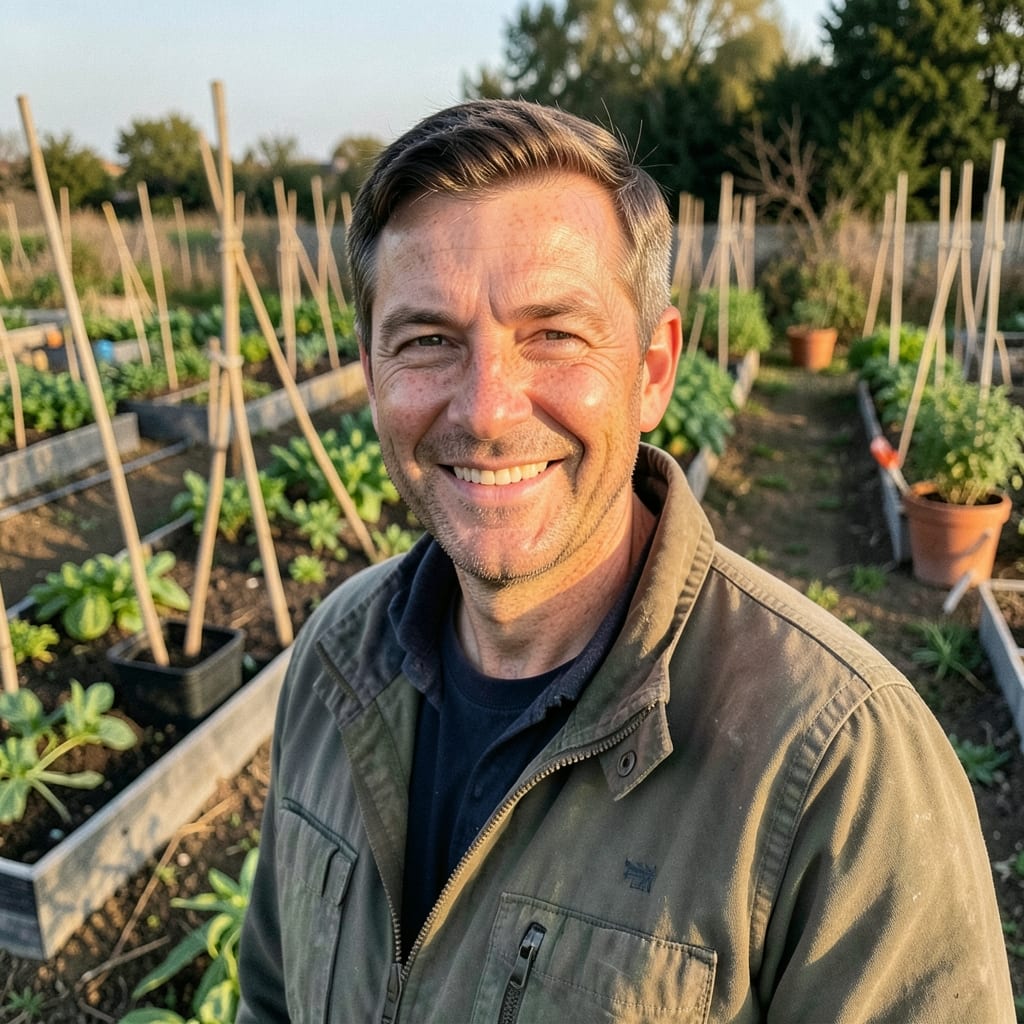
Franklin Laurent is the person who kept replanting that basil until it stayed alive. Now, he grows vegetables in whatever space he can find—balconies, community plots, even cracks in the pavement—because every plant, no matter how small, deserves a chance to root.
He’s the kind of person who notices when a seedling’s leaves aren’t quite right, who adjusts the water before the soil has a chance to sour, who remembers the exact temperature his grandmother’s greenhouse stayed at in July.
His habit of trying again cost him seven pots, a season’s worth of frustration, and a reputation for being stubborn. His grandmother called it ‘patience with a shovel.’
He once spent an afternoon pruning a tomato plant with garden shears that were too dull, only to realize halfway through that he’d been snipping the wrong branches. The tomatoes still grew, but the lesson stuck: the tools matter as much as the hands using them.
This site is where he writes down everything he learns the hard way—so you don’t have to replant nine times to get it right.
Everything here is written the way that basil was
Every guide, tip, and troubleshooting note on this site started as a plant that failed—then was replanted, adjusted, and tried again. The soil mix? Tested three times before it was trusted. The watering schedule? Written down after the fifth wilt.
Even the photos of thriving beds were taken months after the first rot set in.
You’ll never see a perfect plant here, because perfection isn’t how things grow. What you *will* see are the cracks in the soil, the stems that nearly gave up, and the exact moment the roots finally held. That’s where the real lessons are.
A page isn’t published until it’s been rewritten after a mistake—just like a basil seedling isn’t kept until it’s outgrown the rot. The difference is, here you get to skip the dying part.
What that means for you
You’ll find no ‘foolproof’ advice here—only what was learned after the soil turned to mud, the leaves curled, and the roots refused to cooperate. Every page is built on the same principle: if it hasn’t failed at least once, it hasn’t been tried enough.
What you *won’t* find are generic tips or wishful thinking. No ‘plant in full sun’ without explaining what ‘full sun’ means in your climate. No ‘water when dry’ without showing you how to tell the difference between thirst and rot.
If you’ve got a plant that keeps failing—or one that thrived when no one expected it to—tell us about it. The best lessons come from the soil, not the books.
There’s more to share on the contact page.
The guides are grouped by category: Advice, Aphids, Blooming, Companion Plants, Container Gardens and Diseases.