
Flowers
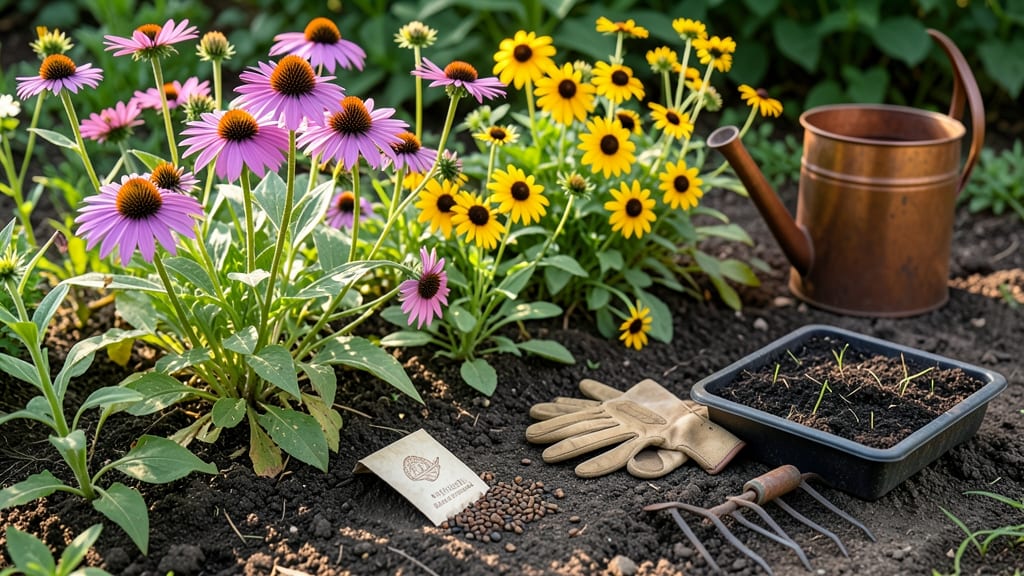
Planting wildflowers in Wisconsin at the right time means the difference between a burst of color by summer and a season of bare soil.
Wisconsin’s unpredictable spring weather can turn wildflower planting into a guessing game—but timing is everything for vibrant blooms that last all season.
In USDA Zones 4-6b, your best bets are early spring (March-April) or early fall (August-September), when soil temps are just right for seeds to germinate before summer heat or winter frost sets in.
Below, I break down the exact frost-free windows, seed selection tips for Wisconsin’s climate, and how to prep your soil for long-lasting blooms that attract pollinators all season.
Wisconsin wildflower planting timeline by USDA Zone 4-5 (with frost date maps)
Wisconsin’s USDA Zones 4-5 bring short growing seasons and unpredictable frost dates, making timing critical for wildflower success. Whether you’re planting native perennials or annual bloomers, aligning with soil temperatures and frost risks ensures vibrant gardens.
I’ll break down the best months for planting, including early spring and early fall strategies tailored to Wisconsin’s climate.
The key to thriving wildflowers in Wisconsin lies in understanding soil temperature thresholds and frost date averages. Most wildflower seeds germinate best when soil reaches 45-60°F, while hardy perennials can tolerate cooler conditions.
Northern Wisconsin (Zone 4) typically has 120 frost-free days, while southern areas (Zone 5) enjoy 150-180 days. Let’s map out your planting calendar.
📅 Spring Planting (March-May): Start indoors in late February for tender annuals like cosmos. Direct sow hardy perennials like black-eyed susans after the last frost date (mid-April to early May). For northern Wisconsin, wait until mid-May to avoid late frosts. Always prepare beds by removing weeds and loosening soil to 6 inches deep.
🍂 Fall Planting (August-September): Early fall is ideal for perennial wildflowers like coneflowers and phlox. Plant seeds 4-6 weeks before first frost (mid-October) to allow roots to establish. This method reduces spring competition and boosts first-year blooms. Cover seeds lightly with ¼-inch soil or mulch to protect from erratic Wisconsin weather.
For Zone 4 gardeners, focus on late May plantings to avoid late frosts. Use row covers for added protection during May-June. In Zone 5, you can extend planting into early June for heat-loving annuals like sunflowers.
Always check local frost maps—Wisconsin’s northern regions can have 2-3 weeks later last frosts than southern areas.
Soil preparation is non-negotiable in Wisconsin’s clay-heavy soils. Amend beds with compost and sand to improve drainage. Test soil pH—most wildflowers thrive in 6.0-7.0.
If your soil is too acidic (<6.0), add lime in early spring. For sandy soils (common in northern WI), mix in peat moss to retain moisture.
Watering strategies differ by season. In spring, keep soil consistently moist until seeds germinate (usually 10-14 days
Best wildflower seed types for Wisconsin’s climate (perennial vs annual comparison)
Wisconsin’s short growing season demands wildflower varieties that thrive in USDA Zones 4-5, where winters are harsh and summers can be unpredictable. Choosing between perennial and annual wildflowers depends on your goals—whether you want long-term beauty or quick seasonal color.
Perennials like black-eyed susans return year after year, while annuals like cosmos offer instant blooms but require replanting.
Native species such as coneflowers and bee balm are excellent choices because they’re adapted to Wisconsin’s climate, supporting local pollinators while requiring minimal care. Non-native options like sunflowers and marigolds can also thrive but may need extra attention to handle our late frosts and cool summers.
Let’s break down the pros and cons to help you decide which wildflowers will flourish in your garden.
Perennial vs Annual Wildflowers for Wisconsin
- Returns yearly
- Low maintenance
- Supports pollinators
- Deep root systems
- Slower to establish
- May need winter mulch
- Limited color variety
- Fast-growing blooms
- Wide color variety
- Easy to replace
- Great for containers
- Must replant yearly
- Shorter bloom time
- Higher water needs
- Less eco-friendly
For perennial wildflowers, consider black-eyed susans and purple coneflowers, which are both drought-tolerant and attract butterflies and bees. These plants establish deep roots, making them resilient to Wisconsin’s dry summers and freezing winters.
Plant them in full sun for the best results, and they’ll reward you with vibrant blooms from mid-summer to fall.
If you prefer annual wildflowers, cosmos and sunflowers are excellent choices for quick color. Cosmos, in particular, thrives in poor soil and drought conditions, making it perfect for Wisconsin’s variable weather.
These annuals will bloom within 60-90 days of planting, giving you instant gratification. However, you’ll need to replant them each year, which can be time-consuming but worth the effort for their cheerful displays.
Another popular option is native wildflowers like wild bergamot and partridge pea, which are well-adapted to Wisconsin’s climate. These species not only provide beautiful blooms but also support local ecosystems by providing nectar for pollinators.
They’re ideal for wildlife gardens and pollinator-friendly landscapes, making them a great choice for environmentally conscious gardeners.
When selecting wildflowers, also consider your garden’s sun exposure and soil type. Most wildflowers prefer well-draining soil and full sun, but some, like foxglove, can tolerate partial shade. Always check the specific requirements of each variety to ensure they’ll thrive in your Wisconsin garden.
With the right choices, you’ll enjoy a vibrant, low-maintenance garden that blooms beautifully year after year.