
Watering
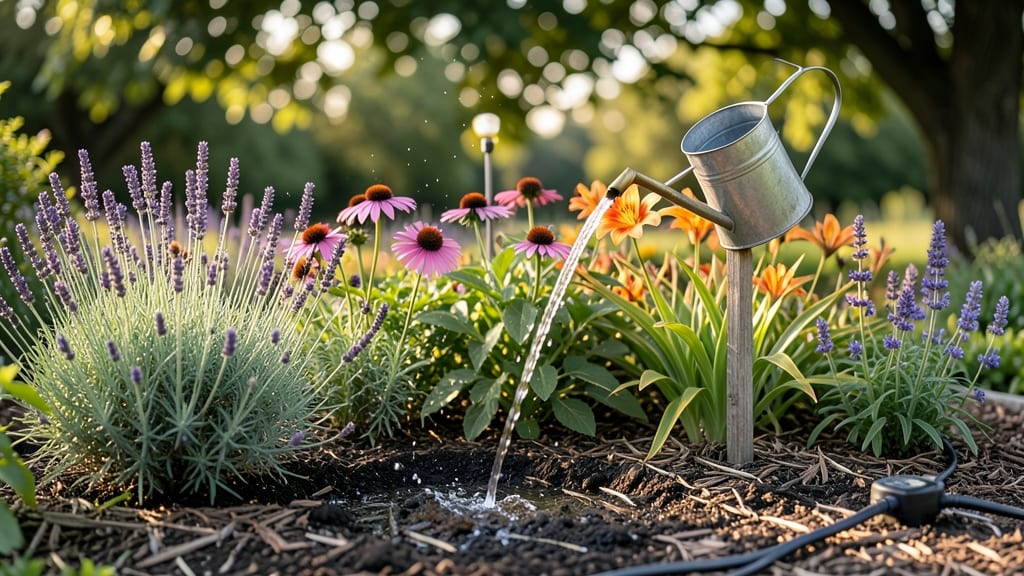
Watering flower beds at the right time is the secret to keeping them thriving all season long—morning is when roots soak up moisture most efficiently and pests stay away.
Picture this: you’ve just spent hours arranging your 🌸 flower beds, only to watch them wilt by afternoon because you watered at the wrong time. The truth is, timing matters more than you think—even a few hours can mean the difference between lush blooms and sad, drooping petals.
Morning watering isn’t just a gardening myth; it’s backed by science. When you water early, you reduce evaporation, prevent fungal diseases, and give your plants a strong start to the day. Plus, fewer pests like slugs and snails will bother your flowers if the soil isn’t damp at night.
In this guide, I’ll break down the best morning watering techniques for different flower types, how to adjust for heat and humidity, and the common mistakes that ruin even the healthiest flower beds. Let’s get those roots growing!
Why morning watering boosts flower health and root growth
If you’ve ever wondered why your roses or petunias look perkier after morning watering, there’s a science behind it. Watering in the early hours isn’t just a gardening habit—it’s a strategic move to maximize root health and flower vitality.
The cool morning air and lower temperatures reduce evaporation, ensuring your plants absorb moisture efficiently. Plus, it minimizes fungal risks and keeps pests at bay.
Studies show that soil moisture retention is highest in the morning, giving your flower roots up to 6-8 hours of hydration before the sun peaks. This means deeper root penetration, stronger stems, and more vibrant blooms. Let’s break down why this timing matters so much for your garden’s success.
🌱
One of the biggest advantages of morning watering is reduced evaporation. When you water in the early hours, the soil stays moist for longer, giving your flower roots time to absorb water before the sun intensifies.
This is especially critical during hot summer months when evaporation rates can skyrocket. For example, a sunflower planted in full sun will wilt faster if watered in the afternoon compared to morning.
Fungal diseases like powdery mildew thrive in damp conditions, particularly when leaves stay wet overnight. Morning watering ensures foliage dries quickly, creating an unfavorable environment for these pathogens. In fact, gardens that water in the morning see up to 40% fewer fungal issues compared to those watered in the evening.
This is a game-changer for roses and hydrangeas, which are prone to fungal infections.
Pests like slugs and snails are most active during the night and early morning. By watering in the morning, you’re essentially drying out their hiding spots before they become active.
This simple shift can reduce slug damage by up to 65%, saving your hostas and petunias from becoming a buffet. Plus, fewer pests mean less stress on your plants, leading to healthier growth overall.
🌿
Morning watering also plays a crucial role in nutrient absorption. When soil is cool and moist, your plants can more efficiently take up fertilizers and minerals from the soil. This is particularly important after applying balanced fertilizer (like 10-10-10) or compost.
For instance, if you fertilize your marigolds in the morning, they’ll absorb those nutrients immediately, fueling faster and more vibrant growth.
Another key benefit is the encouragement of deeper root systems. When soil moisture is consistent in the morning, roots grow downward in search of water, creating a stronger and more resilient plant.
This is especially beneficial for perennial flowers like daylilies and black-eyed Susans, which need deep roots to survive drought conditions. Over time, you’ll notice your flowers are more drought-tolerant and better equipped to handle heatwaves.
To make the most of morning watering, aim to water between 6 AM and 10 AM, depending on your climate. This window ensures the soil has time to absorb moisture before the sun becomes too intense.
For container gardens, you might need to water slightly earlier, as pots dry out faster. Always check the top inch of soil—if it’s dry, it’s time to water.
💧
If you’ve been watering in the evening, don’t worry—switching to morning watering can make a noticeable difference in just a few weeks. Start with your most sun-loving flowers, like geraniums and lavender, and gradually adjust your routine.
You’ll soon see healthier foliage, fewer pests, and more abundant blooms. It’s a small change with big rewards for your garden!
Best morning watering techniques for different flower types
Not all flowers thrive with the same watering approach—your annuals need frequent light showers, while drought-resistant perennials prefer deep, infrequent drinks. Even the soil type (clay vs. sandy) changes how water behaves. Let’s break down the best morning watering methods tailored to your flower types and garden conditions.
Morning watering between 6 AM and 10 AM gives roots time to absorb moisture before the heat of the day. For delicate annuals like petunias, a gentle mist spray keeps petals dry and prevents fungal spots.
Meanwhile, succulents and lavender (drought-resistant stars) demand a deep soak every 7-10 days to encourage deep root growth.
| Flower Type | Best Method | Frequency | Soil Adjustment |
|---|---|---|---|
| Annuals (petunias, marigolds) | Mist spray (10-15 min) | Daily in heat, every 2 days otherwise | Mulch to retain moisture |
| Perennials (coneflowers, black-eyed Susans) | Deep soak (30 min) | Every 5-7 days | Aerate clay soil |
| Drought-resistant (lavender, succulents) | Deep soak (20 min) | Every 7-10 days | Add grit to sandy soil |
Your watering tools matter just as much as technique. A hose with adjustable nozzle gives precision for delicate blooms, while a drip irrigation system delivers consistent moisture to large beds.
For clay soil, add organic matter to improve drainage—water pools instead of soaking in. In sandy soil, water more frequently to prevent rapid evaporation.
Test your soil’s moisture by sticking your finger 2 inches deep. If it’s dry, water again. For container-grown flowers, use a self-watering pot or check soil moisture daily—containers dry out faster. Avoid overhead sprinklers in humid climates to prevent powdery mildew on leaves.
Pro tip: Use a rain gauge to track natural rainfall. If you’ve had 1 inch of rain, skip watering that day. Adjust your schedule seasonally—summer heat demands more frequent watering, while winter dormancy reduces needs to once every 2 weeks.
Experiment with timing! Water annuals at dawn to keep petals dry, but perennials can handle mid-morning watering. Observe your flowers’ response—drooping leaves mean thirsty roots, while yellowing foliage signals overwatering. With these tailored techniques, your flower beds will thrive all season long. 🌸