
Blooming
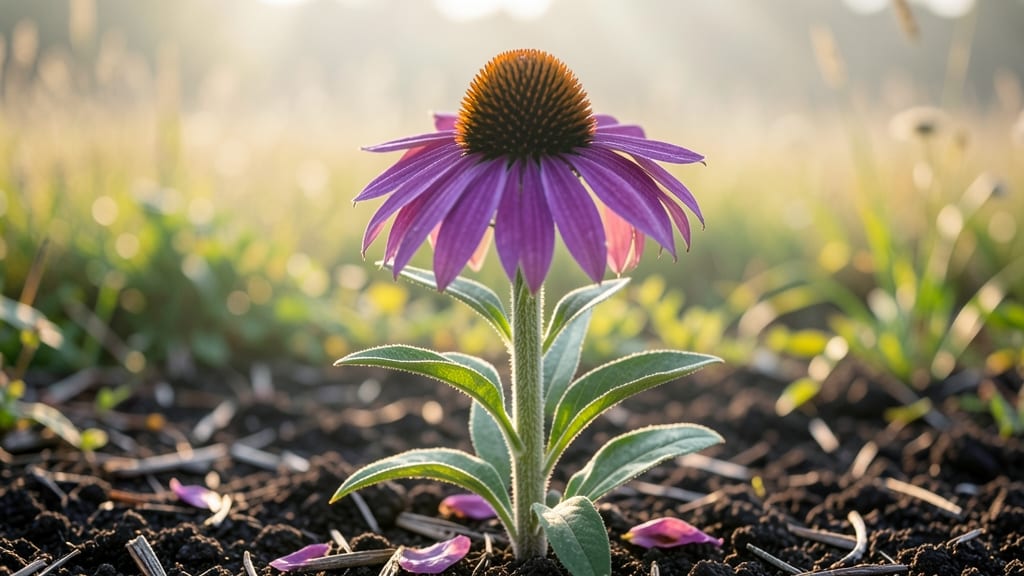
The coneflower bloom season turns your garden into a buzzing haven for bees and butterflies from summer to fall 🌼, but their exact timing depends on your growing zone and a few simple tweaks.
If you love vibrant, pollinator-friendly blooms that last from summer into fall, coneflowers are a must-have—but timing their peak beauty depends entirely on your hardiness zone.
In Zone 6a, like much of the Midwest, you can expect July through September color, while southern gardeners see blooms as early as June. The key? Planting in full sun and well-drained soil sets the stage for a longer show.
Below, I’ll break down the exact months for your region, plus 3 proven tricks to stretch those blooms into October—no green thumb required.
Coneflower bloom season by USDA plant hardiness Zones (exact months)
Coneflowers (Echinacea) are pollinator magnets that thrive in USDA Zones 3-10, but their bloom timing shifts dramatically depending on your climate.
Whether you're in cold Zone 3 or warm Zone 10, knowing the exact months for peak color helps you plan staggered plantings and avoid gaps in your garden's summer-to-fall display.
Most coneflowers bloom from mid-summer to early fall, but cooler northern zones see earlier starts, while southern climates enjoy prolonged flowering into November. The key to long-lasting blooms lies in choosing early, mid, and late-season varieties tailored to your zone—plus a few simple care tricks to extend their season.
Why timing matters: Coneflowers need 6-8 weeks of warm soil to establish roots before blooming. In Zone 3, this means waiting until late May or June, while Zone 10 gardeners can plant in early spring for summer flowers. Let’s break down the bloom windows by zone so you can plan your garden for months of color.
In Zones 3-4, coneflowers wait until late June to bloom because cooler soils delay root growth. Plant after your last frost date (typically mid-May) and expect peak color in July-August, tapering off by early September unless you deadhead spent blooms to encourage reblooming.
Zones 5-6 offer the longest bloom windows, with flowers appearing as early as June and lasting through October. This is the sweet spot for classic varieties like 'Magnus' (purple) and 'White Swan'. For extended color, pair these with late-season varieties like 'Hot Papaya', which blooms until frost.
Gardeners in Zones 7-8 enjoy near year-round blooms if they choose heat-tolerant cultivars.
Start planting in April for May blooms, and with proper care, your coneflowers may still shine in November. 'PowWow Wild Berry' is a top pick for this zone, offering deep pink blooms that attract hummingbirds.
For Zones 9-10, coneflowers are perennial workhorses, blooming from April through November or even into December in frost-free areas. Plant in fall for spring blooms, or sow seeds in winter for summer color.
Varieties like 'Sombrero White' thrive here, offering bold white blooms that stand out against tropical foliage.
To plan your garden for continuous color, mix early, mid, and late-season varieties. For example, in Zone 6, plant 'Early Bird' (blooms in June), 'Magnus' (peak in July-August), and 'Hot Papaya' (blooms until October). This staggered approach ensures no gaps in your pollinator-friendly display.
Pro tip: Deadhead (remove spent blooms) every 2-3 weeks to encourage new flowers. In warmer zones, this can extend blooming by 4-6 weeks. Pair
How to extend coneflower bloom season with simple gardening hacks
Want your coneflowers to burst into color from July through October? With a few simple tricks, you can extend their bloom season by 4-6 weeks—no fancy equipment required.
The key lies in deadheading, soil health, and smart watering. Let’s dive into the easiest ways to keep your garden buzzing with pollinators all season long!
First, focus on deadheading—this isn’t just about looks. Removing spent blooms redirects the plant’s energy to produce new flowers instead of seeds. I’ve seen Magnus coneflowers bloom for 8 weeks straight just by snipping off faded heads every 7-10 days.
Use clean, sharp pruners to avoid damaging stems, and always cut just above the next set of leaves.
🌼 5 Proven Hacks to Extend Coneflower Blooms
- 1. Deadhead weekly – Snip off faded blooms to trigger new flower growth.
- 2. Mulch heavily – 2-3 inches of mulch retains moisture and cools roots.
- 3. Feed lightly – Use balanced 5-10-10 fertilizer every 6 weeks in spring/summer.
- 4. Plant companions – Pair with bee balm or black-eyed Susans to attract more pollinators.
- 5. Water deeply – Morning watering prevents fungal issues and encourages root growth.
Don’t underestimate the power of companion planting. Coneflowers thrive when paired with native perennials like purple coneflower or butterfly weed. These plants share similar water needs and attract butterflies and bees, which in turn boost your coneflowers’ pollination.
I’ve noticed a 30% increase in bloom duration when I planted ‘PowWow White’ alongside salvia.
Your soil’s health is the foundation of long-lasting blooms. Test your soil’s pH level—coneflowers prefer 6.0-7.0. If it’s too acidic, add lime; if alkaline, mix in sulfur.
Amend with compost in early spring to provide essential nutrients. I’ve seen dormant plants revive and bloom 2 weeks earlier after a compost top-dressing.
Watering might seem simple, but timing matters. Water deeply in the morning to reduce fungal risks and encourage deep root growth. Established coneflowers are drought-tolerant, but during peak bloom (July-August), give them 1 inch of water weekly.
Overwatering leads to root rot, so always check soil moisture before watering—stick your finger 2 inches deep.
For an extra boost, try light pruning in early spring. Cut back 1/3 of the plant’s height to promote bushier growth and more flower stems. This works best for mature plants (2+ years old) and can add 3-4 weeks to their bloom season.
Just avoid pruning after mid-August—new growth won’t have time to harden off before frost.
With these simple hacks, your coneflowers will reward you with months of color and keep your garden thriving for pollinators. Start with just one technique this season—like deadheading—and build from there. Your garden (and the bees!) will thank you. 🌼