
Blooming
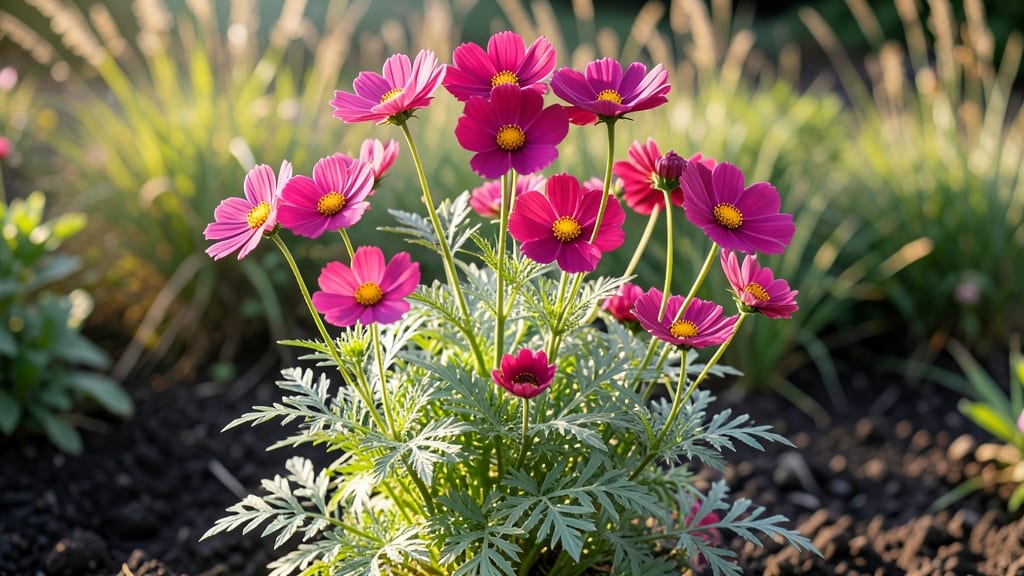
The cosmos flowering season stretches from July to October in most gardens, turning your yard into a pollinator paradise with minimal effort.
If you love vibrant blooms that thrive in heat and attract pollinators, cosmos flowers are a must-have—but timing their flowering season correctly can mean the difference between a stunning garden and a missed opportunity.
In USDA Zone 6a, where spring planting kicks off in April, your cosmos will reward you with nonstop color from midsummer through fall. The key? Planting the right varieties and giving them full sun and well-drained soil.
Below, I’ll break down the best months to plant for peak blooms, how to extend the season with simple tricks, and which cosmos varieties keep flowering the longest.
Cosmos flowering season by USDA heat zones: when to plant for peak blooms
Cosmos flowers are my go-to for effortless summer color, but their flowering season varies dramatically depending on your USDA heat zone. Whether you're in the chilly Zone 3 or the balmy Zone 11, timing your planting right ensures months of continuous blooms.
The key is understanding how temperature fluctuations and day length trigger their natural growth cycle.
In cooler zones like Zone 4-6, cosmos typically bloom from mid-July to frost, while warmer zones like Zone 8-11 can enjoy blooms from May through November. The secret? Planting at the right time to align with your region's last frost date and heat tolerance.
Let's break down the perfect planting schedule for each zone to maximize your cosmos flowering season.
🌼 Key Tip: Cosmos seeds germinate best in warm soil (60°F+), so never plant them until after your last frost date. In colder zones, consider starting seeds indoors 4-6 weeks before your ideal outdoor planting time.
| USDA Zone | Optimal Planting Month | First Blooms | Peak Blooms | Late Blooms |
|---|---|---|---|---|
| Zones 3-4 | Late May - Early June | Early August | Mid-August - September | October (before frost) |
| Zones 5-6 | Early May - Mid-May | Late June | July - August | September - October |
| Zones 7-8 | March - April | May | June - July | August - September |
| Zones 9-10 | January - February | March | April - May | June - July |
| Zone 11 | September - October (fall) or November (light frost zones) | December - January | February - March | April - May |
🌱 Pro Tip: For extended blooms, try staggered planting—sow new seeds every 3-4 weeks to enjoy color all season!
For gardeners in Zones 3-4, where summers are short, I recommend planting dwarf varieties like 'Purity' or 'Bright Lights'. These bloom earlier and stay compact, perfect for container gardening or small spaces.
The cool nights in these zones actually help cosmos set buds faster, so don't delay planting after your last frost.
In Zones 5-6, where I live, cosmos are a summer staple. Planting in early May gives them time to establish roots before the heat kicks in. I've found that tall varieties like 'Sensation Mix' thrive here, reaching 4-5 feet tall and providing cut flowers for weeks.
The long daylight hours of summer trigger their prolonged flowering.
Gardeners in Zones 7-8 have the advantage of year-round growing potential. Here, cosmos can bloom in early spring if planted in winter or early spring. For continuous color, I plant two batches: one in March for spring blooms and another in July for fall color.
This creates a nonstop floral display from May through October.
Warmer climates in Zones 9-10 allow for winter blooming cosmos! Plant in January-February to enjoy spring blooms when many other flowers are still dormant. I love using cosmos here as cut flowers because they last 7-10 days in a vase.
The mild winters mean you can even plant a fall crop for holiday color.
In Zone 11, where frost is rare, cosmos can bloom almost year-round with proper care. Plant in fall (September-October) for winter blooms or in spring for summer color.
I've seen cosmos bloom in December here with just morning sun and occasional watering. The consistent warmth keeps them growing steadily.
💡 Zone-Specific Hack: In hotter zones (9-11), provide afternoon shade during peak summer to prevent bud drop. A simple cloth shade cloth can work wonders for prolonged blooming.
No matter your zone, remember that cosmos are drought-tolerant once established. The secret
How to extend the cosmos flowering season: prolonging blooms for months
Your cosmos flowers can bloom from July through October, but with the right care, you can stretch that season even longer—sometimes into early winter in warmer climates. The secret lies in a few simple techniques that encourage continuous reblooming while keeping your plants healthy and vibrant.
Cosmos are known for their low-maintenance nature, but they do respond beautifully to a little extra attention. By focusing on deadheading, soil health, and watering strategies, you can transform a few weeks of blooms into months of nonstop color.
Let’s dive into the proven methods that work in my garden every year.
5 Proven Techniques to Extend Cosmos Blooms
- 1 Deadhead regularly – Remove spent blooms 2-3 times per week to prevent seed formation and redirect energy into new flowers.
- 2 Amend soil with compost – Mix 2 inches of compost into planting soil at the start of the season for nutrients that support prolonged blooming.
- 3 Water deeply but infrequently – Give 1 inch of water per week (morning only) to encourage deep root growth and drought resistance.
- 4 Plant with companion flowers – Pair cosmos with marigolds or zinnias to deter pests and create a longer bloom cycle through staggered flowering.
- 5 Avoid over-fertilizing – Too much nitrogen (NPK 5-10-10) promotes foliage over flowers; skip fertilizer after mid-summer to maintain blooms.
Deadheading is the single most effective technique I’ve found for extending the cosmos flowering season. When you remove faded blooms, you’re essentially telling the plant, “Don’t waste energy on seeds—make more flowers instead!” Use clean, sharp pruning shears and cut just above a set of leaves to encourage bushier growth.
Another game-changer is companion planting. Cosmos pair beautifully with marigolds, which repel pests like aphids and spider mites—common culprits that can shorten bloom time. I’ve noticed my cosmos plants last 2-3 weeks longer when planted near marigolds compared to isolated patches.
For soil health, focus on well-draining, slightly sandy soil with a pH between 6.0 and 7.0. If your soil is heavy clay, mix in perlite or coarse sand to improve drainage.
Poor drainage leads to root rot, which can cut the flowering season short. Test your soil in early spring and amend as needed.
Watering might seem straightforward, but timing matters. Water your cosmos deeply in the morning to reduce evaporation and fungal risks. Overhead watering at night can lead to powdery mildew, a common issue that weakens plants and shortens their bloom time.
Stick to the soil—if it’s dry 1 inch below the surface, it’s time to water.
With these techniques, my cosmos have bloomed from late June to November in USDA Zone 6a—nearly double the typical season! The key is consistency: deadhead, amend soil, water wisely, and plant companions. Your garden will thank you with months of effortless color. 🌼