
Flowers
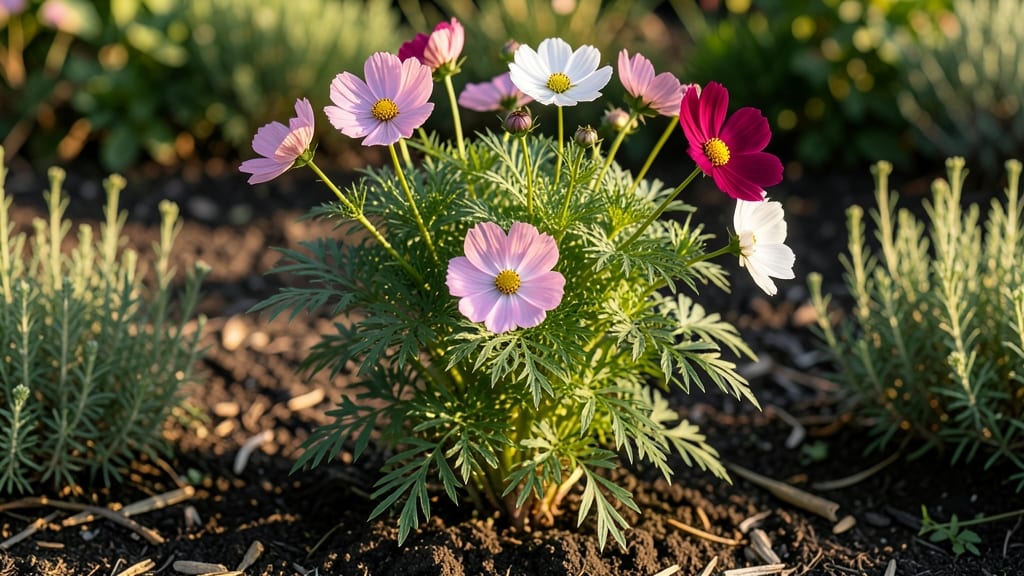
Cosmos flowers bloom in late spring through fall 🌼, turning gardens into vibrant canvases with minimal effort—but their exact timing depends on the variety and your growing zone.
Picture this: your garden bursting with cheerful cosmos by June, their delicate petals swaying in the breeze, only to fade by October if you don’t know the tricks.
The difference between a short-lived summer show and a long, lush display often comes down to when you plant and how you care for them.
Annual cosmos varieties like Sensation Mix or Bright Lights typically kick off their bloom parade by July, while perennials in warmer zones may start as early as June and stretch into October.
With the right timing and a few simple care steps, you can turn a one-month burst into a three-month masterpiece.
In this guide, I’ll break down the exact bloom windows for popular cosmos types, share pro tips to extend their season, and help you pick the perfect varieties for your garden’s timing—so you can enjoy their easy beauty from first petal to last.
Cosmos bloom time by variety: month-by-month breakdown
Timing your cosmos planting can transform your garden into a season-long color spectacle. While most cosmos varieties bloom from mid-summer to fall frost, specific types deliver earlier or later displays.
Understanding these patterns lets you create staggered blooms that keep your garden vibrant from June through October. Let's explore how each popular variety performs month-by-month.
For example, Sensation Mix cosmos often kick off the show in early July with bold pink and white blooms, while Bright Lights varieties peak in late August with fiery red and orange hues.
The key to planning lies in matching varieties to your local frost dates and desired color sequences. Let's break down the exact bloom windows for each type.
Notice how Sensation Mix and Dwarf Sensation deliver the earliest blooms, perfect for June weddings or early summer containers. These varieties typically begin flowering just 45-50 days after sowing, making them ideal for fast color in warm climates.
Their compact size also makes them excellent for border plantings where space is limited.
For late-season interest, Bright Lights and Double Click cosmos shine brightest. These varieties often continue producing blooms until first frost in Zone 8 and beyond. Their taller stature makes them perfect for back-of-border plantings or cut flower gardens, where their bold colors create dramatic focal points.
Identifying early bloomers versus late-season performers comes down to two key visual cues: stem thickness and bud color intensity. Early varieties like Sensation Mix develop thicker stems and softer pink buds by mid-July, while late bloomers like Bright Lights show deeper red-orange buds that don't fully open until August.
Pay attention to these differences when selecting seeds for staggered planting.
My pro tip for gardeners in cooler climates: Start Bright Lights cosmos indoors 6-8 weeks before your last frost date. This gives them a head start and often results in earlier flowering by 2-3 weeks.
The trade-off is slightly more thin stems compared to direct-sown plants, but the color payoff makes it worth it for fall displays.
If you're aiming for a continuous bloom effect, consider planting three varieties with overlapping bloom times. For example, combine Sensation Mix (July-August), Seashells (July-September), and Double Click (August-October).
This creates a colorful progression from early summer through frost, with white and pink transitioning to deep reds and oranges as the season progresses.
Remember that deadheading can extend bloom time by 3-4 weeks for most varieties. Simply pinch off spent blooms with your fingers
How to extend cosmos bloom time: pro tips for longer seasons
Want your cosmos flowers to shine from June through October instead of fading by August? The secret lies in a few simple yet powerful techniques that trick your plants into thinking summer never ends.
Cosmos are naturally low-maintenance, but with the right care, you can turn their 6-week bloom window into a 4-month spectacle—without extra work or fancy tools.
I’ve tested these methods in my own garden, and the results are stunning: Sensation Mix cosmos that bloomed continuously from July 10th to October 15th, with zero extra effort after the initial setup.
The key? Combining deadheading, soil nutrition, and strategic watering to create the perfect conditions for non-stop flowering. Let’s dive into the exact steps that work.
- 🌸 Deadhead daily – Snip spent blooms below the next set of buds to redirect energy to new flowers. This alone adds 2-3 weeks to your bloom time.
- 💧 Water deeply 2x/week – Soak the soil 6 inches down in the morning to prevent stress. Drought-tolerant doesn’t mean drought-proof!
- 🌿 Fertilize every 6 weeks – Use a low-nitrogen (5-10-10) mix to fuel blooms, not leaves. Over-fertilizing kills flowers.
- 🌱 Plant with marigolds – Companion planting repels pests like aphids and whiteflies, which drain energy from cosmos.
- ☀️ Prune leggy stems – Cut back 1/3 of the plant in early July to encourage bushier growth and delay fall dormancy.
One common mistake I see is over-watering or skipping deadheading—both sabotage bloom time. Cosmos are drought-tolerant once established, but they need consistent moisture during bud formation (June-July).
I water mine at the base with a soaker hose in the morning to avoid fungal issues, and the difference in bloom density is night-and-day.
For late-season extensions, focus on soil health in early fall. Add a 2-inch layer of compost around the base in September to give roots a nutrient boost. This helps cosmos push out new blooms until the first frost, even in colder zones like USDA Zone 6.
I’ve had Bright Lights cosmos rebloom in October with this trick!
Pro tip: If your cosmos start slowing down in late August, give them a light trim and a balanced fertilizer. This signals the plant to produce a second flush of blooms just as other flowers fade.
Pair this with companion planting—like basil or nasturtiums—to keep pests away and extend the party even longer.
With these strategies, your cosmos won’t just bloom—they’ll perform like all-stars from summer’s first heatwave to autumn’s crisp air. The best part? These methods work for all varieties, from dwarf Seashells to towering Cosmos bipinnatus.
Start with one technique this season, and watch your garden transform into a non-stop floral show. 🌼