
Light Requirements
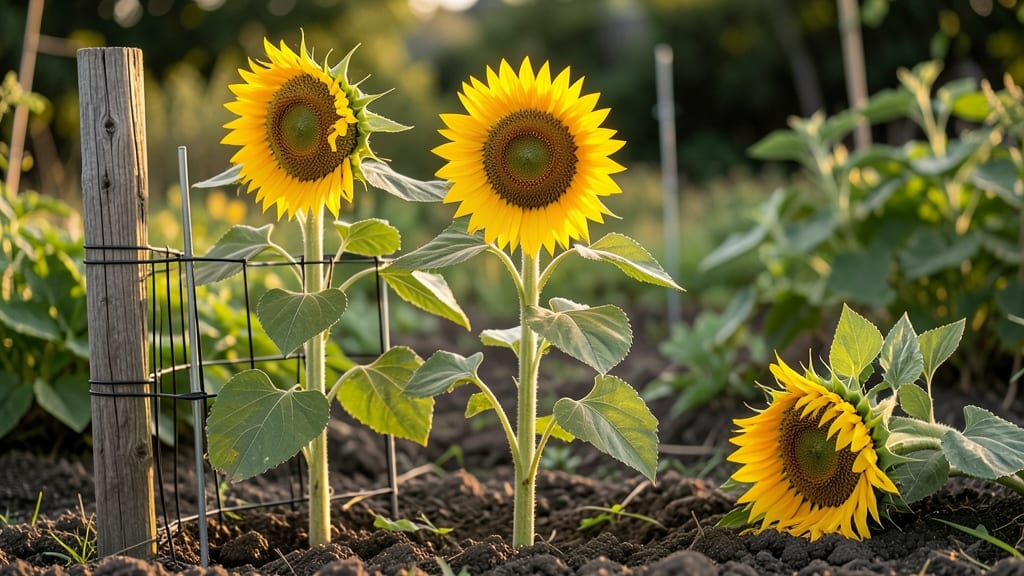
Sunflowers do need support when they grow taller than 6 feet — especially the towering varieties like 'Mammoth' or 'Russian Giant' that can reach 10-16 feet tall.
Picture this: a 12-foot sunflower 🌻 bending dramatically in a summer storm, its heavy head dragging the stem toward the ground. Without the right support, even the sturdiest stems can snap under wind, rain, or the weight of the blooms themselves.
But here’s the catch: not all sunflowers need staking. Dwarf varieties (under 4 feet) often stand proudly on their own, while mid-height plants may only need support in windy zones or loose soil.
The key is matching your sunflower’s height to the right support method—whether it’s a simple stake, a sturdy cage, or even a DIY trellis.
In this guide, I’ll walk you through when to add support, how to choose the best method for your garden, and the 5 mistakes that turn a sturdy stem into a floppy mess. Let’s keep those 🌻 giants standing tall!
When and why tall sunflowers need stakes or cages
Watching your sunflowers grow from tiny sprouts to towering giants is magical—but when they reach 8 feet or taller, stability becomes a real concern. Without proper support structures, even the sturdiest stems can snap under wind or rain.
The key is understanding which varieties need help and why, so you can prevent heartbreak (and broken plants).
Not all sunflowers require staking, but tall varieties like 'Mammoth' or 'Russian Giant' often do. These giants can grow 12-16 feet tall, with stems that, while thick, aren’t always strong enough to handle heavy flower heads or strong winds.
Soil type also plays a role—sandy or rocky soil offers less root anchorage than loamy, well-draining soil.
| Variety | Height Range | Support Needed? | Best Support Type |
|---|---|---|---|
| 'Mammoth' Series | 10-14 ft | Yes (stakes or cages) | Heavy-duty stakes or wire cages |
| 'Russian Giant' | 12-16 ft | Yes (mandatory) | Trellis or wide cages |
| 'Autumn Beauty' | 5-7 ft | No (unless windy) | None or light stakes |
| 'Teddy Bear' | 2-4 ft | No | None |
| 'ProCut Hybrid' | 8-10 ft | Yes (stakes) | Single or double stakes |
Even if your sunflower doesn’t need support, environmental factors can change that. Heavy rain or strong winds (common in late summer) can overwhelm any plant, regardless of variety. Pay attention to your local climate—if your area gets frequent storms, err on the side of caution and stake early.
I’ve seen 6-foot sunflowers topple in 30 mph winds, so don’t assume smaller varieties are safe.
The root system of a sunflower is surprisingly shallow for its height, which means it relies on stem flexibility to sway in the wind. However, once the flower head develops, it adds significant weight, making the stem more prone to bending or snapping.
This is why tall varieties often need support by mid-summer, not just at planting.
Another critical factor is soil compaction. If your garden soil is clay-heavy or waterlogged, roots struggle to anchor properly, increasing the risk of toppling. Amending the soil with compost or sand before planting can improve stability naturally.
I’ve found that loamy soil with good drainage gives sunflowers the best chance to stand tall without extra support.
You’ll know your sunflower needs support when you notice leaning stems, cracked stems, or wilted leaves despite consistent watering. These are red flags that the plant is struggling to support its own weight.
Acting early—before the flower bud forms—gives the plant the best chance of recovery. Waiting until the stem is already bent often means it’s too late to save.
For container-grown sunflowers, support is almost always necessary because potted plants have even less root anchorage. Use wide cages or stakes secured to the container’s rim to prevent tipping. I’ve had success with tomato cages repurposed for sunflowers, as they provide 360-degree support without restricting growth.
If you’re growing sunflowers in a windy location, consider planting them near a windbreak like a fence or hedge. This reduces the need for heavy-duty support while still protecting your plants.
Just ensure the windbreak doesn’t block sunlight, as sunflowers need full sun to thrive. A partial barrier on the windiest side is often the best compromise.
Remember, prevention is easier than fixing a fallen sunflower. Install stakes or cages when plants reach 2-3 feet tall, before they develop too much weight. Use soft ties (like fabric strips) to avoid damaging the stem as it grows.
With the right support, your giant sunflowers will stand proudly—ready to brighten your garden all season long. 🌻
Staking vs. caging: best support methods for sunflowers
Choosing between staking and caging for your sunflowers depends on their mature height and your garden conditions. Tall varieties like 'Mammoth' or 'Russian Giant' (reaching 10–16 feet) almost always need support, while dwarf varieties (3–4 feet) may not.
Wind exposure and soil type also play a role—sandy soil offers less stability than clay.
I’ve tested both methods in my garden, and each has unique benefits. Staking is ideal for single plants or small clusters, while cages work better for dense plantings or windy areas. Let’s break down the pros and cons to help you decide which method suits your sunflowers best.
Staking vs. Caging for Sunflowers
Staking
- Pros: Cost-effective, reusable, minimal space needed
- Cons: Requires frequent adjustments, less stable in wind
Caging
- Pros: Sturdy, protects from wind, easy to install
- Cons: Takes up more space, less reusable
For staking, I recommend using bamboo stakes (6–10 feet tall) or metal rods for extra durability.
Drive the stake 3–4 inches deep into the soil, about 3–4 inches from the stem, and tie the sunflower to it with soft garden twine or fabric strips every 2–3 feet as it grows. Avoid plastic ties—they can girdle the stem over time.
If you opt for cages, choose wire mesh (4–6 feet tall) or plastic tomato cages (8 feet tall). Place the cage over the plant when it reaches 12–18 inches tall and gently weave the stems through the openings.
DIY cages made from chicken wire or pvc pipes are budget-friendly alternatives. For extra wind protection, add a pea net around the cage.
Cost is another factor: stakes cost $0.50–$2 each, while cages range from $3–$10 depending on size and material. If you’re growing multiple sunflowers, cages may save money in the long run. For a single 12-foot giant, staking is often the simpler and cheaper choice.
Regardless of your method, check your sunflowers weekly to ensure ties aren’t too tight and the support isn’t bending. Adjust as needed—especially after rain or wind—to keep your sunflowers standing tall and proud.