
Blooming
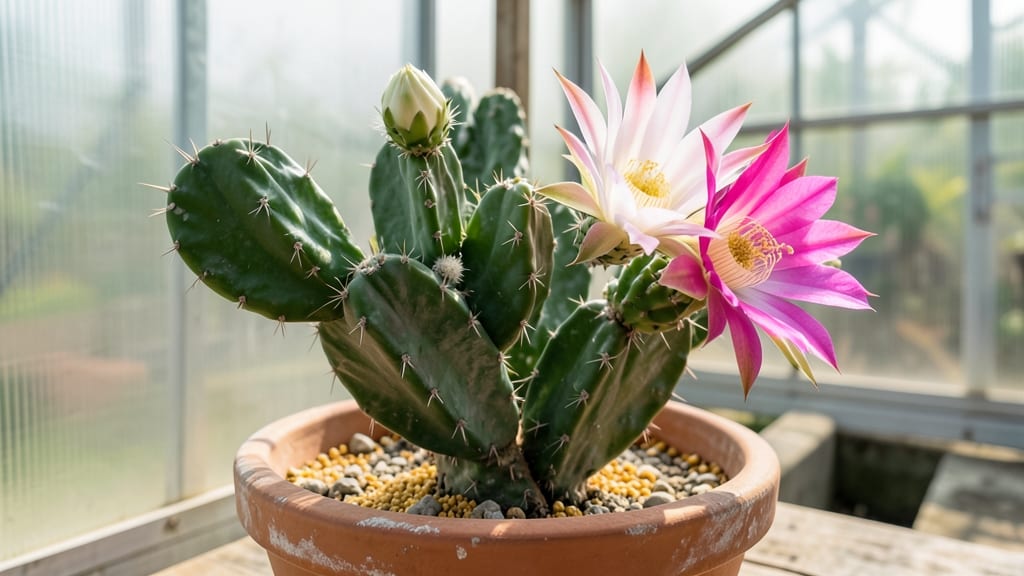
Understanding the dragon fruit flowering stages 🐉 is the key to unlocking a harvest of those vibrant, sweet fruits you’ve been dreaming of.
Picture this: your dragon fruit plant has finally reached maturity, and you’re eager to see those iconic night-blooming flowers—but what do each of those stages actually look like? Miss one, and you might be left with buds that never open or flowers that don’t set fruit.
The good news? With the right knowledge, you can spot each phase like a pro and maximize your chances of pollination success.
From the first tiny bud to the moment the fruit begins to form, each stage has its own timing and care needs. Whether you’re growing in General (Tropical/Subtropical) zones or coaxing blooms in a greenhouse, knowing what to watch for makes all the difference.
Below, I’ll walk you through every phase, so you never miss a beat.
You’ll learn how to identify a healthy bud, recognize when a flower is ready for pollination, and troubleshoot common issues like bud drop or failed fruit set. By the end, you’ll be ready to turn those stunning blooms into a harvest of 18-24 months of sweet rewards.
Dragon fruit flowering stages explained: visual guide to each phase
Understanding the four distinct stages of dragon fruit flowering helps you anticipate blooms and maximize fruit production. Each phase—from bud formation to fruit set—has unique visual cues and timing requirements. I’ll walk you through what to look for at every step, so you can ensure your Hylocereus plant thrives.
Dragon fruit flowers are nocturnal, opening only at night and closing by morning, which makes identifying each stage even more critical. The pollination window is especially time-sensitive, as it determines whether your plant will bear fruit. With the right care, you can encourage longer flowering periods and higher yields.
Here’s a visual breakdown of each stage, including key identifiers, optimal conditions, and timing expectations to help you track progress:
The bud formation stage is your first clue that flowering is imminent. Look for small, green buds emerging from the areoles (the segmented pads) of your dragon fruit vine. These buds will tighten as they prepare to bloom, typically within 3–7 days.
During this phase, ensure your plant receives indirect sunlight and moderate warmth to prevent bud drop.
Once buds open into full bloom, you’ll notice white or pink flowers with a sweet, musky scent that peaks at night. This is when nocturnal pollinators like moths or bats would naturally visit, but in controlled environments, you’ll need to hand-pollinate using a soft paintbrush.
The flowers close by morning, so timing is everything!
The pollination window is the most critical phase for fruit development. After pollination, the stamens turn yellow, signaling success. If you miss this window, the flower will wilt and drop without setting fruit. To maximize success, pollinate within 24 hours of full bloom and avoid watering flowers directly.
Finally, fruit set begins when the pollinated bud swells into an oval shape. The skin will turn green, and you’ll see a slight softening as the fruit develops. This stage takes 2–4 weeks, during which consistent watering and balanced fertilization are key to preventing fruit drop.
Pro tip: Use a grow light to extend daylight hours in cooler months, which can encourage earlier and more frequent flowering. Dragon fruit plants thrive in USDA zones 10–12, but with proper care, you can coax blooms even in greenhouse setups in colder climates.
If your dragon fruit plant skips a stage or drops buds, check for stress factors like overwatering, nutrient deficiencies, or temperature fluctuations. Adjusting care during these phases can make all the difference in your harvest!
How to identify pollination-ready dragon fruit flowers
When your dragon fruit plant produces its stunning white, night-blooming flowers, you’ll need to act fast to ensure pollination success. These flowers only open for one night, making timing critical.
The key to identifying a pollination-ready flower lies in observing its stamen color, flower structure, and subtle changes in petal texture.
Start by examining the stamen’s color shift—healthy, pollination-ready flowers will show bright yellow stamens that contrast sharply with the white petals. This color change signals the flower’s readiness to release pollen.
Additionally, the stamens will curve outward slightly, creating a perfect shape for pollinators (or your paintbrush) to access.
⚠️ ⚠️ WARNING: Common Mistakes That Kill Dragon Fruit Pollination ⚠️ ⚠️
- Ignoring stamen color: Gray or brown stamens mean the flower is dead or sterile—skip pollinating these.
- Pollinating too early: Flowers must fully open at night before you intervene. Daytime flowers won’t pollinate effectively.
- Overlooking bud drop: If buds fall before opening, check for low humidity (below 50%) or temperature swings.
After pollination, watch for the flower wilting pattern. A successfully pollinated flower will wilt and drop within 24-48 hours, leaving behind a tiny green fruit the size of a grape. If the flower stays open or turns brown without wilting, pollination failed—try again with the next bloom.
One of the most exciting signs is the fruit formation. Within 3-5 days of pollination, you’ll spot a round, golf-ball-sized bump where the flower once was. This bump will grow rapidly, turning from green to pink, yellow, or red depending on the variety.
Monitor these fruiting nodes closely—they’re your plant’s way of saying, “Pollination worked!”
If your dragon fruit plant drops buds frequently or flowers fail to set fruit, check for environmental stressors. Dragon fruit flowers are sensitive to temperature drops below 60°F (15°C) and high winds.
Use row covers in chilly climates or move potted plants indoors if nighttime temps dip. Also, ensure your plant receives balanced fertilization—too much nitrogen promotes foliage but stops flowering.
For indoor growers or those in cooler zones, hand-pollination is essential. Use a soft paintbrush or cotton swab to transfer pollen from one flower’s stamens to another’s stigma. Do this between 8 PM and midnight when flowers are fully open.
With patience and attention to these key indicators, you’ll turn those ephemeral blooms into vibrant, sweet dragon fruits. 🌱