
Blooming
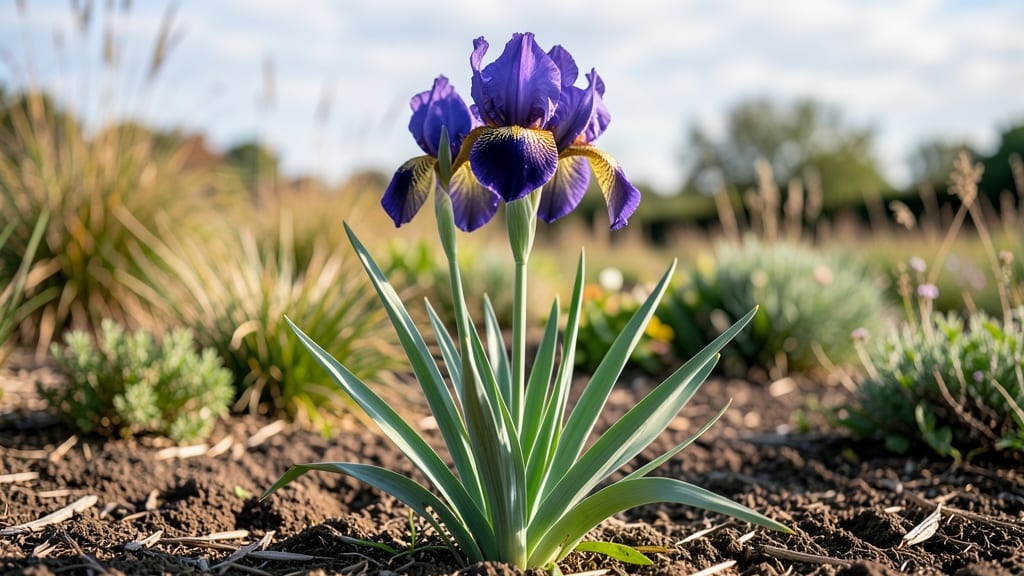
The Dutch iris flowering time is all about timing your garden’s most vibrant show—typically late spring to early summer, when your yard transforms into a rainbow of 🌷 blooms.
If you’ve ever dreamed of a garden bursting with vibrant Dutch iris blooms but wondered when to expect those show-stopping flowers, timing is everything—and it all depends on your USDA zone.
In Zone 6, where these irises thrive, blooms usually peak in May, but cooler northern zones may see them a few weeks later, while warmer southern climates can enjoy earlier displays.
Below, I’ll break down the exact months for your zone, share secrets to extend those stunning blooms, and even suggest companion plants to make your iris display even more eye-catching.
Exact Dutch iris flowering months by USDA zone (with peak bloom dates)
Dutch irises (Iris xiphium) are famous for their bold, vibrant blooms that transform gardens into springtime masterpieces. Unlike their bearded cousins, Dutch irises thrive in cooler climates and bloom earlier—typically in late spring to early summer.
But the exact timing depends heavily on your USDA zone, with variations as wide as 3-4 weeks between regions. Understanding these differences ensures you plant at the right time and enjoy peak bloom periods that align with your local climate.
For gardeners in USDA Zones 3-5, Dutch irises often bloom as early as late April to early May, while those in Zones 6-10 can expect blooms from mid-May through June.
Even within these ranges, early, mid, and late-season varieties exist, allowing you to stretch your iris display from April to July. Whether you're in chilly Minnesota (Zone 4) or sunny California (Zone 9), timing your planting and care around these bloom windows maximizes impact.
Below is a zone-by-zone breakdown of Dutch iris flowering times, including peak bloom dates and regional adjustments. This table helps you plan for optimal planting months (typically August to October) and anticipate when to expect those show-stopping flowers in your garden.
| USDA Zone | Early Varieties Bloom | Peak Bloom Period | Late Varieties Bloom | Planting Month |
|---|---|---|---|---|
| Zones 3-4 | Late April | May 1-15 | Early June | August-September |
| Zones 5-6 | Early May | May 15-June 1 | Mid-June | August-October |
| Zones 7-8 | Mid-May | June 1-15 | Early July | September-October |
| Zones 9-10 | Late May | June 15-July 1 | Mid-July | October-November |
In Zones 3-4, where winters are harsh, Dutch irises often bloom 2-3 weeks earlier than in warmer zones. For example, 'Professor Blaauw' and 'White Queen' varieties typically kick off blooms in late April, giving you a head start on spring color.
These zones also benefit from early planting in August to establish roots before frost sets in.
Gardeners in Zones 5-6—like those in the Midwest or Northeast—can expect a gradual bloom progression from early May through June. This is the ideal zone for Dutch irises, as they thrive in cool springs and warm summers.
Planting in late September ensures rhizomes settle before winter, leading to vibrant blooms the following spring. Popular varieties like 'Blue Flag' and 'Red Baron' shine here.
For Zones 7-8, including the Southeast and parts of the Southwest, Dutch irises bloom later due to warmer winters and extended growing seasons. Mid-May to early July is prime time, with 'Pink Parfait' and 'Purple Dream' varieties often extending blooms into early July.
Plant in September-October to avoid summer heat stress, and choose well-draining soil to prevent rot in humid climates.
In Zones 9-10, such as Southern California or Arizona, Dutch irises may bloom as late as June or July, aligning with cooler fall and winter months. Varieties like 'Blue Magic' and 'Yellow Cheer' thrive here but require shade protection in peak summer to prevent wilting.
Plant in October-November to take advantage of mild winter rains and avoid summer drought.
Regional microclimates can shift bloom times by 1-2 weeks. For instance, coastal areas in Zone 7 (like Oregon) may see blooms 2 weeks earlier than inland regions due to cooler ocean breezes.
Similarly, high-elevation gardens in Zone 5 (like Colorado) might align more closely with Zone 4 bloom times. Always observe local last frost dates and adjust planting accordingly.
To extend your Dutch iris display, mix early, mid, and late-season varieties in the same bed. For example, pair 'Early Sensation' (early bloomer) with 'Blue Ribbon' (mid-season) and 'White Perfection' (late bloomer) to create a continuous bloom from May to July.
This strategy also attracts pollinators like bees and butterflies for a longer duration.
Pro tip: Deadhead spent blooms immediately to redirect energy to rhizome growth and encourage a second flush of flowers in late summer.
How to extend Dutch iris bloom time: pro tips for longer-flowering seasons
Dutch irises are famous for their vibrant blooms, but did you know you can extend their flowering season with the right care? By focusing on soil health, watering consistency, and proper pruning, you can transform your garden into a continuous iris paradise.
The key is understanding what these plants truly need to thrive—and when to intervene.
Many gardeners assume Dutch irises bloom for just a few weeks, but with strategic techniques, you can coax them into flowering for 6-8 weeks instead of the typical 3-4 weeks. The secret lies in mimicking their natural growing conditions while avoiding common pitfalls like overwatering or nutrient overload.
🌷 5 Pro Tips to Extend Dutch Iris Bloom Time
- 🌱 1. Optimize Soil Drainage – Amend heavy clay soil with sand or grit to prevent rot and encourage deeper roots, which support longer blooming.
- 💧 2. Water Deeply but Infrequently – Soak the soil once a week (or bi-weekly in summer) to promote root growth without suffocating the rhizomes.
- ✂️ 3. Deadhead Strategically – Remove spent blooms every 2-3 days to redirect energy to new flower production, but leave foliage until it yellows.
- ☀️ 4. Ensure Full Sun Exposure – Dutch irises need 6+ hours of direct sunlight daily; even partial shade can shorten bloom time.
- 🌿 5. Plant Near Companion Flowers – Pair with alliums or daylilies to attract pollinators and extend the visual display naturally.
One of the biggest mistakes I see is over-fertilizing Dutch irises. While they do need nutrients, too much nitrogen-rich fertilizer can lead to lush foliage but fewer blooms.
Instead, use a balanced 5-10-10 fertilizer in early spring and avoid feeding after mid-summer. This ensures energy goes toward flower production rather than leaf growth.
Another game-changer is mulching lightly around the base of your irises. A 1-inch layer of organic mulch (like straw or pine needles) helps retain moisture while preventing soil compaction.
However, avoid piling mulch directly against the rhizomes, as this can cause rot. Keep it 2 inches away from the plant base for best results.
For gardeners in warmer climates (Zones 8-10), extending bloom time means protecting your irises from heat stress. Provide afternoon shade during peak summer months and increase watering frequency to every 5-7 days.
In cooler zones (Zones 3-6), focus on spring fertilization and early planting to give roots time to establish before winter.
With these techniques, your Dutch irises won’t just bloom—they’ll thrive longer and put on a show that lasts. Start with just one tip this season, and watch your garden transform into a continuous iris extravaganza! 🌷