
Propagation
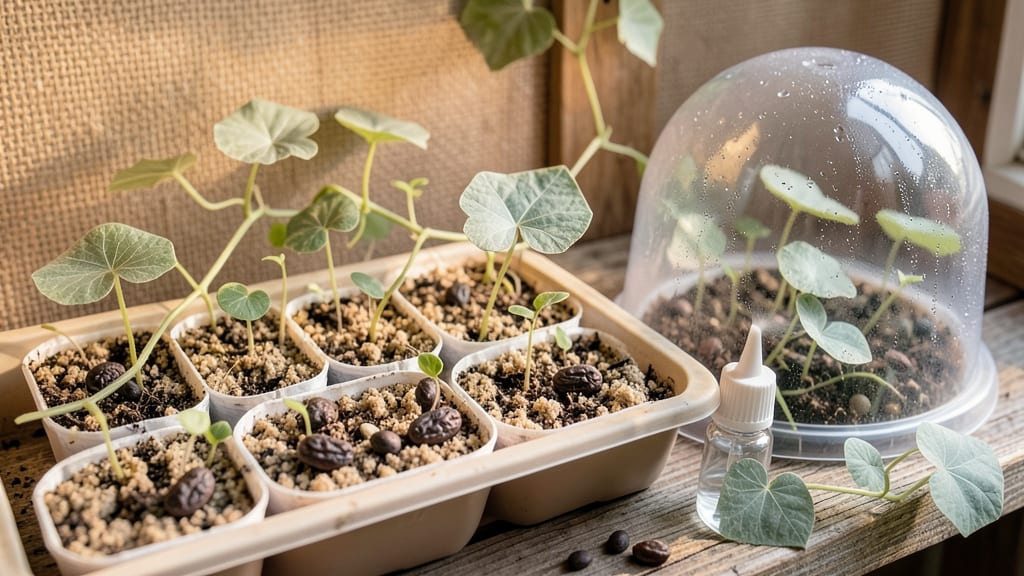
Germinating moonflower seeds unlocks a garden that glows under the night sky 🌙 with fragrant white blooms—but only if you nail the timing and conditions.
Picture this: you’ve waited all spring, the soil is finally warm, and you’re ready to plant those delicate seeds. But after weeks of patience, nothing happens. The problem? Moonflowers (Ipomoea alba) demand a precise balance of warmth, moisture, and light to break dormancy—and most gardeners miss the mark.
Too cold, and they’ll sit dormant; too wet, and they’ll rot before sprouting.
Here’s the secret: these seeds thrive in soil that stays consistently moist but never soggy, with temperatures hovering between 70–80°F. A simple heat mat or clear plastic dome can double your success rate, while indirect light keeps seedlings from stretching weak and leggy.
Below, I’ll walk you through every step—from soaking to transplanting—so your moonflowers emerge strong and ready to climb.
You’ll learn how to troubleshoot slow germination, recognize the signs of healthy sprouts (and what to do if they’re not cooperating), and keep your seedlings thriving until they’re ready to take over your trellis by summer. Let’s get those seeds sprouting!
Moonflower seed germination requirements: the perfect balance of warmth and moisture
Moonflower seeds (Ipomoea alba) are finicky about their germination conditions, but mastering the perfect balance of warmth, moisture, and light unlocks their magical growth potential. These tropical vines need precise care to break their natural seed dormancy—a built-in survival mechanism that delays sprouting until conditions are ideal.
Without the right triggers, your seeds may simply refuse to wake up, leaving you staring at empty soil.
Think of moonflower seeds like delicate snowflakes—they require gentle warmth (not scorching heat) and consistent moisture (but never soggy soil). Too cold, and they’ll sulk; too wet, and they’ll rot before sprouting.
The key is mimicking their native tropical climate where they thrive in humid, warm conditions with partial shade from taller vegetation. Let’s dive into the exact requirements to turn your seeds into thriving vines.
🌱 Pro Tip: Moonflower seeds often germinate faster when pre-soaked for 12-24 hours. This mimics natural rainfall and helps break dormancy. Use room-temperature water and change it every 8 hours to prevent mold.
Temperature is the most critical factor for moonflower seed germination. These tropical natives evolved in warm climates where soil temperatures rarely dip below 60°F. If your seeds are planted in cooler soil (common in early spring), germination can stall for weeks—or never happen.
Use a seedling heat mat set to 70-75°F to create the perfect environment. Even a simple DIY solution like placing your seed tray on top of your fridge (which emits gentle warmth) can work wonders.
Moisture is equally delicate. Moonflower seeds need consistent dampness to stay hydrated, but they’ll rot if submerged in water. Think of it like a sponge: the soil should feel moist to the touch, but not dripping wet.
A spray bottle is your best friend here—mist the soil lightly every 2-3 days to maintain humidity without overwatering. For extra humidity, cover the tray with clear plastic wrap (remove it once sprouts appear to prevent mold).
Light exposure might surprise you: moonflower seeds prefer indirect light or even darkness during germination. Direct sunlight can overheat the soil and dry out seeds too quickly. Place your seed tray in a shady spot (like under a shelf or in a closet with a small window) until sprouts emerge.
Once seedlings appear, move them to bright, indirect light for 2-3 weeks before introducing them to full sun.
Botanists explain that moonflower seeds have a natural dormancy period triggered by environmental cues. In the wild, they wait for the perfect balance of warmth and moisture before breaking dormancy—just like they’re waiting for the monsoon season.
By replicating these conditions, you’re essentially tricking the seeds into thinking summer has arrived, even if it’s still spring outside.
One common mistake gardeners make is overwatering in an attempt to speed up germination. Moonflower seeds are not tropical water plants—they need moisture, but their roots require oxygen to grow. If you notice mold or a foul smell, your soil is too wet.
Let the top inch dry out slightly between waterings, and always use containers with drainage holes to prevent waterlogging.
For best results, aim for a humidity level of 60-70% around your seeds. You can boost humidity by placing a tray of water near your seedling setup or using a humidity dome.
This mimics the tropical forest conditions where moonflowers thrive. Once your seedlings have 2-3 true leaves, they’ll be ready to handle slightly drier air and can transition to outdoor conditions.
🌿 Key Takeaway: Moonflower seeds need warmth (60-75°F), consistent moisture (not soggy), and indirect light to break dormancy. Think of it as creating a mini tropical microclimate—just like their natural habitat!
Step-by-step moonflower germination process: from seed to sprout in 7-14 days
Moonflower seeds (Ipomoea alba) are notorious for their slow start, but with the right approach, you can coax them into sprouts in just 7-14 days. The key lies in mimicking their natural tropical environment—warmth, humidity, and gentle moisture.
Unlike many garden seeds, moonflowers hate being buried too deep, so we’ll keep them shallow and snug. Let’s break this down into simple, foolproof steps to ensure your seeds don’t give up the ghost before they even begin.
Before you dive in, gather your supplies: peat pots or seed trays, a seed-starting mix (or coconut coir for moisture retention), a spray bottle, and a clear plastic dome or humidity tent.
Moonflowers thrive in warmth (70-80°F), so if your home runs cooler, a heat mat will become your best friend. Pro tip: Pre-warm your soil mix for 24 hours before planting to jumpstart germination. This small step can cut your wait time by nearly half!
Germinating Moonflower Seeds: Your 7-Day Action Plan
-
Step 1: Soak Seeds Overnight
Place seeds in a warm, damp paper towel and fold the towel to keep them snug. Let them soak for 8-12 hours—this softens the hard outer shell and kickstarts hydration. Do NOT let them dry out during this time.
-
Step 2: Prep Containers & Soil
Fill peat pots or seed trays with a light, airy mix (50% peat moss, 50% perlite). Avoid garden soil—it’s too dense and can cause rot. Moisten the mix until damp (like a wrung-out sponge), but never soggy.
-
Step 3: Plant Shallowly
Press each seed 1/4 inch deep into the soil—no deeper! Space them 2 inches apart in trays or plant one per peat pot. Label your containers with the date and "Moonflower" to track progress.
-
Step 4: Create a Humidity Dome
Cover the tray with a clear plastic dome or plastic wrap to trap humidity. Place the container in a warm spot (70-80°F), like on top of a fridge or near a seedling heat mat. This mimics their tropical habitat and speeds up germination.
-
Step 5: Mist Daily (No Overwatering!)
Use a spray bottle to mist the soil every 1-2 days. Keep the soil consistently moist but never waterlogged. Check for condensation inside the dome—if it’s dripping, ventilate for 10 minutes to prevent mold.
-
Step 6: Watch for Sprouts (Days 7-14)
Once sprouts appear, remove the dome immediately to prevent damping-off disease. Place trays under grow lights or bright indirect light (12-14 hours/day). Avoid direct sun—young seedlings can scorch.
-
Step 7: Harden Off & Transplant
After 2-3 weeks, when seedlings have 2-3 true leaves, acclimate them to outdoor conditions over 7-10 days. Transplant after the last frost, spacing plants 3-4 feet apart for their sprawling vines.
If your seeds take longer than 2 weeks to sprout, don’t panic—moonflowers are slow starters. The biggest mistakes gardeners make are overwatering (which causes rot) or burying seeds too deep (they need light to germinate).
If you see fuzzy mold on the soil, increase ventilation and reduce moisture. For stubborn seeds, try scarifying (lightly nicking the seed coat) with sandpaper to help water penetrate.
Once your moonflower sprouts emerge, they’ll grow rapidly—expect 1-2 inches per week in ideal conditions. Provide a trellis or sturdy fence early, as these vines can climb 10-15 feet and need support.
With patience and the right care, you’ll soon be rewarded with glowing white blooms that light up your garden under the moonlight.