
Flowers
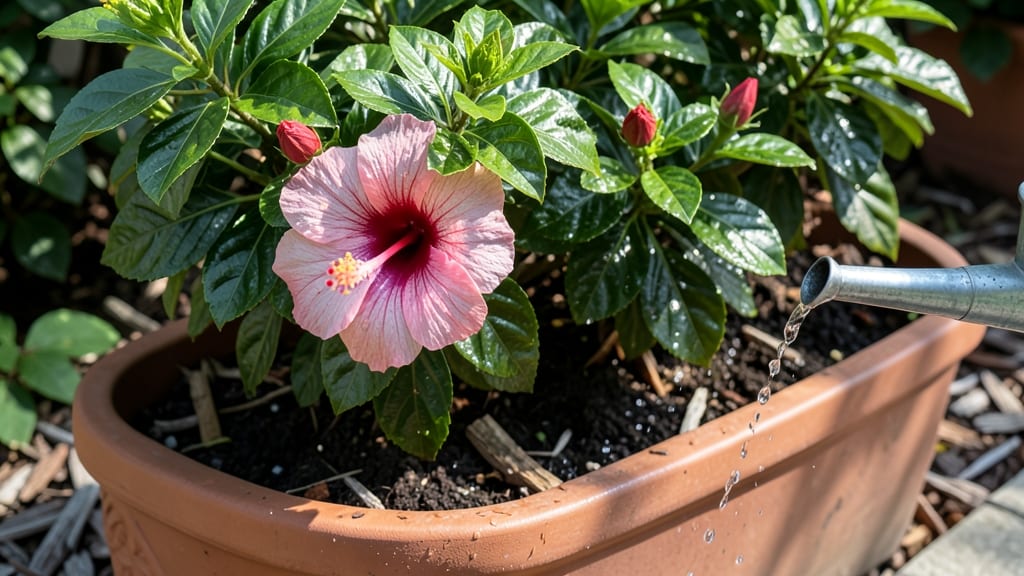
Watering hibiscus flowers the right way is the secret weapon for nonstop blooms 🌸—and most gardeners are doing it wrong, whether they’re drowning the roots or letting them dry out.
If your hibiscus is throwing out leaves but refusing to flower, the issue likely isn’t sunlight—it’s how you’re feeding the soil. Too much water stresses the plant, while too little stunts growth, and neither helps those show-stopping blooms.
Here’s the game-changer: a consistent moisture system that mimics natural rainfall, paired with soil tricks that keep roots happy year-round. Whether you’re growing in containers or garden beds, I’ll break down the exact schedule, techniques, and signs to watch for.
By the end, you’ll know when to water, how much to give, and how to adjust for heatwaves or winter dormancy—so your hibiscus stays lush, healthy, and bursting with color from June to September.
Hibiscus watering schedule: when & how often to water for maximum blooms
Your hibiscus plants crave consistency when it comes to water—too much or too little, and those stunning blooms vanish faster than a summer breeze. The key is understanding how seasonal changes and climate zones impact your watering routine.
In hot, arid regions, hibiscus roots dry out quickly, while humid climates demand extra caution to avoid fungal issues. Let’s break down the perfect schedule to keep your hibiscus thriving year-round.
First, recognize that hibiscus are thirsty drinkers but hate soggy feet. They prefer deep, infrequent watering that encourages strong root growth rather than shallow, frequent sips. The morning hours (before 10 AM) are ideal because water penetrates the soil fully before the day’s heat evaporates it.
Evening watering? Skip it—unless you’re in a dry, desert climate, where nighttime watering can help retain moisture.
Now, let’s tackle the seasonal watering schedule that’ll have your hibiscus blooming like crazy. Whether you’re in USDA Zone 8 or battling Florida humidity, these guidelines adapt to your local conditions.
Pro tip: Always check soil moisture 1-2 inches deep before watering—if it’s dry, it’s time. If it’s damp, wait one more day.
| Season | Watering Frequency | Climate Adjustments | Signs of Stress |
|---|---|---|---|
| Spring | Every 2-3 days | Arid: Daily; Humid: Every 3 days | Yellow leaves = overwatering; Drooping = underwatering |
| Summer | Daily or every other day | Deep watering; Mulch heavily | Curling leaves = heat stress; No blooms = underwatering |
| Fall | Every 3-4 days | Reduce as temps drop; Humid areas: Less frequent | Slow growth = normal; Brown edges = overwatering |
| Winter | Bi-weekly (every 2 weeks) | Dormant in cold zones; Container plants: Weekly | Wilting = underwatering; Mold = overwatering |
In spring, your hibiscus is waking up from dormancy, so start with every 2-3 days of watering. If you’re in a dry climate like Arizona or Texas, bump this up to daily until roots establish.
Look for bright green leaves and new growth—this means you’re nailing it. Yellowing leaves or wilting? You’re either overwatering or underwatering. Check soil moisture with your finger.
Summer is when hibiscus really drink up water, especially in humid climates like Louisiana or Florida. Water deeply every 1-2 days, aiming for 1-2 gallons per plant. The goal is to saturate the soil 12 inches deep—this encourages roots to grow downward.
If your hibiscus starts drooping by midday, it’s thirsty. Pro move: Use a soaker hose to deliver water slowly and evenly, reducing evaporation.
As fall arrives, hibiscus slow down their growth, so cut back to every 3-4 days. In cooler climates (Zones 7 and below), reduce further to weekly watering once temperatures drop below 50°F (10°C).
Watch for brown leaf edges—this often signals overwatering in fall. If your hibiscus is in a container, it’ll dry out faster than in-ground plants, so check soil moisture daily.
Winter care depends on your climate zone. In mild winters (Zones 9-11), hibiscus may stay active and need weekly watering. But in colder zones (Zones 6-8), hibiscus enter dormancy and only need bi-weekly watering.
Never let the soil dry out completely, but avoid soggy conditions—root rot is a silent killer. If your hibiscus is in a container, move it to a sheltered spot and water sparingly.
Here’s a quick troubleshooting guide for common watering mistakes. If your hibiscus has yellow leaves, it’s likely overwatered—let the soil dry out slightly before watering again. Drooping leaves that don’t perk up after watering?
Your plant is underwatered. No blooms despite proper sunlight? Stress from inconsistent watering is often the culprit. Adjust your schedule and add a balanced fertilizer to encourage flowering.
One final tip: Mulch is your best friend for hibiscus watering. Apply a 2-3 inch layer of mulch around the base (but not touching the stem) to retain moisture and regulate soil temperature. Organic mulch like <
Soil moisture secrets: how deep to water hibiscus & when to stop
Watering hibiscus isn’t just about frequency—it’s about depth and soil science. Most gardeners water the surface, but hibiscus roots need hydration down to 12-18 inches to thrive. This 3-zone method ensures moisture reaches where it matters most, preventing both drought stress and root rot.
Think of it like giving your hibiscus a deep drink instead of a quick sip.
Start by testing your soil’s moisture levels with your finger. Stick your index finger 2 inches deep—if it feels dry, water lightly. Then, check 6 inches down; if dry, it’s time for a deep watering session.
Finally, probe 12-18 inches—this is the critical zone for established roots. Hibiscus in containers need this check every 2-3 days, while in-ground plants may go 3-4 days between deep sessions.
Mulch makes all the difference in moisture retention. Straw mulch breaks down faster, feeding soil microbes, while bark mulch lasts longer but insulates roots better in winter. For hibiscus, I recommend 3 inches of bark mulch around the base—it reduces evaporation by 30% and keeps roots cool.
Just avoid piling mulch against the stem to prevent rot.
Here’s how to water like a pro: Use a soaker hose or drip irrigation to deliver water slowly and deeply. Aim for 1-2 gallons per watering for in-ground hibiscus, or until water runs out the drainage holes for potted plants.
Watering in the early morning (before 10 AM) prevents fungal diseases like powdery mildew, which thrives in damp leaves.
Watch for these tell-tale signs of watering woes: Wilting leaves in the heat? It’s time to water. Curling edges? You’re underwatering. Mushy stems? You’re overdoing it. Adjust based on your climate—humid areas need less frequent watering, while arid zones may require daily checks in summer.
Pro tip: Group hibiscus with other thirsty plants like cannas or impatiens to create a micro-climate that retains moisture longer. And if your hibiscus is container-grown, upgrade to a pot with drainage holes and use well-draining soil mixed with perlite to prevent waterlogging.
With these tricks, your hibiscus will reward you with bold blooms all season.