
Propagation
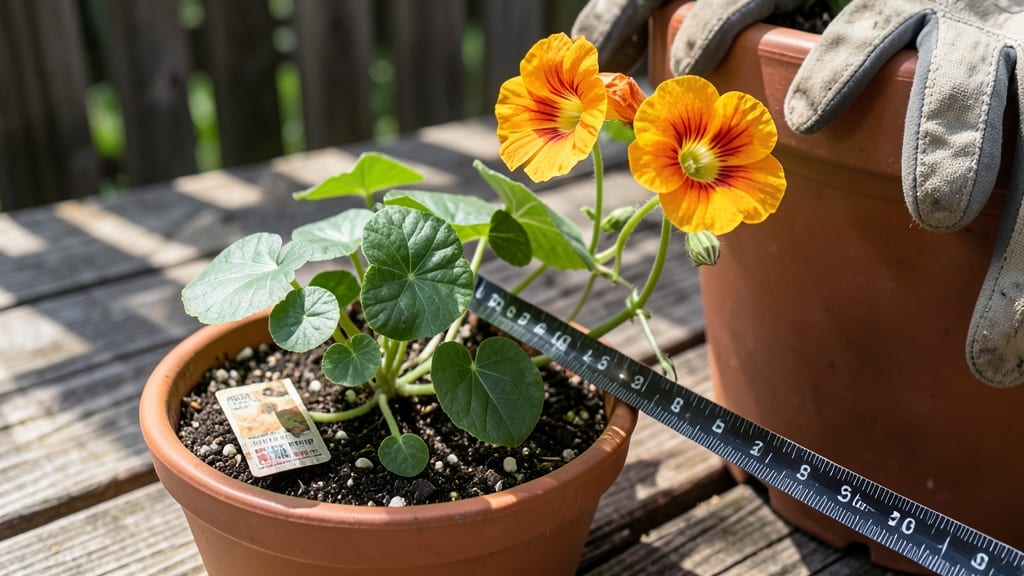
Nasturtiums take between 6 and 12 weeks to flower from seed when given the right conditions, though impatient gardeners can shave weeks off that timeline with a few simple tricks.
Ever stared at a tray of sprouted nasturtium seeds 🌸 and wondered why they’re still just leaves and no blooms? The answer isn’t just time—it’s temperature, sunlight, and a little strategic patience.
In cooler climates like USDA Zone 6a, seeds may take longer to mature, while warmer regions can see flowers in as little as 5 weeks with optimal care. The key is understanding their growth stages and how to accelerate them.
Below, I’ll break down the exact timeline, the factors that slow or speed up blooming, and the 5 proven tricks to get those vibrant flowers faster than you’d expect.

Nasturtium flowering timeline: exact days from seed to bloom
Growing nasturtiums from seed is one of my favorite ways to add vibrant color to the garden, but patience is key—especially if you're eager to see those bright orange, red, or yellow blooms.
On average, nasturtiums take 6 to 12 weeks from seed to their first flowers, but this timeline can shift based on climate, light exposure, and soil conditions. Understanding each growth stage helps you set realistic expectations and troubleshoot delays.
The journey begins with germination, which typically occurs within 7 to 14 days after sowing, provided your soil stays consistently warm (around 60-70°F). Cool weather can stretch this phase to 3 weeks or more, while warm, sunny conditions may speed it up.
Once sprouted, seedlings enter a leafy growth phase that lasts 3 to 4 weeks before buds even appear.
Here’s the breakdown of what to expect at each stage, including how to optimize conditions for faster blooms:
In warm climates (Zones 8–10), nasturtiums often bloom in as few as 6 weeks from seed, especially if sown in spring or early summer. The key is maintaining consistent warmth and sunlight.
I’ve seen Tropaeolum majus varieties like 'Alaska' or 'Empress of India' produce flowers in just 45 days when grown in full sun and 70°F+ soil.
Conversely, in cooler zones (Zones 3–6), expect a longer timeline—sometimes up to 12 weeks or more. Sowing seeds indoors under grow lights 4–6 weeks before the last frost can shave off critical time.
I once grew nasturtiums in Zone 5 by starting seeds in March under LED lights, which pushed first blooms to late May instead of June.
Light exposure is the single biggest factor in accelerating nasturtium blooms. These sun-lovers thrive with 6+ hours of direct sunlight daily. In my garden, I’ve noticed that south-facing beds produce flowers 2–3 weeks earlier than shaded spots.
If your garden lacks full sun, consider growing nasturtiums in containers near a sunny window or patio—they’re incredibly adaptable.
Another pro tip: Pinch back the tips of young plants when they reach 4–6 inches tall. This encourages bushier growth and more flower buds. I’ve found that pruning once in early June and again in mid-July keeps my nasturtiums flowering nonstop until frost.
Just avoid heavy pruning in late summer, as it can delay fall blooms.
Finally, soil temperature matters. Nasturtium seeds germinate best in soil that’s at least 60°F. If your spring soil is still chilly, try warming it with black plastic mulch or sowing seeds in biodegradable pots buried in the ground for faster root establishment.
In my experience, this cuts germination time by nearly half in cool climates.
With the right conditions, you can enjoy nasturtium blooms in as little as 6 weeks—or stretch the season for continuous color until frost. The secret? Sunlight, warmth, and a little patience go a long way in coaxing
5 Proven tricks to make nasturtiums flower faster
Nasturtiums are fast growers, but their blooming timeline can still feel slow if you're eager to see those vibrant orange, red, or yellow flowers. The secret to speeding up the process lies in understanding their growth triggers and giving them the right conditions.
With just a few simple adjustments, you can coax your nasturtiums into flowering 2-3 weeks earlier than average.
Most gardeners wait 6-12 weeks from seed to first bloom, but with these proven tricks, you can cut that time significantly. The key is to mimic their natural preferences—like warm soil temperatures and full sun exposure
Let’s dive into the five most effective methods to get your nasturtiums blooming faster. Starting your nasturtium seeds indoors 2-3 weeks before the last frost date gives them a head start. Use seed-starting trays with well-draining soil and keep them in a warm spot (around 70°F). Once seedlings have 2-3 true leaves, they’re ready to transplant outdoors. This method can shave 10-14 days off your flowering timeline. Nasturtiums thrive in full sun (6+ hours daily), but their location matters. Place them in the sunniest spot in your garden, like near a south-facing fence or wall. If you’re growing in containers, position them where they’ll get uninterrupted sunlight from morning to afternoon. Even an extra 1-2 hours of sun can trigger earlier blooms. Soil temperature plays a huge role in germination and growth speed. Nasturtium seeds germinate best in soil that’s at least 60°F. To warm the soil faster, use black plastic mulch or plant in raised beds. You can also group seeds together to create a micro-warmth zone that speeds up sprouting. Warmer soil = faster growth = earlier flowers! Plant nasturtiums near heat-loving companions like marigolds, basil, or tomatoes. These plants naturally warm the soil and create a microclimate that encourages faster growth. Additionally, nasturtiums act as traps for pests like aphids, protecting other plants while you get a double benefit of faster blooms and healthier neighbors. Finally, strategic pruning encourages bushier growth and more flowers. Once your nasturtiums reach 6-8 inches tall, pinch off the tips of the main stems. This triggers the plant to produce side shoots, which will bloom faster. Regularly deadhead spent flowers to redirect energy into new blooms—this keeps your plants flowering continuously all season. 🌸