
Flowers
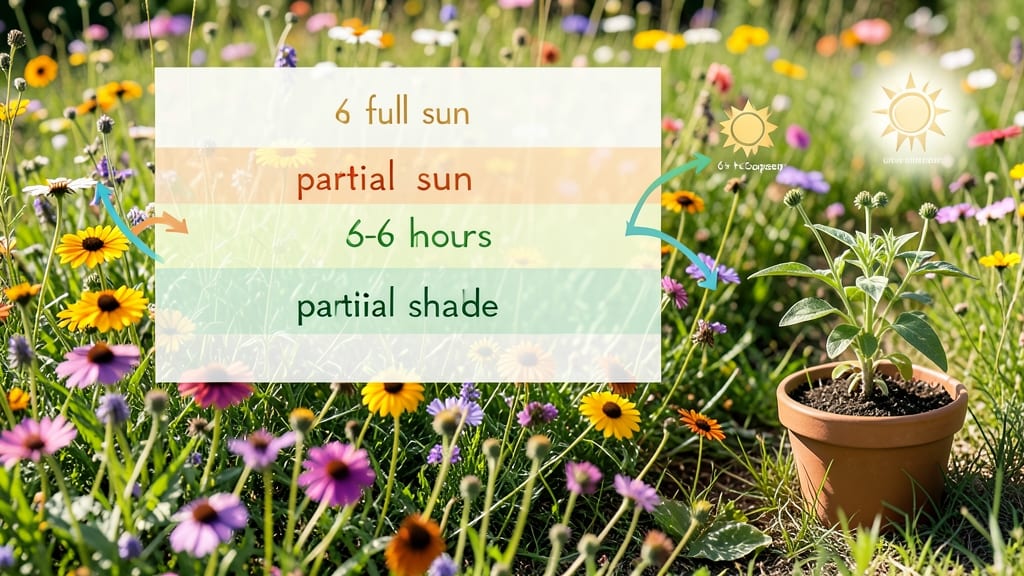
Wildflowers need at least 4 to 6 hours of sunlight daily to thrive, but the exact amount depends on the variety—some flourish in full sun, while others struggle without shade.
Struggling to keep your wildflowers thriving? Sunlight exposure is the #1 factor determining whether your blooms will flourish or fade—yet most gardeners get it wrong. Whether you're planting sun-loving coneflowers or delicate shade-tolerant violets, understanding their light needs is the key to a vibrant meadow.
Too much sun can scorch delicate petals, while too little leaves wildflowers leggy and sparse. The good news? With the right mix of species, you can create a low-maintenance garden that adapts to your yard’s light conditions—whether it’s a bright border or a dappled woodland edge.
In this guide, I’ll break down the sunlight needs of popular wildflowers, show you how to assess your garden’s light, and share pro tips for maximizing blooms—no guesswork required.

Wildflower sunlight requirements by type: full sun vs partial shade needs
Sunlight is the lifeblood of wildflowers, but not all varieties thrive under the same conditions. Full sun lovers like sunflowers and black-eyed Susans demand 6+ hours of direct light, while shade-tolerant types such as columbine or trillium can struggle in harsh afternoon rays.
Understanding these differences ensures your wildflower meadow blooms abundantly rather than wilts under the wrong conditions.
Most wildflowers fall into three broad categories: full sun, partial shade, or shade-tolerant. The key difference lies in how they handle intensity and duration of sunlight.
For example, coneflowers and blanket flowers thrive in full sun but may produce fewer blooms in partial shade, while foxglove and bleeding heart prefer dappled light to avoid scorching.
Here’s how to match your garden’s sunlight to the right wildflowers, ensuring vibrant blooms and healthy growth from spring through fall.
For full sun lovers like sunflowers and black-eyed Susans, aim for south-facing beds where they receive unfiltered light from mid-morning to late afternoon. These varieties not only bloom more prolifically but also develop darker, richer colors and stronger stems.
In hot climates, however, afternoon shade can prevent wilting, especially for delicate blooms like cosmos.
Wild
How to assess your garden’s sunlight and choose wildflowers accordingly
Before selecting wildflowers, you must understand your garden’s unique sunlight patterns. What looks like full sun at noon may become dappled shade by afternoon, thanks to nearby trees or structures.
I’ve learned the hard way—planting sun-loving black-eyed Susans in my morning-only sun spot led to leggy, weak stems and sparse blooms. The key is observing sunlight behavior throughout the day and across seasons.
Start by mapping your garden’s sun exposure for at least three consecutive days. Use a simple method: place a white board or piece of cardboard in different areas and mark the sun’s path with a pencil every hour.
This reveals how sunlight shifts, especially during morning vs. afternoon hours. My garden’s west-facing slope gets intense afternoon sun, while the east side stays cooler and brighter in the morning—critical details for choosing the right wildflower mixes.
- 🌻 Full Sun (6+ hours/day): Sunflowers, coneflowers, black-eyed Susans, blanket flowers. Thrive in open, south-facing areas with no shade.
- ☀️ Partial Sun (3-6 hours/day): Bee balm, coreopsis, Russian sage. Ideal for east or west exposures with afternoon shade.
- 🌳 Partial Shade (2-3 hours/day): Columbine, foxglove, wild geranium. Perfect for wooded edges or north-facing spots.
- 🌑 Full Shade (<2 hours/day): Bleeding heart, lungwort, wild violets. Rare for wildflowers but works in deep shade gardens.
Don’t forget about microclimates—small areas with unique conditions. My backyard’s brick wall creates a microclimate that stays warmer and drier, perfect for drought-tolerant lupine or yarrow. Meanwhile, the shady corner under my oak tree hosts wild columbine, which thrives in the filtered light.
Layering plant heights also helps: taller sunflowers cast shade for shorter salvias at their base, creating a self-regulating ecosystem.
Seasonal changes complicate things further. What’s full sun in summer may become partial shade in winter when deciduous trees leaf out. I adjust by planting perennial wildflowers that handle these shifts—like asters—while avoiding finicky annuals that bolt in heat.
For my partial shade garden, I mix shade-tolerant wild ginger with goldenrod, which handles brief sun patches.
Pro tip: Use native wildflowers adapted to your region’s sunlight. They’ve evolved to handle local conditions, so they’re far more resilient than exotic varieties. My local purple coneflower thrives in my 6 hours of morning sun but would struggle in a hot, west-facing bed.
Always check seed packets for light requirements—they’re your best guide to success.
Finally, test your soil’s moisture retention. Wildflowers in full sun need well-draining soil to prevent root rot, while shade-loving varieties tolerate moister conditions. Amend heavy clay with compost to improve drainage, and mulch with straw to retain moisture in hot, sunny spots.
With these adjustments, your wildflower garden will bloom beautifully—no guesswork required! 🌼