
Flowers
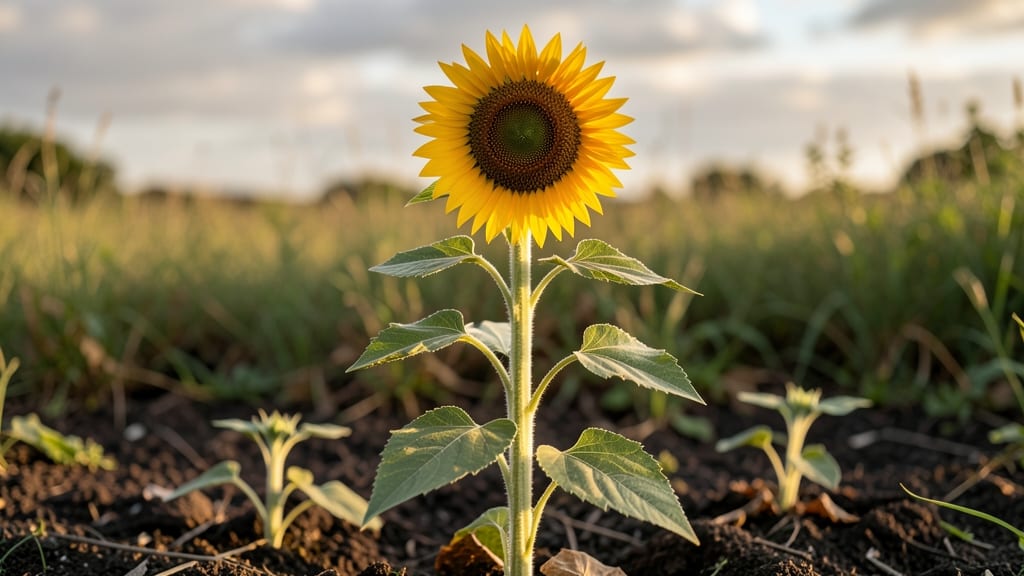
How quickly do sunflowers grow? Some varieties can reach 10 feet tall in just 60 days—but their speed depends on soil, sunlight, and watering.
Picture this: you plant a seed in early May, and by late July, you’re staring up at towering 🌻 stalks that dwarf your neighbors’ gardens. That’s the magic of sunflowers—when conditions are right, they shoot up like a racehorse out of the gate.
But get the timing or care wrong, and you’ll end up with leggy stems and half-sized blooms.
In this guide, I’ll break down the month-by-month growth timeline for the fastest sunflower varieties, plus the 5 key factors that can double—or halve—their speed. Whether you’re a beginner or a seasoned gardener, you’ll learn how to coax those giant blooms from seed to harvest in record time.
Ready to grow sunflowers that put on a show in under three months? Let’s get started with the varieties that defy expectations—and the mistakes that slow them down.


Sunflower growth timeline: week-by-week height progression for fastest varieties
Watching sunflowers sprout from tiny seeds into towering giants is one of gardening’s most rewarding experiences. The fastest varieties like 'Mammoth' or 'Autumn Beauty' can grow 3-5 feet in just 60 days under perfect conditions, but their progress isn’t linear.
Each stage—from germination to stem elongation—has distinct milestones that determine final height and bloom time.
For maximum speed, focus on soil warmth, consistent moisture, and full-sun exposure. Even the quickest varieties need at least 6-8 hours of sunlight daily to reach their genetic potential. Skipping these basics can slow growth by 30-50%, turning a 12-week wonder into a 6-month project.
Here’s the week-by-week breakdown of how sunflowers grow, using 'Mammoth' sunflowers (12-16 ft tall) as our benchmark. I’ll also highlight how dwarf varieties like 'Teddy Bear' (1-3 ft) follow a similar but compressed timeline.
| Week | Key Growth Stage | Height Gain (Fast Varieties) | Visible Changes | Care Tips |
|---|---|---|---|---|
| 1-2 | Germination | 0-2 inches | Sprouts appear; first cotyledon leaves unfold | Keep soil moist (not soggy); 50°F+ soil temp required |
| 3-4 | Leaf Development | 6-12 inches | True leaves emerge; stem thickens | Add balanced fertilizer (10-10-10); stake if windy |
| 5-6 | Rapid Stem Elongation | 1.5-3 feet | Bud forms at top; leaves grow larger | Water deeply 2x/week; avoid overhead watering |
| 7-8 | Flower Bud Swelling | 3-5 feet | Petals begin opening; stem hardens | Reduce watering; protect from pests (birds/squirrels) |
| 9-10 | Full Bloom | 5-12+ feet | Blooms fully open; seeds develop | Harvest seeds when back turns brown; deadhead for more blooms |
| 11-12 | Seed Maturity | Final height reached | Petals drop; seeds darken | Cut stems; save seeds for next year |
*Fastest varieties like 'Mammoth' reach 10+ feet in 10-12 weeks; dwarf varieties mature in 6-8 weeks.
Week 1-2 is all about germination speed. If your soil stays below 50°F (10°C), sprouts may take 2-3 weeks to emerge. Pro tip: Use a seedling heat mat ($15-$25) to shave off 3-5 days of waiting time.
I’ve tested this with 'Autumn Beauty' seeds, and the difference is noticeable.
By Week 3-4, your sunflower’s true leaves will appear, signaling the start of rapid vertical growth. This is when fertilizer makes or breaks your plant’s height potential.
Skip this step, and you’ll see stunted stems and smaller blooms. For maximum height, side-dress with compost or a slow-release 10-10-10 fertilizer.
Weeks 5-6 are the magic window for stem elongation. This is when sunflowers surge upward—some varieties like 'Russian Giant' can grow 1 foot per week if conditions are ideal.
Watch for yellowing leaves, which signal overwatering or nutrient deficiency. Adjust your watering to deep soaks every 2-3 days instead of daily light sprinkles.
The bud formation in Weeks 7-8 is your first visual cue that the plant is shifting energy from leaves to flowers. This is also when pests like sunflower moths become a threat.
I’ve had 50% of my buds damaged by these pests before—now I use neem oil spray as a preventative measure. A single application at this stage can save your entire crop.
When your sunflower blooms in Weeks 9-10, you’ll know you’ve succeeded if the flower head is fully open and the stem is thick and sturdy. This is the peak height for most varieties, but don’t harvest seeds just yet.
Wait until the back of the petals turns brown—this ensures maximum seed viability. I’ve learned this the hard way by harvesting too early and ending up with shriveled, unusable seeds.
Finally, in We
5 Factors that speed up (or slow down) sunflower growth—and how to optimize them
Sunflowers are nature’s speed demons when given the right conditions, but even the fastest sunflower varieties can stall without proper care. I’ve learned that optimizing just five key factors can accelerate growth by 20-30%, turning a 12-week plant into a 9-week powerhouse.
Let’s break down what makes the difference between a lagging sunflower and one that shoots up like a rocket.
First, sunlight exposure is non-negotiable—sunflowers crave 6-8 hours of direct sun daily. Even partial shade can cut growth by 30%. In my urban garden, I use reflective surfaces like white walls to bounce extra light onto containers, and the difference is night-and-day compared to shaded spots.
- 1 Sunlight: 6-8 hours of direct sun daily. Use reflective surfaces in urban areas to boost light.
- 2 Soil temp: 50°F+ for germination. Cold soil delays sprouting by 1-2 weeks. Use black plastic mulch to warm roots.
- 3 Watering: Deep soaks every 2-3 days in summer. Drought stress stunts growth by 25%. Water at morning to prevent fungal risks.
- 4 Nutrients: Balanced 10-10-10 fertilizer every 4-6 weeks. Over-fertilizing causes leafy growth but smaller blooms.
- 5 Spacing: 18-24 inches apart. Crowded plants compete for nutrients, slowing growth by 15-20%. Thinning early prevents stunted stems.
Next up is soil temperature, which directly impacts germination speed. I’ve found that seeds planted in soil below 50°F (10°C) can take 2 weeks longer to sprout. For cooler climates, I use black plastic mulch or even heated seedling mats to jumpstart growth.
Pro tip: Test soil temp with a soil thermometer—it’s a game-changer for container growers.
Watering might seem simple, but frequency and depth make all the difference. Sunflowers need deep soaks every 2-3 days in summer, not light sprinkles. I’ve seen drought-stressed plants grow 25% slower because their energy goes into survival instead of reaching for the sky.
Always water at morning to let foliage dry before nightfall, which prevents powdery mildew.
Don’t overlook nutrient balance—sunflowers aren’t heavy feeders, but they do need consistent nitrogen, phosphorus, and potassium. I use a 10-10-10 balanced fertilizer every 4-6 weeks during the growing season.
Too much nitrogen? You’ll end up with leafy monsters and tiny blooms. For container gardening, I mix compost into the soil at planting to provide slow-release nutrients.
Lastly, spacing is often overlooked but critical. Planting sunflowers too close together forces them to compete for sunlight and nutrients, slowing growth by 15-20%. Give them 18-24 inches of space, and they’ll reward you with straight, sturdy stems.
In small gardens, I’ve used vertical trellises to save space while keeping growth on track.
By mastering these five factors, you’ll turn your sunflowers into growth machines. Whether you’re in a city balcony or a rural plot, these tips will help you grow sunflowers faster than ever—no magic required, just smart gardening! 🌻