
Flowers
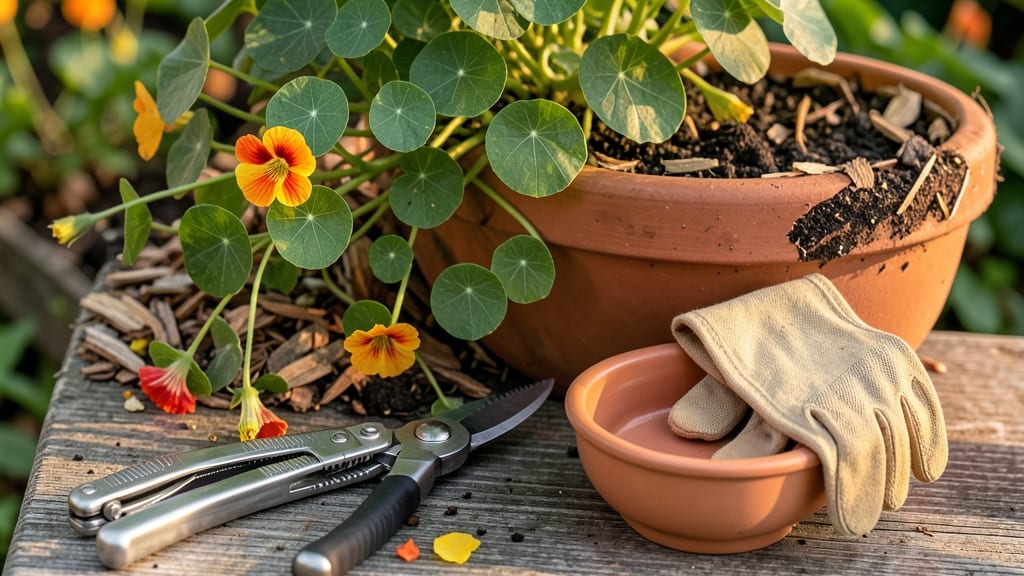
To harvest nasturtium flowers at their peak, wait until they’re fully open but before they wilt—this ensures the best flavor and color 🌸 for cooking or propagation.
Did you know these edible blooms aren’t just stunning—they pack a peppery kick perfect for salads, garnishes, or homemade vinegars? The key is timing: pick them in the morning when petals are crisp and vibrant, not yet fading.
Harvesting too early or too late ruins the taste, and overdoing it can stunt your plant’s growth. I’ll walk you through the exact steps to get the most from your nasturtiums—whether you’re saving seeds or snipping flowers for the kitchen.
You’ll also learn how to encourage regrowth, avoid common mistakes, and even turn your harvest into delicious recipes. Let’s make the most of your garden’s edible treasures!


When and how to harvest nasturtium flowers for culinary use
Harvesting nasturtium flowers at the perfect moment ensures they’re bursting with flavor and color for your kitchen. The key is timing—pick them when they’re fully open but still crisp, typically between 60 and 90 days after planting.
Morning harvests yield the freshest blooms, as evening heat can cause wilting. I always grab my clean pruning shears and snip stems just above a leaf node to encourage more blooms.
Nasturtiums thrive in full sun and well-draining soil, but their flavor peaks when harvested early in the day. Avoid over-picking from a single plant, as this can stress it.
Instead, focus on select blooms to maintain a steady supply throughout the growing season. Their peppery taste makes them ideal for garnishes, salads, or even homemade vinegars.
🌸
| Harvest Stage | Best Time | Signs of Readiness | Culinary Use |
|---|---|---|---|
| Fully Open Blooms | Morning hours | Bright petals, crisp stems | Salads, garnishes, teas |
| Bud Stage | Any time | Tight buds, firm texture | Pickling, vinegars, preserves |
| Seed Pods | Late summer | Dry, papery pods | Propagation, spicy garnish |
| Wilted Flowers | Avoid | Dull petals, limp stems | Discard or compost |
For the best flavor, harvest fully open nasturtium flowers in the morning when their petals are crisp and vibrant. Look for blooms with bright colors and no signs of wilting or browning.
If you’re harvesting for preservation, like making vinegar or pickles, you can also use bud-stage flowers, which pack a stronger peppery kick.
Use clean pruning shears or your fingers to gently twist off stems at the base. Avoid tugging too hard, as this can damage the plant. Place harvested flowers in a paper towel-lined container to absorb moisture and keep them fresh for up to 5 days in the fridge.
For longer storage, dry them between layers of paper towels in a cool, dark place.
One common mistake is harvesting overripe or wilted flowers, which can ruin their flavor and appearance. Another is picking too many blooms from a single plant, which may stunt its growth.
I always leave at least 3-5 blooms per stem to ensure continuous production. Rotate your harvesting spots to keep the plant healthy and productive.
To extend the harvest season, deadhead spent blooms regularly. This encourages the plant to produce more flowers instead of focusing on seed production. Nasturtiums are prolific bloomers, so with proper care, you’ll enjoy a steady supply of edible flowers from late spring through fall.
Just be mindful of pests like aphids, which love nasturtiums too!
If you’re growing nasturtiums for both culinary and ornamental purposes, prioritize harvesting the outer blooms first. This keeps the center of the plant looking full and attractive while still providing you with fresh flowers.
For seed saving, allow a few flowers to mature into seed pods—these are perfect for next year’s garden or adding a spicy crunch to dishes.
🌿
Collecting nasturtium seed pods for propagation: step-by-step guide
Saving nasturtium seeds is one of the easiest ways to propagate these vibrant plants for next year’s garden. The key lies in timing—harvesting the seed pods at just the right moment ensures high-quality seeds that germinate reliably.
These pods form after fully bloomed flowers wilt and drop, so knowing what to look for makes all the difference.
Nasturtium seed pods start as small, green bulbs behind the wilted flowers. As they mature, they swell slightly and develop a slightly woody texture. If left too long, they’ll split open and scatter seeds everywhere, making collection messy.
Harvesting them at 70-80% maturity gives you the best results for storage and germination.
- 1 Identify mature pods: Look for pods that are plump and slightly firm but haven’t yet turned brown or split open. They should be about 1 inch long and greenish-brown in color.
- 2 Harvest carefully: Use clean pruning shears or scissors to snip the pods from the stem, leaving a small stem attachment to help with drying. Avoid crushing or damaging them.
- 3 Dry the pods: Lay them out on a paper towel or mesh screen in a warm, dry, and well-ventilated area for 1-2 weeks. This prevents mold and ensures seeds dry evenly.
- 4 Extract the seeds: Once fully dry, gently crush the pods with your fingers or a mortar and pestle to release the seeds. Remove any debris or chaff for pure seeds.
- 5 Store seeds properly: Place seeds in a paper envelope or airtight container with a silica gel packet to absorb moisture. Label with the harvest date and store in a cool, dark place for up to 3 years.
Proper storage is critical for maintaining germination rates. Nasturtium seeds are surprisingly hardy but can lose viability if exposed to humidity or heat. Always store them in a cool, dry environment, like a seed vault or even your refrigerator’s crisper drawer.
This ensures they’re ready to plant when you’re ready to start your next garden.
When it’s time to plant, nasturtium seeds germinate quickly—often within 5-10 days—if sown in well-draining soil and kept moist. For best results, scatter seeds directly outdoors after the last frost, as they dislike transplanting.
With the right care, your homegrown nasturtiums will reward you with colorful blooms and edible flowers all season long.
Don’t let those seed pods go to waste! Harvesting them at the perfect moment ensures you’ll have a fresh supply of seeds for years to come, saving you money and keeping your garden thriving. Happy seed collecting! 🌱🌿