
Flowers
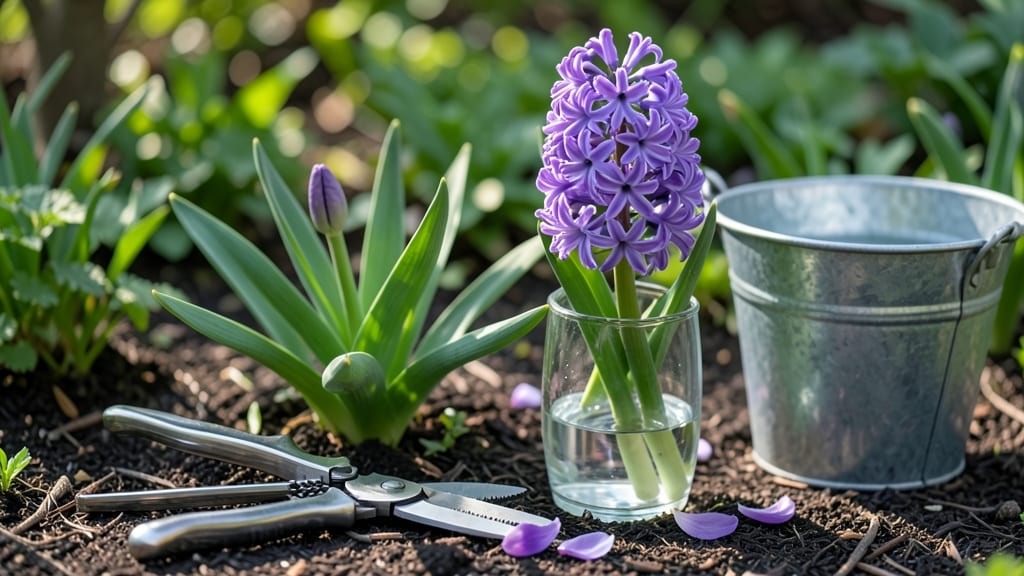
Growing hyacinth cut flowers 🌷 that last beyond a week isn’t just luck—it’s science, timing, and a few clever tricks most gardeners miss.
Picture this: you’ve waited months for those fragrant blooms to emerge, only to watch them droop in three days instead of the two weeks they could have lasted.
The difference between a sad, short-lived bouquet and one that brightens your space for weeks comes down to how you prep the stems, what you put in the water, and where you place the vase.
You’ll learn the exact moment to harvest for peak freshness, the water recipe that keeps stems firm (hint: it’s not just plain water), and how to tweak your home’s environment to outsmart the hidden enemies of vase life—like heat and humidity.
By the end, your hyacinths won’t just be pretty; they’ll be long-lasting, fragrant, and worth the effort. Let’s turn those bulbs into showstoppers.
How to cut and prepare hyacinth flowers for maximum freshness
Hyacinths are some of the most fragrant and vibrant cut flowers you can grow—but their vase life hinges entirely on how you prepare them. Cutting at the right time and angle is just the first step.
I’ve learned that even a 1-degree difference in stem angle can affect water absorption, while removing the wrong leaves can shorten their lifespan by days. Let’s break down the exact techniques I use to keep my hyacinth bouquets fresh for 2-3 weeks instead of just days.
First, timing is everything. Harvest hyacinths when 1-2 buds begin to open—this is the sweet spot for vase life. If you wait until they’re fully open, they’ll only last a few days.
I always check for firm stems and vibrant leaves—any wilting or yellowing means the bulb is stressed and won’t perform well in a vase. The best time to cut is early morning, when the stems are fully hydrated and the air is cool.
Step-by-Step Guide to Cutting Hyacinths
- 1 Choose the right stems: Select stems with 1-2 buds just opening and no yellow leaves. Avoid stems with soft or hollow bases.
- 2 Cut at the perfect angle: Use a sharp, clean pruner and cut stems at a 45-degree angle about 2-3 inches from the base. This increases water absorption surface area.
- 3 Remove lower leaves: Strip off only the bottom 1/3 of leaves to prevent bacterial growth in the water. Leave the upper foliage intact—it helps the stem absorb water.
- 4 Shock treatment (optional but effective): Submerge stems in lukewarm water for 1 hour to open the vascular system. This doubles vase life by reducing stress. Skip this if using commercial flower food.
- 5 Recut stems under water: Before placing in the vase, trim 1 inch off the bottom while holding the stem under water. This prevents air bubbles from blocking water uptake.
- 6 Use the right vase: Choose a clean, narrow-neck vase to minimize water exposure to bacteria. Add 1 tsp sugar + 2 drops bleach per quart of water to slow bacterial growth.
The shock treatment is the most controversial step, but it works—I’ve seen hyacinths last 3 weeks with this method. The warm water helps the stem’s vascular system open wider, allowing it to drink up more water and nutrients.
If you’re skeptical, try it on half your stems and compare the results. Just avoid boiling water, as it can damage the delicate tissue.
Tools matter just as much as technique. Never use dull scissors or shears—they crush stems and reduce water uptake. I always use a sharp pruner or floral knife for clean cuts.
After cutting, rinse stems under cool water to remove sap, which can clog the ends. This simple step can add 2-3 extra days to your bouquet’s life.
One mistake I see often is overcrowding stems in vases. Hyacinths need space to breathe—packing them too tightly traps ethylene gas, which accelerates wilting. I arrange them loosely, with only 2-3 stems per 6-inch vase.
This might seem counterintuitive, but it keeps them fresher longer. For larger arrangements, use multiple smaller vases instead of one big one.
After arranging, place your hyacinths in a cool, bright spot away from direct sunlight. Too much heat or light can cause them to wilt faster. I keep mine on a north-facing windowsill or in a spot with indirect light.
Avoid placing them near fruit bowls or ripening produce, as ethylene gas from fruits speeds up wilting.
Finally, change the water every 2-3 days and recut the stems each time. This prevents bacterial buildup, which is the #1 reason hyacinths wilt prematurely. If you notice the water turning cloudy or smelling funky, it’s time for a refresh.
A little effort here makes a huge difference in how long your flowers stay vibrant.
With these steps, your hyacinth cut flowers will stay fresh, fragrant, and stunning for weeks—not just days. Trust me, the 45-degree cut and shock treatment are worth the extra effort. Now go enjoy that intoxicating hyacinth scent in every room!
Best water solutions and food additives to keep hyacinths blooming
Your hyacinth cut flowers deserve the best care to extend their vase life from days to weeks. The right water solution and additives can make all the difference—science shows that even small tweaks like using distilled water or adding a pinch of sugar can double bloom longevity.
Let’s break down the most effective methods to keep those fragrant 🌷 hyacinths fresh and vibrant.
First, the water type matters more than you think. Tap water often contains chlorine and minerals that can clog stem ends and shorten vase life. Distilled or filtered water is ideal because it’s free of impurities that could harm your flowers.
If you’re using tap water, let it sit out for 24 hours to allow chlorine to dissipate before using it.
Now, let’s talk additives. The classic sugar solution (1 teaspoon per liter of water) provides quick energy to the flowers, helping them stay hydrated and vibrant. But don’t overdo it—too much sugar can promote bacterial growth.
Another popular option is a bleach solution (1 drop per liter), which acts as a natural disinfectant to keep the water clean and stems healthy.
For a DIY alternative, try adding apple cider vinegar (1 teaspoon per liter). It’s a mild acidifier that helps lower the water’s pH, making it easier for the flowers to absorb nutrients. Plus, it’s a natural fungicide, preventing mold and bacteria from forming in the vase.
When it comes to refreshing the water, change it every 2-3 days to prevent bacterial growth. Trim the stem ends by about an inch each time you refresh the water—this helps the flowers absorb water more efficiently.
Avoid overcrowding the vase, as too many stems can compete for water and nutrients, shortening their lifespan.
Pro tip: Keep your hyacinths away from fruit and other ethylene-producing sources, like ripe bananas or apples. Ethylene gas accelerates aging, causing your flowers to wilt faster. Place them in a cool spot (around 65-70°F) away from direct sunlight or heating vents to maximize their vase life.
With these science-backed water solutions and additives, your hyacinth cut flowers will stay fresh and fragrant for up to 3 weeks—or even longer! Experiment with a few options to see which works best for your home environment. Happy arranging! 🌿