
Blooming
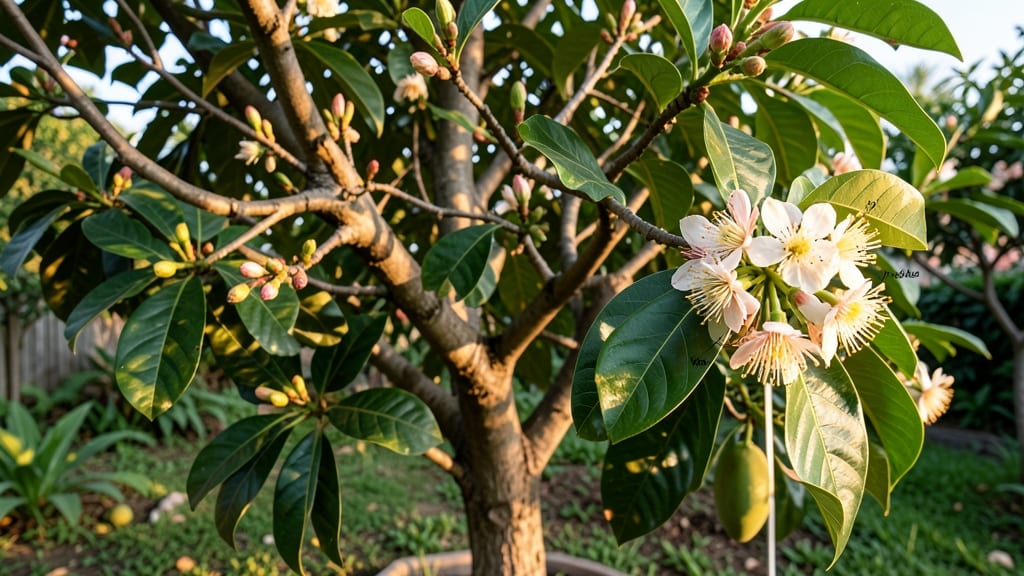
Understanding the mango flowering stages is the key to unlocking a bountiful harvest 🥭 — each phase brings its own challenges and opportunities for gardeners in tropical and subtropical regions.
Did you know mango trees produce two distinct flower types—each with its own growth triggers and harvest outcomes? Understanding these stages is the secret to maximizing your mango yield, whether you're a backyard grower or a commercial farmer.
From delicate bud formation in the winter months to the critical pollination window, timing and environmental factors play a huge role in whether your mango tree will reward you with sweet, ripe fruit.
In this guide, I’ll walk you through every stage, including how to spot the difference between panicle and monsoon blooms and what to do when things go wrong.
You’ll learn how to optimize flowering with simple pruning techniques, the best fertilization schedule for each stage, and how to troubleshoot common problems like flower drop or poor fruit set. Let’s get started!
The 5 critical stages of mango flowering: what to expect each season
Mango trees are fascinating because they produce two distinct flowering patterns: panicle flowering (primary harvest) and monsoon flowering (secondary harvest). Each stage requires specific care to ensure successful fruit set. As someone who's grown mangoes in USDA Zones 10-11, I've learned these stages determine your entire harvest season.
Understanding these stages helps you time pruning, fertilization, and pollination support correctly. For example, panicle flowers appear in late winter to early spring, while monsoon flowers bloom after summer rains. Let's break down what to expect at each critical stage and how to optimize your tree's performance.
The first stage, bud formation, begins when you'll notice tiny green buds forming along your mango tree's branches. This typically happens in late winter (January-February) in tropical climates. During this phase, I recommend reducing watering slightly and applying a potassium-rich fertilizer to support flower development.
Next comes panicle flowering, where your tree produces clusters of bright yellow-white flowers. This is your primary harvest cycle and occurs in early spring (February-March). The flowers are highly fragrant, attracting pollinators like bees and wasps.
If you notice few pollinators, you may need to hand-pollinate using a small brush to transfer pollen between flowers.
During the pollination stage, you'll see flowers dropping their petals and tiny fruits beginning to form. This happens in March-April and is critical for fruit set. I've found that thinning fruits early (keeping only the largest, healthiest ones) prevents overburdening the tree and leads to better-quality mangoes.
Remove any fruits that appear deformed or diseased during this time.
The fruit set stage is when you'll finally see small green mangoes developing on your tree, typically in April-May. This is when your tree needs more water and nitrogen to support fruit growth.
I recommend increasing irrigation and applying a balanced fertilizer with higher nitrogen content to encourage healthy development.
Finally, your mango tree may produce a secondary flowering after summer rains, known as monsoon flowering. These flowers are smaller and produce less fruitful mangoes, but they can still contribute to your harvest. This occurs in June-July and requires light pruning to maintain tree health and prevent overcrowding.
Understanding these stages helps you time your care perfectly. For example, I always prune after flowering to remove dead wood and shape the tree, but avoid heavy pruning during flowering as it can stress the tree and reduce fruit set.
By following these stages and adjusting your care accordingly, you'll maximize your mango yield each season.
Remember, panicle flowers produce the largest, most flavorful mangoes, while monsoon flowers give you a secondary harvest. Paying attention to these differences helps you plan your harvest timing and storage strategies effectively. With proper care during each stage, you'll enjoy a bountiful mango harvest year after year!
Key growth triggers that control mango flowering success
Understanding the environmental triggers behind mango flowering can transform your tree from a fruitless wonder into a bountiful producer. Unlike many fruit trees, mangoes respond dramatically to temperature shifts, sunlight intensity, and water stress—each playing a unique role in triggering those iconic panicle flower clusters.
I’ve seen firsthand how a single misstep in these factors can delay blooming by months, or worse, cause complete flower drop. The key? Mastering these triggers while avoiding common stress signals that shut down flowering entirely.
Let’s start with the temperature threshold, which is arguably the most critical factor. Mango trees need a dry, cool season (typically winter in tropical zones) to break dormancy and initiate flower bud formation.
When nighttime temperatures drop to 60-65°F (15-18°C) for at least 4-6 weeks, your tree gets the signal to stop vegetative growth and shift energy toward flowering.
But here’s the catch: if temperatures stay too warm or drop below 50°F (10°C), buds will abort, and you’ll end up with bare branches come spring.
I once had a tree in South Florida that refused to flower until I installed shade cloth during summer to create that cooler trigger period.
- 1. Temperature Shift: 4-6 weeks of 60-65°F (15-18°C) nights triggers bud formation. Avoid below 50°F (10°C) or above 80°F (27°C) during this phase.
- 2. Sunlight Intensity: Full sun (6+ hours/day) is non-negotiable. Partial shade reduces flower production by 40-60%. Use pruning to open the canopy if needed.
- 3. Water Stress: Controlled drought (withholding water for 2-3 weeks) before flowering boosts flowering hormones. Overwatering causes root rot and flower drop.
- 4. Pruning Timing: Light pruning in late winter removes water sprouts and redirects energy to flower clusters. Avoid heavy pruning during active flowering.
- 5. Fertilization: High-potassium (K) fertilizer (e.g., 6-6-6 or 8-3-9) 4-6 weeks before expected blooming. Avoid nitrogen-heavy fertilizers during this phase.
- 6. Rainfall Timing: Light rain during flowering aids pollination, but heavy downpours can wash away pollen. Use shade netting if storms are frequent.
Sunlight is another non-negotiable trigger, and I can’t stress this enough: mango trees are sun worshippers. They require 6+ hours of direct sunlight daily to produce the energy needed for flowering.
When I moved a young mango tree from partial shade to full sun, its flower production increased by 50% the following season. If your tree is in a shady spot, consider pruning nearby trees or even relocating it—just be sure to acclimate it gradually to avoid sunburn.
Look for yellowing leaves or leaf drop as signs of insufficient light.
Now, here’s where many gardeners go wrong: water management. Mango trees need consistent moisture, but they also thrive on controlled stress. About 2-3 weeks before the expected flowering period, reduce watering to encourage the tree to conserve energy and shift toward reproductive growth.
This mild drought stress triggers a surge in floral hormones, leading to more abundant blooms. However, overwatering during this phase causes root suffocation and flower abortion. I’ve seen trees with lush green leaves but zero flowers because of excessive irrigation—a classic case of misplaced priorities.
Pruning plays a surprisingly critical role in flowering success, and timing is everything. Light pruning in late winter (just before buds form) helps open the canopy for better sunlight penetration and reduces competition between branches.
Focus on removing water sprouts (suckers) and dead/diseased wood, but avoid heavy cuts that stress the tree. I once pruned a 10-year-old mango tree too aggressively in spring, and it took 2 years to recover—missing two entire flowering cycles.
Pro tip: Never prune during active flowering, as this can delay fruit set and reduce yield.
Finally, let’s talk fertilization, because what you feed your tree months before flowering makes all the difference.
Mango trees need a balanced fertilizer with equal parts nitrogen (N), phosphorus (P), and potassium (K), but the timing shifts as they approach blooming. 4-6 weeks before expected flowering, switch to a high-potassium fertilizer (like 6-6-6 or 8-3-9) to support flower development.
Avoid nitrogen-heavy fertilizers during this phase, as they promote leafy growth at the expense of flowers. I’ve had the best results with organic options like banana peel compost or fish emulsion, which provide a slow-release of potassium.
Watch for yellowing leaves with green veins—a classic sign of potassium deficiency that can halt flowering.
Pay close attention to these stress signals, as they’re your tree’s way of saying, “Something’s wrong!” Wilting leaves, premature leaf drop, or stunted growth before flowering often indicate nutrient imbalance, pest damage, or environmental stress. For