
Flowers
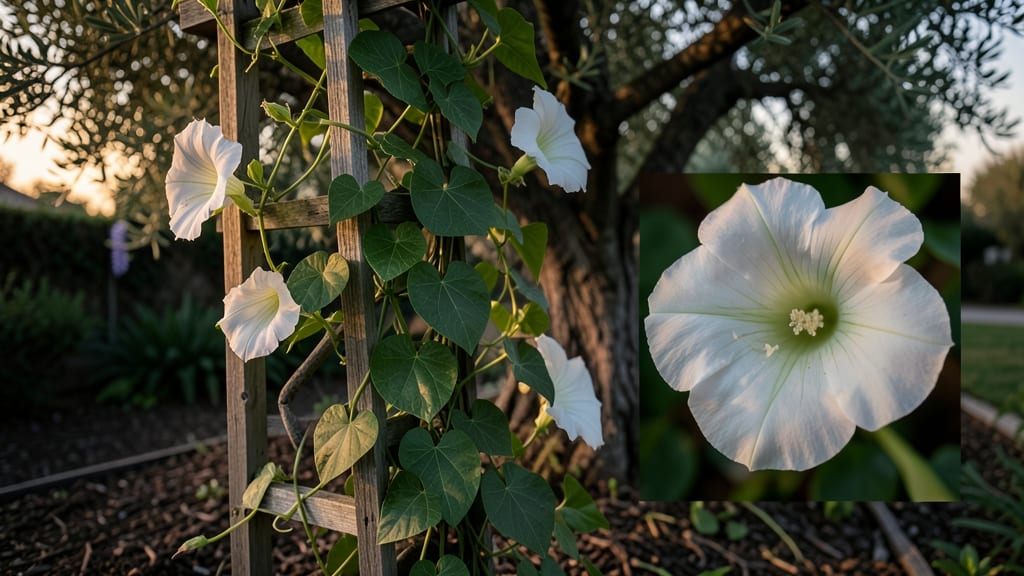
Moonflowers thrive best in a mix of sun or shade, balancing their love for warmth with their need for afternoon relief.
Picture this: your garden hums with life under the midday sun, but by afternoon, the air feels heavy, and your moonflowers 🌙 start to droop. That’s the classic sign they’re craving a little shade—just enough to keep their delicate blooms from wilting while still soaking up morning rays.
Too much shade, though, and you’ll miss out on those dramatic nighttime blooms.
Here’s the secret: moonflowers in USDA Zone 6 love 6+ hours of sun but reward you with bigger, fragrant flowers when given a break from the hottest afternoon heat.
Whether you’re planting in late spring or adjusting an existing vine, getting this balance right is the key to those iconic white blooms lighting up your evenings.
In this guide, I’ll walk you through how to spot the perfect light spot, tweak your garden layout for optimal growth, and troubleshoot common light-related struggles—so you can enjoy moonflowers that thrive both day and night.
 Best Window Placement
Moonflower light requirements: ideal sun vs. shade balance for healthy growth
Moonflowers (Ipomoea alba) thrive when given the right balance of sunlight and shade, but many gardeners struggle to find that perfect spot. These night-blooming beauties need 6 to 8 hours of direct sunlight daily to produce their signature fragrant white blooms.
However, in hot climates (Zones 8-10), afternoon shade helps prevent leaf scorch while maintaining healthy growth. Understanding these nuances ensures your moonflowers grow strong and bloom abundantly.
In cooler climates (Zones 6-7), moonflowers can handle full sun all day, but they still benefit from morning sun and afternoon shade during peak summer months. This balance prevents stress while encouraging vigorous vine growth.
The key is observing your plants—if leaves turn yellow or crisp at the edges, they’re getting too much harsh afternoon sun. Conversely, leggy vines with few blooms signal insufficient light.
| Light Condition | Sunlight Hours | Best For | Growth Impact |
|---|---|---|---|
| Full Sun | 6–8 hours | Cooler climates (Zones 6–7) | Vigorous vines, abundant blooms |
| Partial Shade | 4–6 hours (with afternoon shade) | Hot climates (Zones 8–10) | Prevents leaf scorch, steady growth |
| Too Much Shade | <3 hours | Any climate | Leggy growth, sparse blooms |
| Intense Afternoon Sun | >6 hours (without shade) | Hot climates | Leaf burn, stressed plants |
For container-grown moonflowers, place them in a location where they receive morning sun and filtered afternoon light. A south-facing window or a spot near a lattice trellis in partial shade works well.
If your patio or balcony gets direct afternoon sun for more than 2 hours, consider moving the container to a shaded area during peak heat. This adjustment can make the difference between thriving vines and struggling plants.
In hot desert climates (Zones 9–10), moonflowers often perform best with dappled shade from trees or a sheer curtain. This mimics their natural habitat in tropical forests, where they grow under the canopy.
If you’re in a humid subtropical zone (Zone 8), aim for 50% shade cloth during the hottest part of the day to protect delicate leaves while still allowing enough light for photosynthesis.
If you notice your moonflowers wilting by midday, it’s a clear sign they need more shade. Provide temporary relief with a lightweight shade cloth (30–50%) or relocate the plant to a spot with indirect light.
Conversely, if growth is slow and vines are sparse, supplemental grow lights (12–14 hours/day) can help bridge the gap until natural light conditions improve in spring or fall.
One common mistake is assuming moonflowers need full sun like sunflowers. While they are sun-loving plants, their tropical origins mean they’re more sensitive to intense heat and dry conditions.
In my own garden, I’ve found that mulching with straw or wood chips helps retain moisture and regulates soil temperature, which is especially beneficial for moonflowers in partial shade conditions.
For urban gardeners with limited space, consider growing moonflowers on a vertical trellis near a south-facing wall. This setup captures reflected light while providing natural shade from the structure itself.
If your balcony only gets 2–3 hours of morning sun, pair moonflowers with light-tolerant companions like nasturtiums or sweet peas to create a microclimate that supports their growth.
Regional adjustments are key: in Pacific Northwest gardens (Zone 7), moonflowers can handle full sun year-round, while in Florida’s humid climate (Zone 9), afternoon shade is non-negotiable. Always monitor your plants’ response to their environment—adjusting their light exposure gradually ensures they adapt without stress.
With the right balance, your moonflowers will reward you with months of fragrant evening blooms.
Remember, moonflowers are fast growers, and their light needs can shift as they mature. Young seedlings benefit from gentle morning light, while established vines can tolerate more direct sun.
Start with partial shade if you’re unsure, then gradually increase sunlight exposure over 2–3 weeks to avoid shocking the plants. Patience pays off when it comes to these stunning night-bloomers!
Signs your moonflowers aren’t getting enough (or too much) light
Moonflowers (Ipomoea alba) thrive when they receive the right balance of light, but spotting light-related stress can be tricky. Too little sunlight causes weak, leggy vines and pale leaves, while excessive sun exposure leads to crispy edges and sunburn.
Understanding these visual cues helps you adjust care before problems escalate.
Start by examining your moonflower’s leaf color. Healthy leaves are deep green, but yellowing leaves signal insufficient light, while brown or crispy edges mean too much sun.
Pay attention to the vine growth pattern—stunted, sparse vines indicate light deprivation, whereas vines growing too quickly with few blooms often suffer from too much sun.
⚠️ WARNING: Moonflower Light Stress Signs ⚠️
Your moonflowers’ blooming habits are another key indicator. Sparse or no blooms often result from inconsistent light, while flowers that fail to open at night may be stressed by excessive daytime sun. Healthy moonflowers produce 1-2 blooms per vine** each night during peak season (June–August).
Check the soil moisture around your moonflowers, as light stress affects water needs. Plants in too much sun dry out faster, while those in low light may develop root rot from overwatering. Aim for 1 inch of water per week, adjusting based on shade or sun exposure.
Adjust care by pruning leggy vines to encourage bushier growth if light is insufficient, or providing afternoon shade (1–3 PM) if sunburn appears. Use a light meter or shade cloth to test your garden’s light levels—ideal conditions are 4–6 hours of morning sun with afternoon shade in hot zones.
With the right light balance, your moonflowers will reward you with fragrant, night-blooming flowers and lush vines. Monitor growth weekly, and don’t hesitate to relocate plants if you notice stress signs early. 🌙