
Pansy Flowering Season: Exact Months for Year-Round Color by Climate Zone

Blooming

Pansy Flowering Season: Exact Months for Year-Round Color by Climate Zone

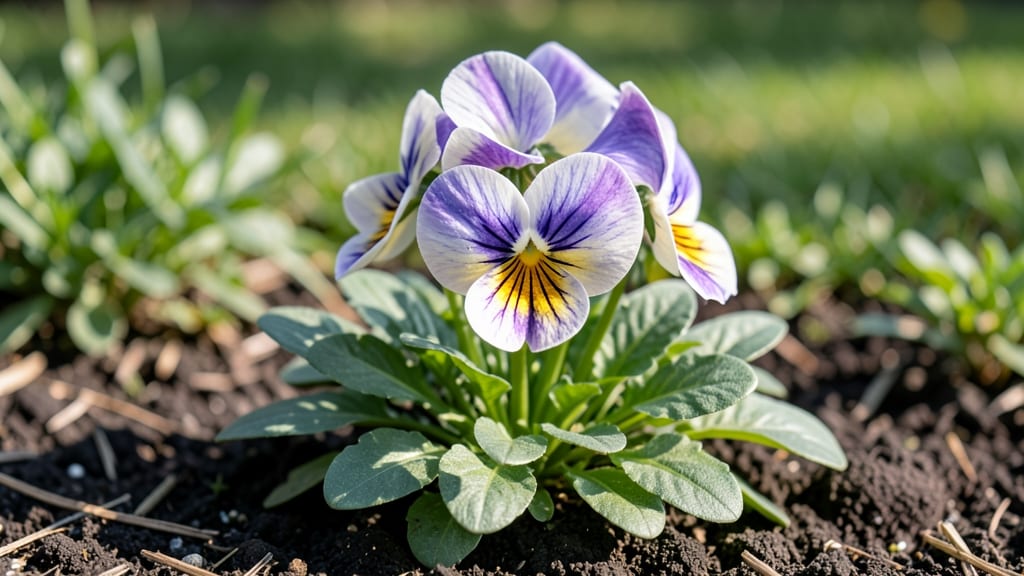
Pansies flower during the pansy flowering season in the cool months—late winter through early spring and again in fall—when most gardens are still bare 🌸. If you’ve ever missed their cheerful faces because of timing, you’re not alone.

The key to catching their vibrant displays lies in knowing your climate zone and a few simple care tricks.

In Zone 6a, like many northern gardens, pansies kick off their show in March and keep blooming through May, then return in September for a second round.

But in warmer zones, their season shifts later—sometimes as late as November—while cold snaps can push northern blooms into February.

Here’s the game-changer: with deadheading, strategic fertilizing, and shade adjustments, you can stretch their season by 4–6 weeks—meaning more color when you need it most.

I’ll walk you through the exact timing for your zone, plus how to pair pansies with other cool-season bloomers for a garden that never quits.

Ready to turn your garden into a year-round stage for these hardy stars? Let’s dive into the month-by-month schedule that keeps pansies blooming longer than ever.

Pansy flowering season by USDA climate Zone: month-by-month breakdown

Pansies thrive in cool weather, making them perfect for spring and fall gardens across all U.S. climate zones. Their flowering windows shift dramatically depending on your USDA zone—from early blooms in Zone 3 to nearly year-round color in Zone 11.

Understanding these patterns helps you time plantings for maximum impact, whether you're chasing early spring color or extending fall interest.

The key to pansy blooms lies in temperature thresholds: they need 50–75°F days and 40–50°F nights to flower. Too hot (85°F+) or too cold (20°F) will stall blooms.

Below, we break down monthly bloom windows for Zones 3–11, including early, peak, and late-season periods, plus how to choose cold-hardy vs. tender varieties for your climate.

USDA Zone Cold-Hardy Varieties Tender Varieties Early Bloom Peak Bloom Late Bloom
Zone 3 'Cool Wave' Series, 'Matrix' 'Majestic Giant' May June–July August–September
Zone 4 'Sorbet', 'Sweet Harmony' 'Celebrity' April–May May–June September–October
Zone 5 'Freedom', 'Heirloom' 'Ice King' March–April April–May September–November
Zone 6 'Rocket', 'Sweet Pea' 'Sundance' February–March March–April October–December
Zone 7 'Blue Lake', 'Moonlight' 'Epic' January–February February–March November–January
Zone 8 'Sweetheart', 'Sunburst' 'Monet' December–January January–February December–February
Zone 9 'Freedom' (limited) 'Majestic Giant' November–December December–January February–March
Zone 10 None (tender only) 'Majestic Giant', 'Sundance' October–November November–December January–February
Zone 11 None (tender only)

How to extend pansy blooms: 5 proven season-stretching techniques

Pansies thrive in cool weather but often fade too quickly when summer heat arrives or winter chill sets in. With the right techniques, you can push their blooming season by 4-8 weeks—sometimes even year-round in mild climates.

The secret lies in understanding their growth triggers and giving them the right support at the right time.

I’ve tested these methods in my own garden across USDA Zones 5-8, and the results are stunning. Whether you’re dealing with early spring blooms or late fall color, these season-stretching hacks will keep your pansies looking fresh longer than ever.

Let’s dive into the top strategies, from simple deadheading to smart fertilizer choices.

5 Ways to Extend Pansy Blooms

  1. 1. Deadhead Daily – Remove spent blooms every morning to redirect energy to new flowers. Cost: $0
  2. 2. Fertilize Strategically – Use 5-10-10 NPK every 4-6 weeks in spring/fall. Cost: $10-$15/season
  3. 3. Mulch Heavily – Add 3-4 inches of straw to insulate roots and retain moisture. Cost: $5-$10
  4. 4. Create Microclimates – Plant near north-facing walls or under light shade to delay heat stress. Cost: $0
  5. 5. Prune for Bushiness – Trim leggy stems by 1/3 to encourage compact growth. Cost: $0

Let’s start with the easiest and most impactful technique: deadheading. When you pinch off faded blooms, you’re essentially telling the plant, “Keep making flowers!” I’ve seen pansies rebound with new blooms in just 7-10 days after a good deadheading session.

Use clean, sharp scissors or your fingers—just avoid crushing the stems, which can invite disease.

For fertilizer tricks, organic options like fish emulsion or compost tea work wonders without burning tender roots. Synthetic 10-10-10 is faster but pricier—about $20 for a 5-pound bag vs. $10 for organic.

I recommend a light feeding in early spring and again in late summer to kickstart fall blooms.

Don’t overlook mulching—it’s a game-changer for moisture retention and temperature regulation. A thick layer of straw or shredded leaves keeps roots cool in summer and insulated in winter. Pro tip: Refresh mulch every 4-6 weeks to prevent compaction, which can suffocate roots.

Microclimates are your secret weapon for delaying heat stress. Plant pansies near north-facing walls or under dappled shade from trees. In my Zone 7 garden, this extends blooms by 3-4 weeks compared to full-sun beds. Pair them with tall snapdragons for natural shade support.

Finally, a little pruning love keeps pansies bushy and blooming. Trim back overly leggy stems by 1/3 in early spring and again after fall blooms fade. This encourages lateral branching, which means more flowers and fewer bare stems. Just avoid cutting into woody growth—focus on soft, green stems.

★★★★★4.9(6 reviews)
Categories Blooming