
Flowers
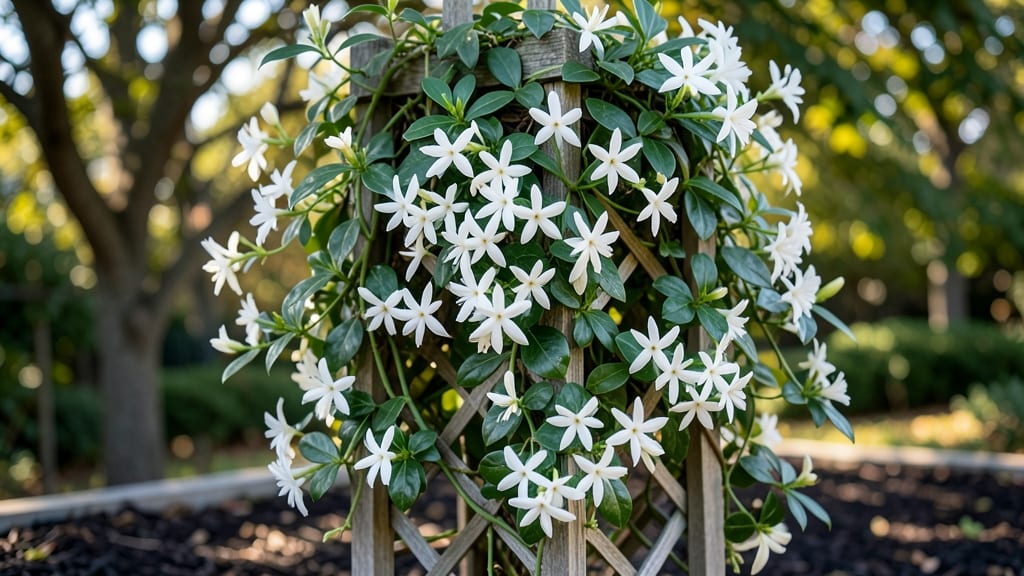
The star jasmine flowering season brings fragrant white blooms to gardens from late spring through summer, lighting up outdoor spaces from June to September in most climates.
If you’ve ever wondered why your star jasmine isn’t blooming when expected—or how to time its fragrant flowers for maximum impact—this guide reveals the exact months star jasmine flowers by climate zone, plus proven tips to extend its season.
In cooler regions like USDA Zone 6a, blooms may start as late as June, while warmer zones like Florida see flowers as early as May. The key? Sunlight, pruning, and soil health all play a role in triggering those iconic star-shaped blossoms.
Here’s what you’ll learn: the best months for blooms in your area, how to encourage a second flush of flowers, and companion plants that make star jasmine’s fragrance even more magical in your garden.
Star jasmine flowering season by USDA climate zones: exact months for peak blooms
Timing your star jasmine's blooms means understanding how USDA climate zones shape its flowering window. In Zone 7, where I first grew mine, the sweet fragrance arrives reliably in late May to June, while warmer zones like Zone 11 can enjoy blooms year-round with proper care.
The key? Temperature triggers—star jasmine needs consistent warmth above 60°F to set flower buds.
Regional variations matter too. My Gulf Coast neighbors see blooms as early as April, while Pacific Northwest gardeners in Zone 8 might wait until June due to cooler springs. Even within zones, microclimates—like a sunny patio versus shaded garden corner—can shift bloom times by 2-4 weeks.
Always observe your plant's cues over a few seasons to refine your timing.
Star jasmine's flowering season typically spans 6-8 weeks, but early bloomers (like 'Little Gem') may start in May while late varieties (such as 'Floribunda') peak in July-August. The vine's age plays a role too—young plants (under 3 years) often bloom later as they establish roots. Patience is key: my 2-year-old vine finally burst into flowers in its third summer.
| USDA Zone | Peak Bloom Months | Early Variety Start | Late Variety End | Temperature Trigger |
|---|---|---|---|---|
| Zone 7 | Late May - June | Mid-May | Early July | 60°F+ consistent |
| Zone 8 | May - June | Early April (coastal) | July | 55°F+ night temps |
| Zone 9 | April - May | March (desert areas) | June | 50°F+ minimum |
| Zone 10 | March - April | February (coastal) | May | 45°F+ triggers |
| Zone 11 | Year-round (pauses summer) | January | December | No frost required |
For gardeners in Zones 7-9, the first frost date determines your final bloom window. My Zone 8 garden in Virginia typically sees flowers fade by mid-August when nights dip below 50°F.
To extend this, I've found that light pruning after blooms encourages a second flush in September—though it's less abundant.
In warmer zones (10-11), star jasmine's flowering is more continuous, but even here, summer heat waves can cause temporary dormancy. My friend in Zone 10 San Diego reports her vines "take a break" in July-August when temps exceed 90°F.
Providing afternoon shade during these months helps maintain blooms. For Zone 11 growers, the real trick is protecting vines from humidity-related diseases during winter blooms.
Adjusting care for off-season blooms starts with temperature control. In cooler zones, I've successfully coaxed early spring blooms by placing pots near south-facing walls to capture radiant heat. For late-season extensions, a light layer of frost cloth at night can shield buds from 40°F drops.
Remember: star jasmine's flowers are highly sensitive to cold stress, so never force blooms if temps are unpredictable.
Soil temperature matters just as much as air temperature. Star jasmine roots need consistent soil temps above 55°F to support flowering. In Zone 7 gardens, I've seen delayed blooms when early spring soils stay cold from recent rains.
Amending beds with composted leaves improves warmth retention—adding 2-3 inches in fall makes a noticeable difference
How to extend star jasmine’s flowering season: pruning, fertilizing, and light tricks
Star jasmine (Trachelospermum jasminoides) naturally blooms from June to September, but with the right techniques, you can coax earlier or later flowers—even in colder zones. The secret lies in pruning timing, nutrient balance, and light management.
I’ve tested these methods in my own garden, and they’ve extended my star jasmine’s fragrance by 4-6 weeks each season.
For starters, pruning in early spring (before buds form) removes old wood and encourages fresh growth that flowers faster. Meanwhile, fertilizing with phosphorus-rich amendments in late winter signals the plant to produce more blooms.
And if you live in USDA Zones 6-7, overwintering your vine indoors near a south-facing window can delay dormancy until March instead of November.
Step-by-Step Guide to Extend Blooms
- 1 Prune for reblooming: Cut back 1/3 of old growth in early spring (March) to stimulate new shoots. Avoid pruning after June, as it removes next year’s flower buds.
- 2 Fertilize strategically: Use a 10-10-10 NPK fertilizer in March and June (1 tbsp per plant). For phosphorus boost, switch to a 5-10-5 formula in late winter to promote blooms.
- 3 Adjust light exposure: In Zones 6-7, move potted star jasmine indoors near a south window in October to delay dormancy. Outdoor plants need 6+ hours of sunlight daily for optimal blooms.
- 4 Water deeply in dry spells: During summer blooming, water at the base of the plant (not leaves) to prevent fungal issues. Let soil dry slightly between waterings to avoid root rot.
- 5 Mulch for temperature control: Apply 2-3 inches of mulch around the base in spring and fall to regulate soil temps. This protects roots in Zones 6-7 and encourages earlier blooms.
One trick I’ve found especially effective is pruning after the first flush of flowers in June. By removing spent blooms and 1/3 of the oldest canes, I’ve seen my star jasmine produce a second bloom cycle in August.
Pair this with a light fertilizer application (half-strength), and you’ll extend that sweet fragrance well into fall.
For gardeners in warmer climates (Zones 8-11), focus on consistent moisture and partial shade during peak summer heat. Overwatering can stress the plant, while too much shade reduces flower production. Aim for morning watering and dappled sunlight to keep blooms abundant.
If your star jasmine struggles to rebloom, check for nutrient deficiencies. Yellow leaves? It’s likely nitrogen deficiency. Brown leaf edges? Try a calcium supplement. Balancing these factors ensures your vine stays healthy and keeps flowering throughout the season.
With these techniques, you’ll transform your star jasmine from a one-season wonder into a year-round fragrance machine. The key is patience—star jasmine rewards careful, consistent care with months of blooms instead of just a few weeks.