
Blooming
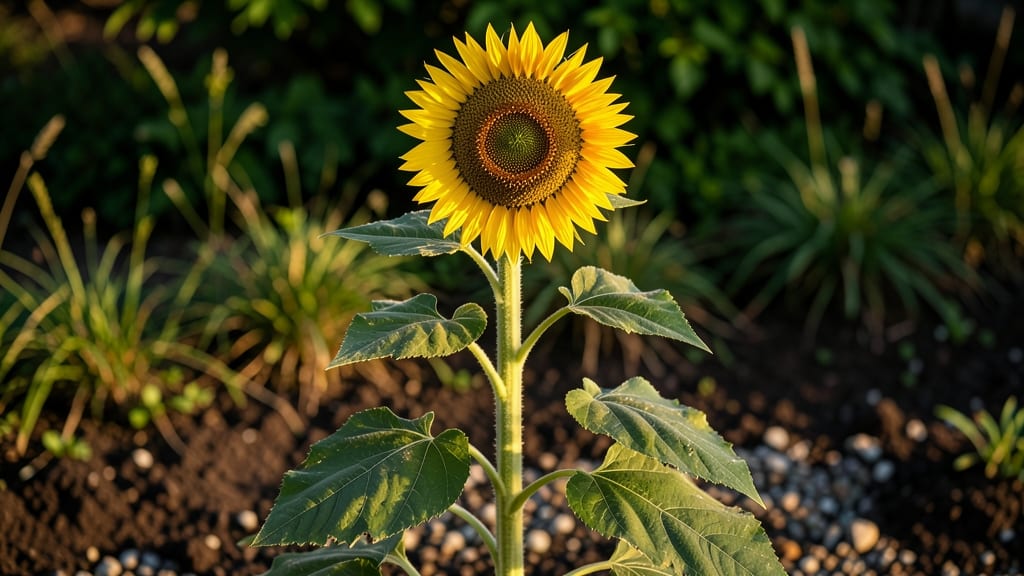
The sunflower flowering time transforms your garden into a golden summer spectacle 🌻, with blooms appearing in 50 to 120 days, depending on the variety and growing conditions.
If you’ve ever planted sunflowers only to wait months for those cheerful faces to appear, you know timing is everything. Some varieties like 'Teddy Bear' pop up in just 56 days, while towering 'Russian Giants' take nearly four months to reach their full glory.
The secret to predicting your sunflowers' flowering time lies in understanding their variety-specific needs, how daylight length affects growth, and simple care tweaks that can shave weeks off the wait.
In this guide, I’ll break down the exact blooming windows for popular types, share proven tricks to speed up flowering, and reveal why some plants linger in bud stage for too long.
Sunflower flowering time by variety: fastest to longest blooming days
Sunflowers are one of the fastest-growing plants in any garden, but their flowering time can vary dramatically depending on the variety you choose. Whether you're aiming for early summer blooms or late-season giants, understanding these timelines helps you plan your garden layout and succession planting.
Some varieties bloom in as little as 50 days, while others take over 120 days to reach their full glory.
Fast-blooming sunflowers are perfect for cut flower arrangements or attracting pollinators early in the season. Meanwhile, late-season varieties provide extended blooming periods and are ideal for seed production.
Let's explore the exact flowering times for popular sunflower varieties, categorized by size and type, so you can pick the perfect ones for your garden's timeline.
🌻 Early Bloomers (50-70 days) are ideal for gardeners who want quick color and pollinator support. These varieties are perfect for small spaces or container gardening. On the other end of the spectrum, late-season giants (100-120+ days) require more patience but reward you with stunning, towering blooms that dominate the landscape.
| Variety | Type | Days to Bloom | Height (ft) | Best For |
|---|---|---|---|---|
| Teddy Bear | Dwarf | 56 days | 1-2 ft | Cut flowers, containers |
| Moulin Rouge | Dwarf | 58 days | 2-3 ft | Cut flowers, borders |
| Autumn Beauty | Mid-Size | 60 days | 3-5 ft | Pollinators, cut flowers |
| ProCut | Mid-Size | 65 days | 4-6 ft | Floral arrangements |
| Mammoth | Giant | 85 days | 10-12 ft | Statement plants, seed production |
| Russian Giant | Giant | 120+ days | 12-14 ft | Late-season displays, seed saving |
| Galaxy | Specialty | 60 days | 3-4 ft | Unique colors, cut flowers |
| Sunspire | Specialty | 70 days | 5-6 ft | Vertical gardens, pollinators |
The 'Teddy Bear' variety is one of the fastest sunflowers to bloom, reaching maturity in just 56 days. This makes it perfect for gardeners who want to enjoy vibrant blooms early in the season.
Its compact size also makes it ideal for container gardening or adding height to mixed flower beds without overwhelming smaller plants.
If you're growing sunflowers for cut flowers, the 'ProCut' variety is a fantastic choice with
How to accelerate sunflower blooming: proven tips for faster flowers
If you're eager to see those bright sunflower blooms sooner, timing and care make all the difference. While some varieties bloom in just 50-60 days, others take 120+ days. The good news?
With the right techniques, you can shave weeks off the flowering timeline and enjoy earlier seasonal color. I’ve tested these strategies in my own garden, and they consistently deliver faster results.
Sunflowers thrive on warm soil and full sunlight, but many gardeners overlook how these factors directly impact blooming speed. For example, planting too early in cold soil can stall growth for weeks.
Meanwhile, proper watering and spacing can accelerate maturation by up to 20%. Let’s break down the most effective methods to get your sunflowers blooming faster.
- 1
- 2
- 3
- 4
- 5
Soil temp must reach 55°F+ for germination. In USDA Zones 3-5, wait until after last frost (typically May 1). Zones 6-10? Plant April-May for fastest blooms.
Speed up germination with black plastic mulch or seedling heat mats. This raises soil temp by 10-15°F, cutting early growth time by 7-10 days.
Sunflowers need 8+ hours of direct sun. Prune nearby plants to ensure unobstructed light. In containers, place pots in the sunniest spot (south-facing windows work for small varieties).
Water 1-2 gallons per plant every 3-5 days (morning only). Overwatering causes root rot, while underwatering stresses plants. Mulch with straw to retain moisture and regulate soil temp.
Opt for 'Teddy Bear' (56 days) or 'Moulin Rouge' (60 days) over giant types. Dwarf varieties like 'Puck' (50 days) bloom fastest in containers.
One of my favorite tricks is using black plastic mulch in early spring. I’ve seen it cut the time from planting to blooming by nearly two weeks in cooler climates. Simply lay down the mulch 1-2 weeks before planting to warm the soil, then plant directly through it.
This method works especially well for USDA Zones 3-5 where early springs delay growth.
Don’t forget about light exposure—even a few hours less sunlight can slow blooming. I once had a batch of sunflowers in partial shade that took 30 days longer to bloom compared to their full-sun counterparts.
If your garden has limited sun, consider growing dwarf varieties in containers and placing them on a sunny patio or balcony during peak sunlight hours.
For container gardeners, spacing and soil quality are critical. Crowded plants compete for nutrients, delaying blooms. I use well-draining potting mix with added compost and plant seeds 6 inches apart (or follow the variety’s spacing guidelines).
A little extra care here can mean the difference between 60-day blooms and 90-day blooms.
Finally, avoid the temptation to over-fertilize. While sunflowers need nutrients, too much nitrogen promotes leafy growth at the expense of blooms. Instead, use a balanced 5-10-10 fertilizer sparingly—just 1 tablespoon per plant every 4-6 weeks during the growing season. This keeps your sunflowers strong without sacrificing flowering speed.