
Flowers
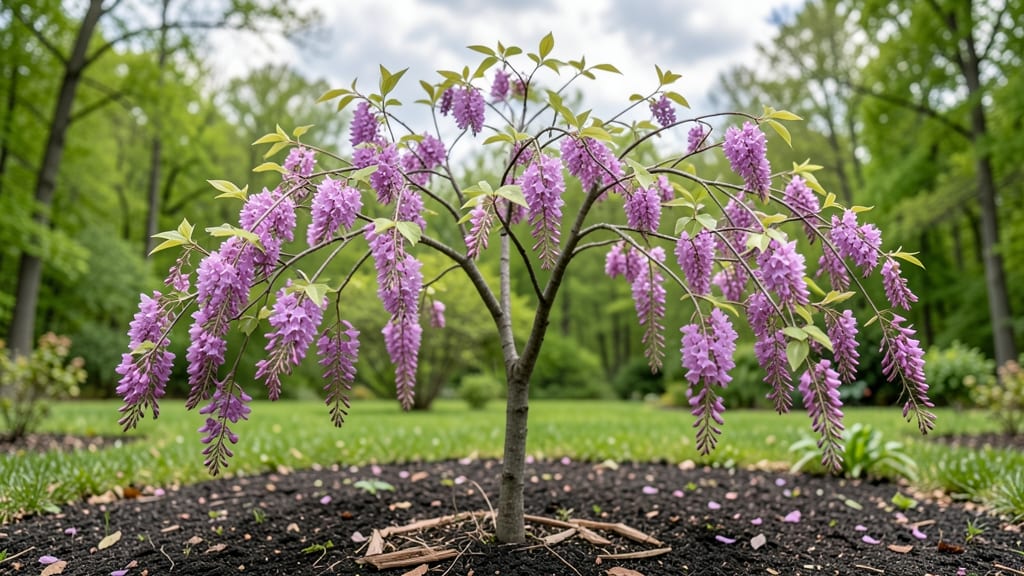
A tree with little purple flowers can transform your garden into a fragrant spring paradise 🌸—and the lilac bush is the star of the show.
If you're dreaming of a fragrant garden bursting with delicate purple blooms, the lilac bush is your perfect match—but only if you know how to nurture it properly. These iconic trees aren’t just beautiful; they’re low-maintenance powerhouses that reward gardeners with years of stunning displays.
Lilacs thrive in USDA Zone 6a and beyond, making them a reliable choice for gardeners in cooler climates. Planting them in March or April gives their roots time to establish before summer heat arrives, setting the stage for vibrant blooms in May and June.
In this guide, you’ll discover how to select the best varieties, master care techniques, and avoid common mistakes that can stunt their growth. Let’s get your lilac bush off to the best start!
How to identify and select the best lilac varieties for purple flowers
When searching for trees with little purple flowers, lilacs (Syringa spp.) are among the most prized choices for their fragrant blooms and classic beauty. Not all lilacs are created equal—some boast true purple hues, while others lean toward lavender or violet.
Understanding these differences helps you pick the perfect variety for your garden's color palette and climate zone.
The most iconic species, Syringa vulgaris, offers the deepest purples, but newer hybrids like Syringa meyeri deliver compact forms with vibrant blooms. If you love fragrance, varieties like 'Katherine Havemeyer' are legendary, while 'Black Beauty' delivers bold, almost-black purple flowers.
Let’s explore the top 5 lilac varieties for stunning purple blooms and how to choose the right one for your space.
| Variety | Flower Color | Bloom Time | Mature Size | Hardiness Zones | Fragrance | Sunlight |
|---|---|---|---|---|---|---|
| 'Katherine Havemeyer' | Deep purple | Late spring | 8-12 ft | 3-7 | Very strong | Full sun |
| 'Black Beauty' | Near-black purple | Mid-spring | 6-8 ft | 3-7 | Strong | Full sun |
| 'Sensation' | Lavender-purple | Early spring | 5-7 ft | 3-7 | Moderate | Full sun |
| 'Meyer' | Soft purple | Late spring | 3-5 ft | 3-8 | Very strong | Full sun |
| 'President Lincoln' | Rich purple | Mid-spring | 10-12 ft | 3-7 | Very strong | Full sun |
For true purple blooms, 'Katherine Havemeyer' and 'President Lincoln' are unbeatable choices, while 'Black Beauty' adds drama with its deep, almost ebony tones. If you're working with small spaces, 'Meyer' lilacs are perfect—they’re dwarf varieties that still pack a fragrant punch.
Always check the USDA hardiness zones to ensure your selected variety thrives in your local climate.
Color isn’t the only factor—consider fragrance intensity too. Varieties like 'Katherine Havemeyer' and 'Meyer' release intoxicating scents that can fill an entire yard. If you prefer a low-maintenance option, 'Sensation' offers beautiful blooms with minimal upkeep.
Pair your lilac with companion plants like peonies or roses to extend your garden’s blooming season.
When selecting a lilac, prioritize sunlight exposure—most varieties need 6+ hours of full sun daily for optimal flowering. Plant
Step-by-step lilac bush care: planting, pruning, and year-round maintenance
Your tree with little purple flowers—the classic lilac bush—thrives with the right care. To ensure those fragrant blooms return year after year, start by choosing the perfect planting location. Lilacs love full sun exposure (6+ hours daily) and well-draining soil.
Avoid low spots where water pools, as soggy roots invite disease. Amend heavy clay soil with compost to improve aeration and fertility.
Timing matters too. Plant your lilac in early spring or fall, 4-6 weeks before the last frost. This gives roots time to establish before extreme temperatures. For container-grown lilacs, dig a hole twice as wide as the root ball but only as deep.
Gently loosen roots before placing the plant in the ground to prevent circling.
- 1.
- 2.
- 3.
- 4.
Watering your lilac correctly is key to preventing stress. Newly planted lilacs need weekly deep watering (2-3L per plant) to settle roots. Once established (after 2 years), reduce to bi-weekly deep soaks during dry spells.
Always water at the base of the plant in the morning to minimize fungal risks. Overhead watering can leave flowers damp, inviting powdery mildew.
Pruning isn’t just about aesthetics—it’s about encouraging future blooms. Always prune after flowering (late spring) to avoid cutting off next year’s buds, which form on old wood. Use clean, sharp pruners to make cuts at a 45-degree angle just above a bud.
Remove dead, diseased, or crossing branches first, then thin out crowded stems to improve air circulation. For overgrown lilacs, rejuvenation pruning every 3-5 years works wonders.
Pests and diseases rarely plague healthy lilacs, but keep an eye out for aphids, borers, or powdery mildew. Spray affected areas with neem oil or insecticidal soap for mild infestations.
Improve airflow with proper pruning and space plants 3-5 feet apart to prevent fungal spread. If mildew appears, apply a fungicide and avoid overhead watering until the issue clears.
With these simple steps, your tree with little purple flowers will flourish for decades. The key is consistency—plant correctly, prune strategically, and water wisely. Soon, your garden will burst with fragrance and color every spring! 🌷