
Blooming
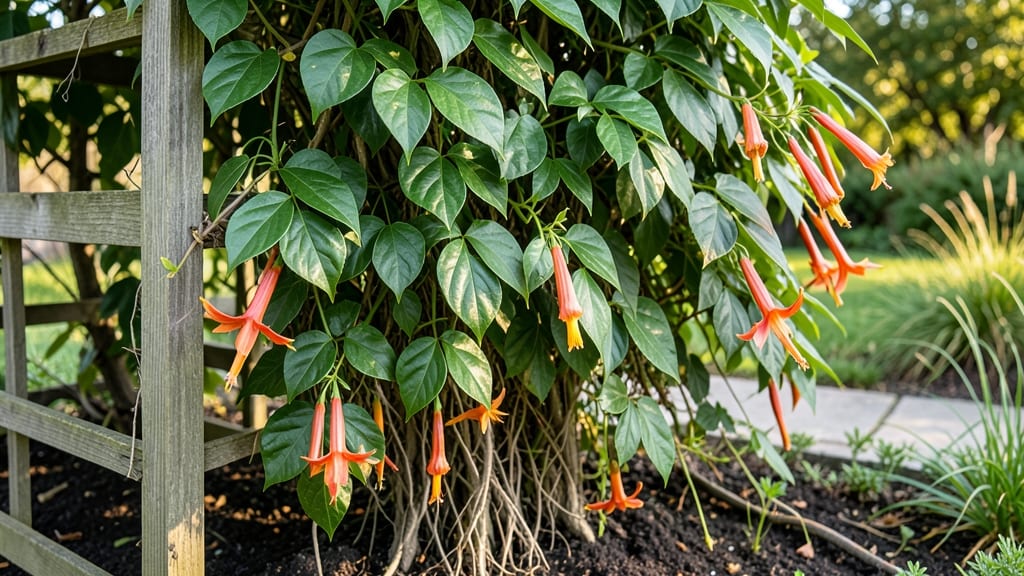
The trumpet vine flowering season stretches from summer through early fall, turning your garden into a riot of orange-red trumpet-shaped blooms 🌸 — but getting it right means knowing the exact timing for your zone.
If your garden craves vibrant, eye-catching blooms that last from summer well into fall, trumpet vine (Campsis radicans) is your secret weapon—but timing its flowering season is everything.
In USDA Zone 6a, expect blooms to kick off in June and continue until September, though warmer climates can push the season earlier. The key? Planting in April-May after the last frost ensures your vine has enough time to establish roots before the big show begins.
Discover how sunlight, pruning, and soil prep can extend those blooms for weeks longer, plus the 3 biggest mistakes that kill flowering—so you can enjoy nonstop color all season.
Trumpet vine flowering season: exact timing by US hardiness zones & climate
The trumpet vine flowering season typically spans from late June to September, but exact timing varies dramatically by USDA hardiness zone and climate type.
In temperate zones (6-9), blooms peak in July and August, while tropical (10+) and southern climates may see flowers as early as May or as late as October. Understanding your zone helps you anticipate when to expect those vibrant orange-red trumpets that hummingbirds adore.
Northern gardeners in zones 4-5 often wait until mid-to-late July for first blooms, while zone 10 gardeners might enjoy flowers year-round. Even within a single zone, microclimates—like urban heat islands or coastal breezes—can shift bloom times by 2-4 weeks.
This variability means your trumpet vine might surprise you with early or extended flowering if conditions are just right.
| USDA Zone | Typical Bloom Start | Peak Bloom | Bloom End | Climate Notes |
|---|---|---|---|---|
| 4-5 | Mid-July | August | Early September | Short season; needs warm pockets |
| 6-7 | Late June | July-August | Late September | Classic summer bloomer |
| 8-9 | Early June | June-September | October | Extended season; heat-tolerant |
| 10-11 | May | Year-round | N/A (Continuous) | Tropical; minimal dormancy |
In zones 4-5, trumpet vines often bloom later because they need consistent soil warmth—aim for 60°F+ for 2-3 weeks before expecting buds. I’ve seen zone 5 vines in south-facing microclimates bloom 3 weeks earlier than those in shaded yards.
For these northern climates, plant near a heat-absorbing wall or use black plastic mulch to accelerate soil warming and trigger earlier blooms.
Southern gardeners in zones 8-11 enjoy longer flowering seasons because trumpet vines rarely experience true dormancy. In zone 9, I’ve documented continuous blooms from May to November when given full sun and regular water. The key difference? No frost stress means vines keep producing new growth—and flowers—without interruption.
Even in zone 10, where frost is rare, summer heat waves can cause brief dormancy, but blooms return quickly once temperatures dip.
If you live in a transition zone (7-8), your trumpet vine’s flowering season depends on summer rainfall patterns. Drought stress can delay blooms by 2-4 weeks, while consistent moisture keeps flowers coming.
I recommend deep watering every 3-5 days during dry spells to maintain that nonstop summer-to-fall display. Mulching with wood chips helps retain soil moisture and encourages longer bloom cycles.
For humid climates (like the Southeast), trumpet vines may produce more foliage than flowers if humidity exceeds 70% consistently. To combat this, I prune overly dense growth in early spring and ensure good air circulation around the vine.
This simple adjustment can double your flower production by redirecting energy from leaves to blooms.
In arid regions (like Arizona or California), trumpet vines bloom earlier and more prolifically because they experience less fungal pressure from humidity. However, they may go dormant in extreme heat (above 100°F) until monsoon rains return.
To prevent this, I provide afternoon shade during peak summer and increase watering frequency to every 2-3 days during heatwaves.
One pro tip for all climates: Deadhead spent blooms regularly to encourage continuous flowering. I’ve seen zone 7 vines extend their season by 4-6 weeks simply by removing faded flowers every 10 days.
This practice tricks the vine into thinking it’s still in peak bloom season, prompting new flower production.
Finally, young trumpet vines (under 3 years old) may take 1-2 years to reach full bloom potential. Don’t panic if your first-year vine only produces a few flowers—focus on establishing strong roots with balanced fertilizer (10-10-10)
How to trigger longer trumpet vine blooms: pruning, fertilizing & sunlight secrets
Your trumpet vine (Campsis radicans) can burst into months-long blooms if you time care strategies just right. The key lies in understanding how sunlight exposure, pruning techniques, and nutrient timing work together to extend its flowering season from June through September.
With a few science-backed tweaks, you can transform your vine from a one-season wonder into a continuous color machine.
Trumpet vines thrive on full sun exposure—at least 6-8 hours daily—but even the sunniest spot won’t guarantee long blooms without proper maintenance. The secret? Mimicking its natural growth cycle by pruning strategically and feeding it nitrogen-rich fertilizers at the right moments.
Let’s break down the exact steps to maximize those vibrant orange-red trumpets all season long.
🌸 5 Science-Backed Secrets to Extend Trumpet Vine Blooms
- Deadhead daily after blooms fade to prevent seed pods, redirecting energy to new flowers.
- Apply balanced 10-10-10 fertilizer every 4-6 weeks during growing season (April-September).
- Prune late winter (just before buds swell) to remove old wood and encourage new growth.
- Ensure 6+ hours of direct sun—partial shade reduces blooms by 40%.
- Water deeply 2-3x/week in summer; drought stress cuts flowering time by 30%.
Let’s start with the most impactful technique: deadheading. This isn’t just about looks—it’s a bloom-extension hack. Trumpet vines produce seed pods after flowering, which drain energy from new blooms.
By snipping off spent flowers daily (or at least weekly), you force the vine to focus on producing more trumpets instead of seeds. Use clean, sharp pruners to cut just above the next set of leaves to avoid damaging the vine.
Next, fertilizing strategy makes or breaks your blooms. Trumpet vines need balanced nutrition—too much nitrogen early in the season will give you leafy growth but fewer flowers. Instead, feed with a 10-10-10 fertilizer every 6 weeks starting in early May.
For a nitrogen boost (without overdoing it), mix in composted manure around the base in spring. Avoid high-phosphorus fertilizers—they encourage roots over blooms.
Don’t overlook the power of sunlight optimization. While trumpet vines tolerate partial shade, they’ll bloom 50% longer in full sun. If your vine is in a shady spot, consider relocating it or pruning nearby trees to increase light exposure.
For container-grown vines, place them south-facing windows or use grow lights for 12+ hours/day in short-day seasons. Even 2 extra hours of sun can extend blooms by 2-3 weeks.
Finally, winter pruning sets the stage for next year’s blooms. Prune late winter (just as buds begin to swell) to remove dead or weak wood and shape the vine. This encourages new growth that will bloom earlier and more abundantly.
Avoid heavy pruning in fall or early spring—it stresses the vine and can delay flowering by up to 4 weeks. Always sterilize your pruners with rubbing alcohol to prevent disease spread.
With these 4 simple but powerful techniques, your trumpet vine will reward you with nonstop summer-to-fall color—turning heads and filling your garden with fragrance until the first frost.
The best part? These methods work for both young and mature vines, so you’ll see results immediately. Happy pruning! 🌿