
Flowers
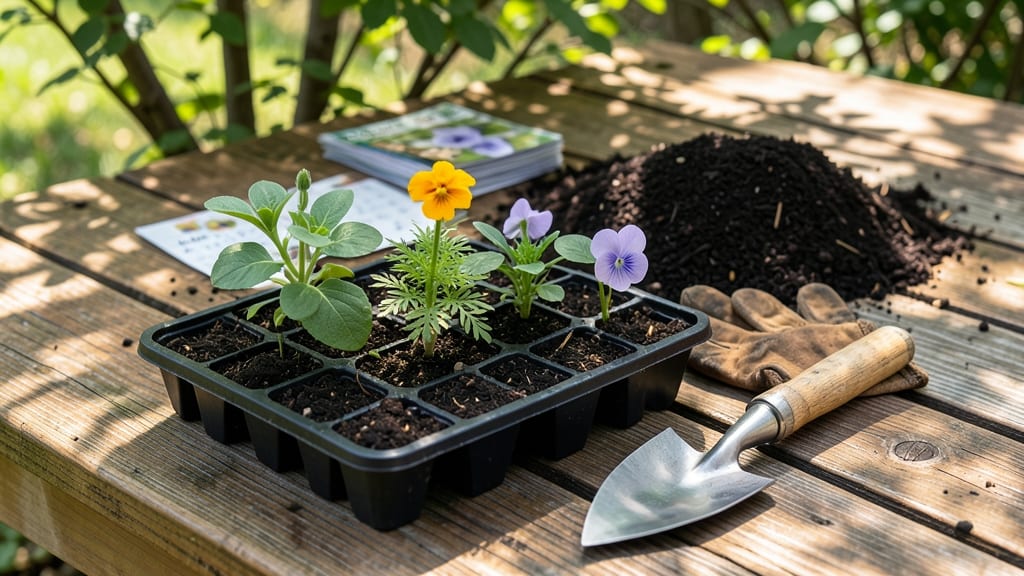
You can start planting flowers as early as February in warm zones, but most gardeners wait until after the last frost in spring to avoid frost damage—especially in colder regions like Zone 6a.
Timing is everything in gardening—plant your flowers too early, and frost will kill them; too late, and you’ll miss the full bloom season. But knowing the exact months to start planting in your zone can mean the difference between a vibrant garden and a patchy disappointment.
For Zone 6a, where frost lingers until mid-April, hardy annuals like pansies and snapdragons can go in the ground by March, while tender perennials and bulbs wait until after the last frost.
Meanwhile, warm-weather bloomers like marigolds and zinnias need to stay indoors until soil temperatures rise in May.
Below, I’ll break down the best months for your region, whether you’re sowing seeds indoors or planting directly outside, plus how to adjust for early starts, late frosts, and even fall blooms.


USDA planting zones & exact months to start flower seeds indoors vs outdoors
Understanding your USDA Planting Zone is the first step to timing flower seeds perfectly. Whether you're growing cold-hardy annuals like pansies or tender perennials like dahlias, the last frost date and average first frost dictate when to start seeds indoors or outdoors.
For example, Zone 5 gardeners face a shorter growing season than Zone 9, so timing adjustments are critical for success.
Starting seeds indoors gives delicate flowers a head start, while hardy varieties can often be sown directly into the garden. The key is balancing soil temperature, daylight hours, and heat tolerance.
In warmer zones like Zone 10, you might sow directly in late winter, while Zone 3 gardeners should wait until late spring or start indoors in early spring for a jump on summer blooms.
Below is a zone-by-zone breakdown of when to start flower seeds indoors vs. outdoors, including cold-hardy annuals, tender perennials, and heat-loving flowers. Use this as your guide to avoid common mistakes like planting too early (risking frost damage) or too late (missing peak bloom times).
In Zones 3-4, where winters are harsh, starting seeds indoors 8-10 weeks before the last frost (typically February-March) gives flowers like snapdragons and pansies enough time to mature before the growing season ends.
These cold-hardy annuals can handle light frosts, but tender perennials like dahlias need a head start indoors to avoid damage.
For Zones 5-6, adjust your timeline to 6-8 weeks before the last frost (March-April). This window works for both direct sowing of hardy flowers like calendula and starting tender perennials such as geraniums indoors.
Pay attention to soil temperature—most seeds need soil to warm to at least 50°F (10°C) before germinating.
Gardeners in Zones 7-8 enjoy longer growing seasons, allowing for earlier direct sowing (as early as February for warm-season flowers) and a shorter indoor start window of 4-6 weeks.
Take advantage of mild winters to sow marigolds and zinnias directly into the garden, but still start petunias indoors for a jump on summer color.
In Zones 9-10, where frost is rare or nonexistent, you can sow many flowers directly into the garden as early as January-February. However, even in warm climates, starting heat-sensitive flowers like bougainvillea indoors ensures they’re established before summer’s peak heat.
Always check seed packet instructions—some tropical flowers prefer soil temperatures above 70°F (21°C) to germinate.
Regional variations matter! For example, Zone 5 in Minnesota may have a last frost in mid-May, while Zone 5 in Colorado might see frost until June
Best flowers to plant by month: a seasonal cheat sheet for year-round color
Want a garden bursting with color every month? The secret isn’t just choosing pretty flowers—it’s planting them at the right time. Cool-season bloomers like pansies and snapdragons thrive in early spring, while heat-lovers such as marigolds and zinnias shine in summer.
With succession planting, you can create a nonstop floral display. Let’s break it down by month so you never have a dull moment in your garden!
Your local USDA zone will shift these timelines slightly—colder zones (like Zone 5) may need to start 6 weeks earlier indoors, while warmer zones (like Zone 9) can plant year-round.
Always check your last frost date and adjust accordingly. For example, calendula seeds can handle light frost, while cosmos will bolt if planted too early. Here’s your month-by-month guide:
- 1 January-February: Start cool-season annuals indoors—pansies, snapdragons, and sweet alyssum. In mild zones, direct-sow calendula or stock for early blooms.
- 2 March-April: Plant hardy perennials like tulips and dahlias (after frost). Direct-sow lupines and foxgloves for spring color. Start tomato and pepper seeds indoors if you’re growing edible flowers too!
- 3 May-June: Fill gaps with heat-tolerant annuals—marigolds, zinnias, and sunflowers. Succession-sow basil and nasturtiums every 2 weeks for continuous blooms.
- 4 July-August: Plant fall-blooming perennials like asters and chrysanthemums. Direct-sow radishes and pansies for late-season color. Deadhead spent blooms to encourage zinnias to rebloom.
- 5 September-October: Start winter-blooming pansies and snapdragons indoors. Plant garlic and spring bulbs (like tulips) for next year’s show. Cover tender plants with row fabric as temps drop.
- 6 November-December: Plan your next year’s garden! Order seed catalogs, test soil, and sketch layouts. In mild zones, direct-sow winter lettuce and pansies for early spring color.
Pro tip: Use succession planting to keep your garden lively. For example, sow basil every 2 weeks in summer—when the first batch bolts, the next will be ready to bloom.
Pair heat-lovers like portulaca with cool-season stars like stock for a seamless transition. With this schedule, you’ll enjoy color from January through December—no dead zones allowed!
Don’t forget to mulch around plants in late fall to protect roots from freezing temps. And if you’re in a warmer zone (like Zone 10), you can plant tropical flowers like hibiscus or bird of paradise year-round. The key is observing your plants and adjusting—gardening is all about flexibility!
Now grab your gloves and get planting! With this seasonal cheat sheet, your garden will be the envy of the neighborhood—bloom after bloom, month after month. 🌸