
Blooming
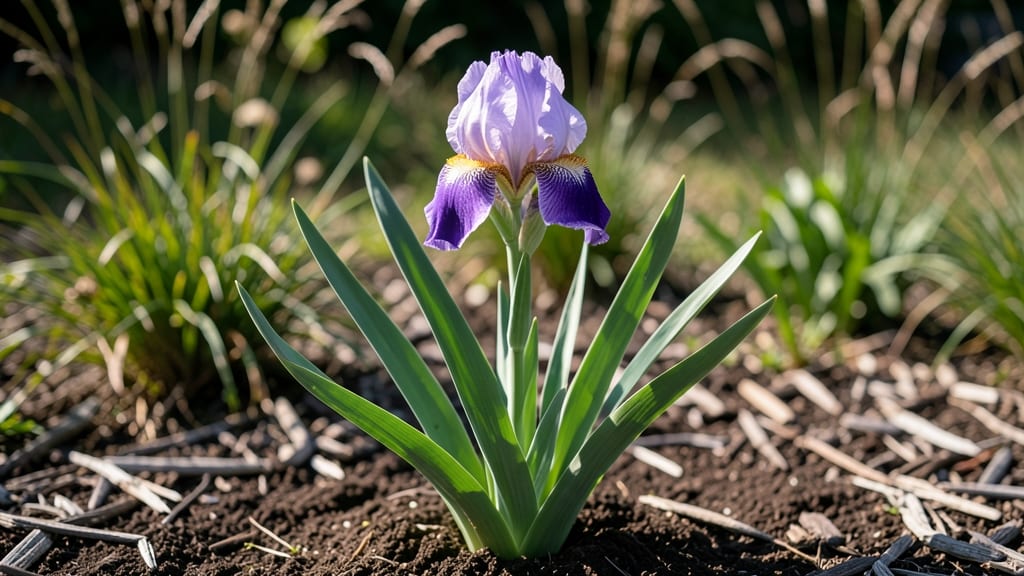
Iris flowers bloom in late spring to early summer, a showstopper that transforms your garden into a riot of color 🌸.
Wondering when your iris garden will burst into vibrant color? Timing their bloom depends on your climate zone—and getting it right means flowers that last for weeks, not days.
In USDA Zone 6a, where many gardeners live, irises typically unfurl their petals between May and June, though early varieties may peek out as soon as April. Cooler zones see blooms slightly later, while warmer climates might enjoy a longer display.
Below, I’ll break down the exact months for your region, plus pro tips to encourage longer, more abundant blooms—so you can enjoy those stunning 🌸 displays for as long as possible.
Iris bloom schedule by USDA climate zones: exact months to expect flowers
Timing your iris blooms is like planning a garden party—getting the dates right means vibrant flowers that last for weeks instead of days. The USDA climate zone you live in determines when your irises will burst into color, with variations as wide as three months between regions.
Whether you're in the chilly Pacific Northwest or the warm Southeast, this schedule helps you anticipate those showstopping blooms.
Iris varieties fall into three bloom categories: early-season, mid-season, and late-season. Early bloomers like Louisiana irises often appear in late April, while classic bearded irises typically shine in May to June.
Late-season varieties, such as Japanese irises, may bloom as late as July in milder zones. Let's break down the exact months for each zone, so you can plan your garden like a pro.
🌸 Pro Tip: In colder zones (3-5), expect blooms to shift later by 2-4 weeks compared to warmer zones (8-10). This delay happens because irises need consistent soil temperatures to trigger flowering.
| USDA Zone | Early Varieties | Mid-Season Varieties | Late Varieties | Regional Notes |
|---|---|---|---|---|
| Zones 3-4 | Late May | June | Early July | Cold springs delay blooms; mulch in fall for earlier flowers. |
| Zones 5-6 | Early May | May-June | Late June | Midwest gardens see peak blooms in late May; Pacific Northwest lags by 1-2 weeks. |
| Zones 7-8 | April | April-May | May-June | Southeast gardens often bloom 2 weeks earlier than Midwest zones. |
| Zones 9-10 | March-April | April-May | May-June | California and Southwest zones may rebloom in fall with proper care. |
🌱 Note: Altitude adjustments may shift bloom times by 1-2 weeks in mountainous regions.
In Zones 3-4, where winters are harsh, irises often bloom later due to soil temperature delays. Early bloomers like Louisiana irises might not appear until late May, while mid-season varieties like bearded irises dominate June.
Late bloomers, such as Japanese irises, can extend the show into early July if temperatures remain mild. Mulching in fall with straw or leaves helps insulate rhizomes and encourages earlier blooms.
Gardeners in Zones 5-6—common in the Midwest and Northeast—typically see their first iris blooms in early May. The Pacific Northwest follows a similar schedule but may lag by 1-2 weeks due to cooler, wetter springs.
For a longer bloom season, plant a mix of early, mid, and late varieties to create a cascading effect from May through July. In these zones, deadheading spent blooms can encourage a second flush of flowers.
Warmer climates in Zones 7-8, like those in the Southeast and California coasts, experience earlier blooms, often starting in April.
The Southeast sees peak blooms in late April to May, while coastal California gardens may enjoy two bloom cycles per year—once in spring and again in fall. To achieve this, provide consistent moisture and partial shade during summer heat waves.
For gardeners in Zones 9-10, the iris season begins as early as March, with some varieties like Louisiana irises reblooming in fall. The Southwest and Southern California offer ideal conditions for year-round growth, but irises still need a cool period to trigger blooming.
In these zones, avoid overwatering during winter to prevent rhizome rot, which can delay or prevent spring blooms.
Regional microclimates can shift bloom times by 1-3 weeks. For example, a mountainous area in Zone 6 might experience blooms similar to Zone 5, while a coastal garden in Zone 7 could bloom like Zone 8.
Pay attention to your local last frost date and adjust planting times accordingly. If you're unsure about your zone, use the USDA Plant Hardiness Zone Map to pinpoint your exact location.
To maximize your iris blooms, choose varieties suited to your climate zone and sunlight conditions. Bearded irises thrive in
How to extend iris blooming season: proven tips for longer-lasting flowers
Iris flowers are famous for their striking beauty, but many gardeners struggle with short bloom times. The good news? With the right techniques, you can extend their flowering season by 2-4 weeks or more.
The key lies in understanding your iris's natural cycle and giving it the perfect conditions to thrive. Whether you're in Zone 5 or Zone 9, these strategies will help you enjoy those vibrant blooms for longer.
Most irises bloom in late spring to early summer, but their timing can shift based on your location and care routine. For example, tiger iris varieties often bloom earlier than bearded irises.
By adjusting soil health, fertilization, and deadheading, you can encourage a second flush of flowers or delay the end of their bloom season. Let's dive into the proven methods that work in my garden—and yours!
- 1 Soil Prep with Compost: Amend your soil with 2-3 inches of compost in early spring to boost nutrient availability. Irises thrive in well-draining soil with a slightly alkaline pH (6.5-7.5). This gives them the energy to produce more blooms.
- 2 Fertilize at the Right Time: Apply a balanced fertilizer (5-10-10) in early spring when new leaves appear, and again after blooming to encourage root growth. Avoid fertilizing in summer heat, as it can stress the plant.
- 3 Deadhead Properly: Remove spent blooms by cutting the flower stalk at the base, but leave the leaves intact. This redirects the plant's energy to produce new flower stalks. For bearded irises, you may see a second flush of blooms!
- 4 Mulch for Climate Control: In Zone 5, apply 2-3 inches of mulch in late fall to protect rhizomes from freezing. In warmer zones, mulch in early spring to retain moisture and cool roots. Use straw or pine needles for best results.
- 5 Divide Rhizomes Every 3-4 Years: Overcrowded irises bloom less vigorously. Dig up and divide clumps in early fall or late winter. Replant with the top half exposed and 1-2 inches of soil over the bottom half for optimal growth.
One of my favorite tricks for extending the iris blooming season is selective pruning. Instead of cutting back all the foliage after blooming, leave the leaves until they turn yellow naturally.
This ensures the plant stores enough energy for next year's blooms. In my Zone 6 garden, this simple step has added 10-14 extra days of vibrant color!
For gardeners in warmer climates (Zones 8-10), consider planting early-blooming varieties like 'Purple Sword' or 'Blue Flag'. These irises often bloom in late winter or early spring, giving you a head start on the season.
Pair them with late-season varieties like 'White Swan' to create a continuous display from March to June.
Don't forget that watering habits play a crucial role too. Irises are drought-tolerant but need deep watering once a week during their growing season. In summer heat, increase to every 5-7 days to prevent stress.
Always water at the base of the plant to avoid wetting the leaves, which can lead to fungal issues.
With these techniques, your iris garden can transform from a short-lived burst of color to a long-lasting spectacle. Start with just one or two methods this season, and watch your irises reward you with weeks of stunning blooms instead of days. Happy gardening! 🌸