
How To
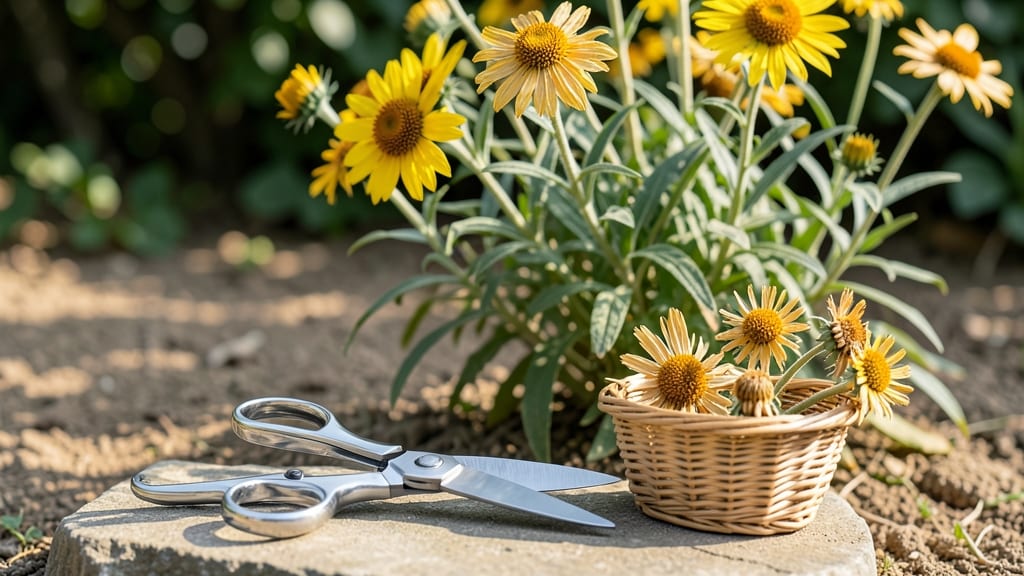
Harvesting strawflower 🌼 at the right moment means capturing their brightest colors and longest-lasting blooms—wait too long, and you’ll end up with droopy, faded stems.
You’ve probably seen these cheerful flowers in arrangements, but did you know the perfect harvest window is narrower than you think? One wrong cut, and those deep papery petals lose their vibrancy before they even dry.
In this guide, I’ll walk you through the three key visual cues that tell you when your strawflowers are ready—plus the best time of day to snip for maximum shelf life.
Skip the guesswork and learn how to harvest for flawless dried bouquets that stay fresh for months, whether you’re preserving them or gifting them to friends.


3 Visual cues to identify when strawflower blooms are ready for harvest
Strawflowers (Helichrysum bracteatum) reach their peak beauty at just the right moment—harvest too early, and they won’t hold their shape; wait too long, and their vibrant colors fade. The key lies in three visual cues that signal perfection.
I’ve learned these through years of experimenting with drying arrangements, and they’ll help you preserve that papery charm for months.
First, focus on the petal development. Unlike many flowers that wilt when overripe, strawflowers actually flatten and crisp at their best. This isn’t wilting—it’s a natural drying process that locks in their color and structure.
The petals should spread out completely, resembling a perfectly pressed flower rather than a tightly closed bud.
Next, examine the color saturation. At harvest time, strawflowers should display their richest hues, whether that’s deep burgundy, golden yellow, or soft pink. If the color looks pale or uneven, the flower hasn’t reached maturity yet.
Overripe blooms, on the other hand, may develop brown edges or lose their vibrancy entirely—a clear sign you’ve missed the window.
The third clue is often overlooked but critical for longevity: the stem firmness. A ready-to-harvest stem should feel slightly woody and dry to the touch, not green or flexible.
This indicates the plant has transferred nutrients to the bloom, ensuring it’ll dry beautifully. If the stem still feels juicy or spongy, give the flower more time.
- 1 Fully Open Petals: Look for flat, papery petals that spread completely—like a perfectly pressed flower. Tightly closed buds or slightly curled edges mean they’re not ready.
- 2 Deep, Vibrant Color: Check for uniform, saturated hues—no pale spots or brown edges. Overripe flowers lose their brightness and develop dull patches.
- 3 Woody Stem: Gently squeeze the stem near the base. It should feel dry and slightly firm, not green or flexible. A flexible stem means the flower needs more time.
- 4 Bonus Cue: Slight Crispiness: The petals may feel slightly crisp to the touch—this is normal and indicates peak drying potential. Avoid harvesting if petals feel soft or sticky.
Pro tip: Harvest in the morning after dew has dried but before the midday heat sets in. This ensures the stems are crisp and the color is most vibrant. I’ve found that morning-harvested strawflowers retain their brightness for weeks longer than those picked in the afternoon.
One common mistake I see is overlooking the stem length. Always leave at least 4-6 inches of stem attached—this provides structural support during drying and ensures your arrangements stay upright and elegant. If you cut too short, the dried flowers may flop or break easily.
To test your timing, try this: After harvesting, hang a small bundle upside-down in a dry, dark place (like a closet) for 1-2 weeks. If the color stays true and the petals remain crisp, you’ve nailed the perfect moment.
If they yellow or wilt, you harvested too early or too late.
Remember, strawflowers are drought-tolerant champions, but their harvest window is brief. Once the first frost hits (around October 31 in most zones), their color and structure degrade rapidly. So mark your calendar and act quickly—your future dried arrangements will thank you!
With these visual cues mastered, you’ll never again wonder when to harvest strawflower. The next time you see those perfectly flat petals and deep, rich colors, grab your shears and preserve that garden magic for months to come. 🌼
Best time of day and season for harvesting strawflowers for maximum longevity
Timing your strawflower harvest is critical for preserving their vibrant color and structural integrity. The morning hours are ideal because dew has evaporated, reducing moisture that can cause mold during drying. Harvesting in the cool morning also means flowers are fully hydrated but not yet stressed by afternoon heat.
Seasonal timing matters just as much. Spring-blooming varieties (like 'Golden Delight') reach peak harvest in late May to June when temperatures are moderate. Summer-blooming types (such as 'Mauve Queen') should be harvested from July through September before fall frosts threaten the plants.
In hot climates, harvest earlier in the season to avoid color fading from excessive heat.
Climate plays a surprising role in drying quality. In humid regions, harvest slightly earlier when relative humidity drops below 60% to prevent blooms from absorbing excess moisture. Conversely, in arid climates, wait until late morning when stems are fully rigid to ensure crisp, long-lasting dried flowers.
For longest-lasting dried flowers, prioritize harvesting when blooms are fully open but before they begin to shed petals. In USDA Zone 6a, aim for August through early October—this window ensures blooms have matured under optimal sunlight while avoiding early frost damage that can discolor stems.
Pro tip: Harvest on clear days when humidity is low. If rain is forecasted within 24 hours, harvest early to prevent blooms from absorbing excess moisture, which can lead to mold during drying.
Always use clean, sharp shears to avoid crushing stems, which compromises water uptake and drying efficiency.
After harvesting, hang stems upside down in a well-ventilated, dark space with 50-60% humidity. This method preserves color vibrancy for up to 2 years, making your strawflowers perfect for everlasting arrangements.
The key? Consistency in timing and environmental control from the moment you cut to the final dried bloom.