
Planting
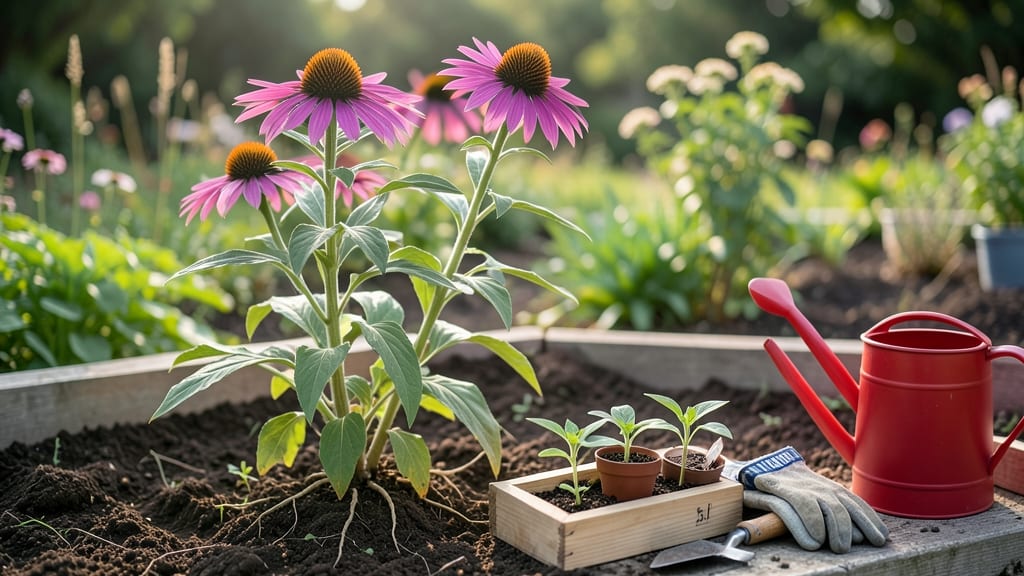
To plant cone flower seeds at the perfect time for long-lasting blooms, aim for early spring or late summer in your zone.
Coneflowers aren’t just beautiful—they’re hardy, drought-tolerant, and attract pollinators all season long. But timing your planting just right is the secret to getting those iconic purple blooms year after year. Plant too early, and frost will stunt growth; too late, and you’ll miss the best flowering window.
In Zone 6a, like many gardeners, the ideal window is March–April after the last frost. But if you live in warmer zones, late summer sowing can give you a second flush of flowers.
Below, I’ll break down the exact schedule for your zone, plus pro tips for starting seeds indoors if you want a head start.
You’ll discover how to adjust for your climate, avoid common germination mistakes, and even extend your blooming season with a simple trick most gardeners miss.
Best planting months for coneflower seeds by USDA zone
Coneflowers thrive when planted at the right time, and your USDA zone determines the perfect window. In colder zones like 3-5, aim for early spring to avoid frost damage, while warmer zones 8-10 can extend planting into late summer for fall blooms.
The key is soil temperature—seeds need at least 60°F (15°C) to germinate reliably.
For most gardeners, spring planting (March–May) is ideal, but late summer (August–September) works too. The difference? Spring-sown seeds bloom the first year, while late-summer seeds wait until next year but often produce longer-lasting flowers in warmer climates. Let’s break it down by zone so you can time it perfectly.
| USDA Zone | Best Planting Window | Soil Temp (°F) | Frost Risk | Bloom Time |
|---|---|---|---|---|
| 3-4 | Late April–May | 60-65°F (15-18°C) | High (plant after last frost) | First year (summer-fall) |
| 5-6 | March–April (or Aug–Sept) | 60-68°F (15-20°C) | Moderate (check frost dates) | First year (spring) or next year (fall) |
| 7-8 | February–March or Aug–Sept | 65-70°F (18-21°C) | Low (rare frost) | First year (spring) or next year (fall) |
| 9-10 | January–February or Aug–Sept | 68-72°F (20-22°C) | None (warm winters) | First year (spring) or next year (fall) |
In Zones 3-4, wait until after the last frost—usually late April or May—to plant coneflower seeds. The soil must be at least 60°F (15°C) for germination, and frost can kill tender seedlings. Use row covers if nighttime temps dip below 50°F (10°C) to protect young plants.
Gardeners in Zones 5-6 have more flexibility. Plant in March–April for first-year blooms or try late summer (August–September) for fall color. The latter method often yields hardier plants that bloom longer in the second year. Always test soil moisture before planting—dry soil delays germination.
For Zones 7-8, you can plant as early as February in mild winters, but aim for March–April to avoid heat stress. Late summer planting (August) is also ideal here, as the longer daylight helps seeds establish before winter. Mulch heavily after planting to retain moisture and regulate soil temperature.
In Zones 9-10, coneflowers grow year-round, but the best times are January–February for spring blooms or August–September for fall displays. These zones rarely see frost, so you can plant anytime the soil is workable.
For container gardening, use well-draining mix and keep pots in partial shade until seedlings are established.
Pro tip: If you’re unsure about frost dates, use a soil thermometer to confirm temperatures. Coneflower seeds won’t germinate below 55°F (13°C), and slow germination invites mold. For extra insurance, start seeds indoors 6-8 weeks before your last frost date and transplant after danger of frost has passed.
Remember, direct sowing is easiest, but starting seeds indoors lets you beat pests and get a head start. Whether you choose spring or fall planting, timing is everything for those vibrant purple blooms you love. 🌼
How to adjust planting time for direct sowing vs. starts indoors
Deciding whether to direct sow cone flower seeds or start them indoors depends on your USDA zone and desired bloom time. Coneflowers thrive with both methods, but each has advantages.
For early blooms, starting seeds indoors gives you a 4–6 week head start, while direct sowing is simpler and works well for hardy varieties.
If you live in Zones 3–5, starting seeds indoors in March (8–10 weeks before last frost) ensures sturdy seedlings ready for transplanting. In Zones 6–10, you can often direct sow after soil warms to 60°F, typically April–May.
The key is balancing frost risk with seedling strength—coneflowers handle transplanting well once roots establish.
- Zone 3–5: Start indoors 8–10 weeks before last frost (March), transplant after soil thaws (May).
- Zone 6–7: Direct sow April–May when soil hits 60°F; or start indoors 6–8 weeks earlier (February–March).
- Zone 8–10: Sow directly March–April; no need for indoors unless extending bloom season.
- Transplant tip: Harden off seedlings 10 days before moving outdoors to avoid shock.
- Late summer option: Direct sow July–August for fall blooms in all zones (except Zone 10).
For direct sowing, wait until soil temperatures stay above 60°F for consistent germination. Coneflowers germinate in 10–21 days under these conditions.
If you’re impatient for blooms, starting seeds indoors in February (for Zones 6–10) or March (for Zones 3–5) lets you transplant hardened-off seedlings into the garden 4–6 weeks earlier than direct sowing.
Use seedling trays with drainage holes and a light potting mix for indoor starts. Keep soil moist (not soggy) and place trays under grow lights or in a south-facing window for 12–14 hours of light daily.
Once seedlings have 2–3 true leaves, begin fertilizing lightly with a balanced 5-10-10 mix every 2 weeks.
When transplanting, choose a cloudy day or evening to reduce stress. Dig holes twice as wide as the root ball and space plants 12–18 inches apart.
Water deeply after planting to encourage root growth. Coneflowers are drought-tolerant once established, but consistent moisture for the first 3 weeks after transplanting ensures strong root development.
Pro tip: If you miss the spring window, don’t worry—coneflowers also thrive when direct sown in late summer (July–August) for fall blooms. This method works in all zones except Zone 10, where year-round planting is possible.
Just ensure seeds have 6–8 weeks of warm weather to germinate before frost arrives.