
Flowers
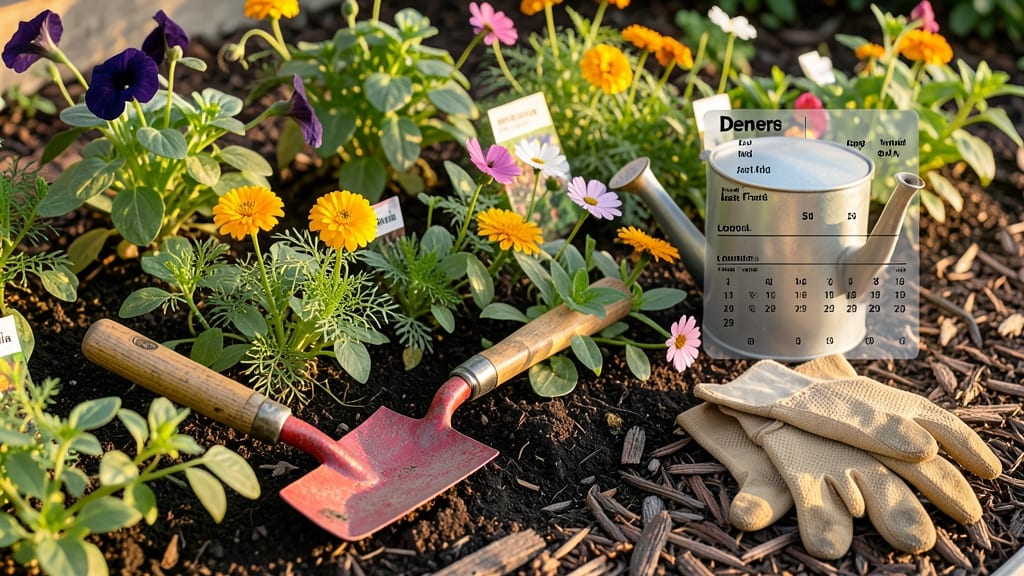
Planting flowers in Denver at the right time means the difference between a vibrant garden and a frost-kissed disappointment—especially in USDA Zone 5b-6a where late frosts linger.
Denver’s unpredictable spring weather can turn your dream garden into a frost-kissed disappointment—unless you master the perfect planting window for flowers in USDA Zone 5. One week too early, and a late frost wipes out your 🌸 marigolds before they bloom.
Too late, and summer heat arrives before your perennials even take root.
Here’s the secret: timing your plantings to align with Denver’s average last frost (April 15–May 15) and microclimates—whether you’re in the city core or the foothills—is the key to success.
But it’s not just about dates; it’s about choosing the right flowers for each season and knowing how to protect them when Mother Nature throws a curveball.
In this guide, I’ll break down the best months to plant flowers in Denver, which varieties thrive despite late frosts, and how to extend your growing season so you can enjoy blooms from spring through fall. Let’s get those 🌸 gardens growing!
Denver’s last frost dates: the critical timeline for planting flowers
Denver’s last frost dates are the backbone of your flower planting schedule, and getting them wrong can mean the difference between a vibrant garden and a frost-killed disappointment.
In USDA Zone 5b-6a, the average last spring frost typically falls between April 15 and May 15, but this window can shift dramatically depending on your Denver microclimate.
Urban areas like Downtown and the Platte Valley often warm up faster, while the foothills and mountain valleys can linger in frost well into May.
For reliable planting timing, I rely on the Old Farmer’s Almanac frost calculator, which accounts for historical trends and 3-year averages. This tool adjusts for your exact location, giving you a personalized frost date that’s far more accurate than generic guidelines.
For example, my garden in South Denver saw its last frost on May 3 in 2023, while a friend in Golden had to wait until May 18—a 2-week difference that could ruin a tender annual like marigolds.
The Almanac’s calculator also factors in first frost dates, which in Denver usually arrive between October 15 and November 1. This is crucial for fall-planted bulbs like tulips and crocuses, which need to establish roots before winter sets in.
Planting too late can leave them vulnerable to freeze damage before they’ve had a chance to harden off.
To use the Almanac’s frost calculator, simply enter your Denver ZIP code and select the “Frost Dates” option. The tool will generate a 10-year average for your area, along with historical extremes (e.g., the earliest last frost on record for your neighborhood).
For example, the Denver Airport (ZIP 80240) has an average last frost of April 28, but in 2017, it didn’t occur until May 12—a delay that caught many gardeners off guard.
If you’re planting heat-loving annuals like geraniums or zinnias, waiting until May 15 gives you a safer buffer against late frosts. However, cold-hardy perennials like coneflowers or black-eyed Susans can often handle light frosts and can be planted as early as April 1 in sheltered microclimates.
Always check the specific variety’s hardiness—some Denver-grown perennials thrive even when nighttime temps dip to 25°F.
For container gardens or urban balconies, microclimates can be even more extreme. A south-facing patio
Best flowers to plant by month in Denver (with frost tolerance guide)
Denver’s USDA Zone 5b-6a climate demands careful timing for flower planting, especially when late frosts can strike until May 15. The key is choosing frost-tolerant varieties and planting them at the right time to ensure vibrant blooms.
For example, 🌸 pansies and 🌼 snapdragons can handle light frosts, while petunias and marigolds need warmer soil to thrive.
Annuals like cosmos and zinnias are perfect for Denver’s short growing season, while perennials such as coneflowers and black-eyed Susans establish roots early and reward you with years of color.
Below, I’ve organized the best flowers to plant each month, along with their frost tolerance and ideal conditions for Denver’s climate.
| Month | Flowers to Plant | Frost Tolerance | Notes |
|---|---|---|---|
| March | Pansies, Snapdragons, Tulips | Moderate | Plant bulbs like tulips; use row covers for extra protection. |
| April | Marigolds, Petunias, Calendula | Low | Wait until soil warms to 50°F+; avoid planting before last frost. |
| May | Zinnias, Cosmos, Black-Eyed Susans | High | Ideal for Denver’s full sun; direct sow after frost risk passes. |
| June | Sunflowers, Dahlias, Lantana | None | Heat-loving annuals; plant after June 1 for best results. |
| August | Asters, Chrysanthemums, Goldenrod | Moderate | Perfect for fall color; plant 6+ weeks before first frost. |
| September | Pansies, Sweet Alyssum, Calendula | High | Cool-season bloomers; plant 4-6 weeks before frost. |
For perennials, focus on planting in April or early May when the soil is workable and frost risk has diminished. Coneflowers and bee balm thrive in Denver’s dry conditions and return year after year.
If you’re eager to start earlier, consider 🌱 starting seeds indoors in March for flowers like petunias or geraniums, then transplant them after the last frost.
Denver’s foothills and urban areas can have microclimates that affect frost timing. For example, areas near South Platte River may warm up faster, while higher elevations in the foothills can stay colder longer. Always check the Almanac’s frost calculator for your specific neighborhood to fine-tune your planting schedule.
Don’t forget about fall planting! Many flowers, like 🌼 asters and 🌸 chrysanthemums, love cooler weather and can be planted in August or September for stunning autumn blooms. These varieties handle Denver’s first frost (mid-October) with ease, giving you color well into fall.
By following this month-by-month guide, you’ll avoid frost damage and enjoy a continuous bloom season from spring through fall. Happy gardening! 🌸