
Flowers
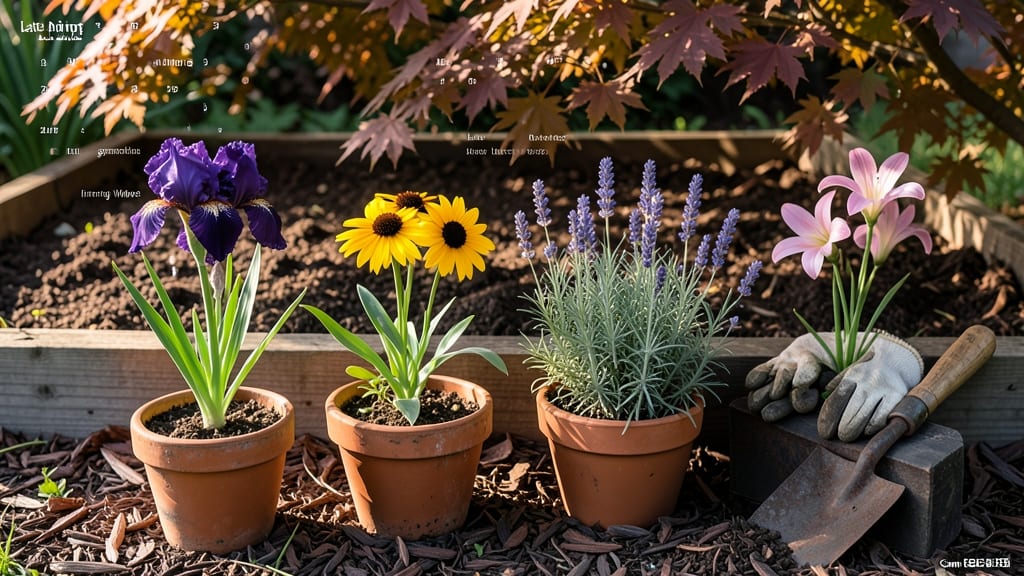
Planting flowers in Ontario after the last frost — typically mid-May — is the key to a showstopping garden 🌸 that thrives all season.
Timing your flower planting in Ontario’s shifting climate can mean the difference between a vibrant garden and a season of disappointment—especially in hardiness zones 5 and 6, where frost lingers unpredictably.
Whether you’re sowing seeds, transplanting seedlings, or tucking in bulbs, getting the timing right ensures your flowers establish strong roots before summer’s heat arrives.
Below, I’ll break down the best months to plant annuals, perennials, and bulbs in Ontario, plus tricks to extend your blooming season no matter where you garden in zones 5-6.
Ontario flower planting calendar by hardiness zone 5-6 months
Ontario’s hardiness zones 5-6 offer a 160-200 frost-free day growing season, making timing everything for successful flower planting. From cold-hardy bulbs in early spring to heat-loving annuals in late summer, each month presents unique opportunities—and challenges—depending on your region’s last frost dates.
In southern Ontario (e.g., Toronto, London), the average last frost date falls around May 10-15, while central Ontario (e.g., Ottawa, Barrie) may see frost lingering until May 20-25. Soil temperatures also play a critical role—most flowers thrive when soil reaches 10°C (50°F), signaling it’s safe to plant.
| Month | Plant Type | Flowers to Plant | Key Notes |
|---|---|---|---|
| March | Bulbs | Tulips, Daffodils, Hyacinths | Plant hardy bulbs 6-8 weeks before last frost for spring blooms. |
| April | Perennials | Peonies, Lavender, Coneflowers | Start cold-hardy perennials in early April if soil is workable. |
| May | Annuals & Perennials | Marigolds, Petunias, Black-Eyed Susans | Wait until after last frost (mid-May in most regions). |
| June | Heat-Loving Annuals | Sunflowers, Zinnias, Cosmos | Ideal for direct sowing after soil warms to 12°C (54°F). |
| July | Fall-Blooming Bulbs | Dahlia Tubers, Crocus, Allium | Plant tender bulbs after July 15 to avoid early frost. |
| September | Cool-Season Annuals | Pansies, Snapdragons, Sweet Alyssum | Sow 6-8 weeks before first frost for fall color. |
For annual flowers, prioritize planting in May and June when daytime temperatures consistently stay above 15°C (59°F). Examples like marigolds and petunias thrive with 6+ hours of sun and well-draining soil, making them ideal for Ontario’s summer gardens.
In May and early June, focus on perennial flowers like black-eyed Susans and bee balm, which establish roots early for robust blooms. These low-maintenance perennials often return year after year, offering longer bloom times with minimal care after initial planting.
Don’t overlook late-summer planting in July and August for heat-tolerant varieties like zinnias and cosmos. These fast-growing annuals provide vibrant color until the first frost, extending your garden’s season effortlessly.
For fall-blooming flowers, September is your last chance to plant cool-season annuals such as pansies and snapdragons. These frost-hardy varieties often survive light frosts, delivering cheerful blooms well into November in milder microclimates.
Always check local frost dates—use row covers or cold frames to protect early plantings if late frosts threaten. In Ottawa, for example, May 20 is a safer bet than May 10 for heat-loving annuals.
Mulch newly planted flowers with 2-3 inches of organic mulch to retain moisture and regulate soil temperature. This simple step reduces watering frequency by up to 30% while protecting tender roots from temperature swings.
Plan ahead for next year’s garden by noting which flowers thrived—and which struggled—based on your region’s unique microclimate. Adjust planting times yearly to account for climate shifts and unpredictable frosts.
How to adjust planting times for Ontario’s unpredictable spring frost
Ontario’s spring frost can strike unexpectedly, even after you’ve planted your cold-sensitive flowers. In hardiness zones 5-6, last frost dates shift yearly, making timing critical. I’ve learned the hard way—my marigolds once wilted overnight after a late April freeze!
The key is knowing your local frost dates and using protective strategies to shield tender plants.
For Toronto gardeners, the average last frost falls around May 15, but it can arrive as late as June 1. In Ottawa, expect frost until May 22, while London’s last frost typically occurs by May 10.
These dates are just averages—always monitor Environment Canada forecasts for real-time updates.
Never plant tender annuals like petunias or geraniums before your local last frost date. Even hardy perennials like coneflowers can suffer if frost hits after new growth emerges. Use row covers or cold frames to buy 2-4°F of protection when early planting is necessary.
To extend your planting window, start with cold-hardy flowers like pansies, snapdragons, and lupines. These varieties tolerate light frosts down to 25°F (-4°C), giving you a head start.
I plant mine in early April under frost cloth, then remove it once nighttime temps stay above 32°F (0°C) consistently.
For row cover techniques, opt for lightweight frost blankets or hoop tunnels to shield seedlings. Secure edges with bricks or soil to prevent wind damage. Remove covers during the day to avoid overheating—plants need sunlight too!
I also use black plastic mulch around warm-season flowers like zinnias to warm the soil faster.
If frost threatens after planting, water your garden deeply the night before. Moist soil retains heat better and protects roots. Group small plants closely to create a microclimate that traps warmth.
My tomato starts survived a late frost this way—clustered under a clear plastic dome with a 5-gallon bucket of water nearby to add humidity.
Don’t wait until the last minute to adjust! Check your local frost dates now and mark your calendar. Even a 2-week delay can mean the difference between wilting seedlings and a lush summer garden.
Start with cold-tolerant varieties, use protective covers, and always have a backup plan—your flowers will thank you! 🌱