
Flowers
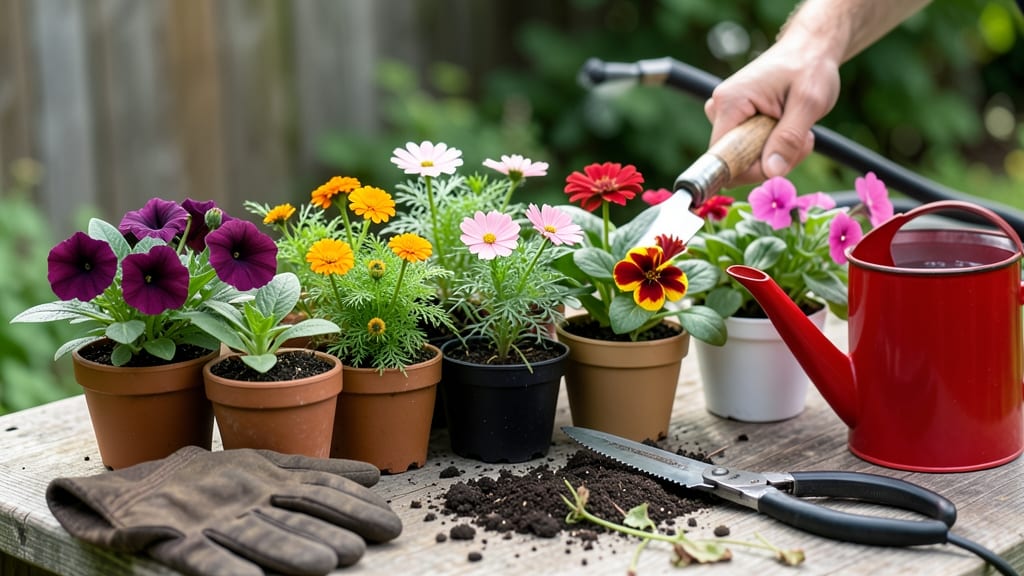
To plant flowers in St. Louis at the right time means timing them with the city’s last frost on April 15 and first frost in mid-October — a window that can make or break your garden’s success.
St. Louis gardeners know timing is everything—plant too early, and frost will kill your blooms; too late, and your flowers may never reach their full potential. With USDA Zone 6’s unpredictable swings between 80°F summers and sub-freezing winters, mastering the perfect planting window ensures vibrant gardens from spring to fall.
Whether you’re planting spring bulbs like daffodils or summer annuals like zinnias, the key is understanding when the soil warms enough to support growth without risking a late freeze. Perennials like coneflowers and daylilies need extra care, while heat-loving varieties like sunflowers thrive when planted after the last frost.
In this guide, I’ll break down the exact planting schedule for St. Louis, including soil prep tips, frost-resistant varieties, and how to adjust for microclimates. By the end, you’ll know when to start seeds indoors, when to transplant, and which flowers to choose for each season.
St. louis flower planting calendar by season: exact dates for annuals and perennials
St. Louis gardeners face a unique challenge: short growing seasons and humid summers that demand precise planting timing. The city’s last average frost date is April 15, while the first frost typically arrives by October 31.
Missing these windows can mean lost blooms or stunted growth. To simplify, I’ve broken down the best planting months for every flower type—from spring bulbs to fall perennials—so you can maximize your garden’s potential.
For annuals, the key is planting 2–4 weeks before the last frost (early March) or after Memorial Day for heat-lovers like zinnias and cosmos. Perennials, however, prefer established roots before summer heat hits, so aim for late March to early May. Bulbs like tulips and daffodils need fall planting (September–October) to naturalize and bloom early next spring.
Spring bulbs like tulips and daffodils are planted in fall (September–October) to take advantage of St. Louis’s cool winter dormancy. These hardy plants push through snow for early spring color, often blooming by April. For annuals, I recommend starting pansies and snapdragons in early March under row covers to protect them from late frosts. These cold-tolerant varieties will reward you with weeks of blooms before summer heat arrives.
When summer annuals like zinnias and cosmos hit the garden by late April, they’ll thrive in the humid heat and continue blooming until first frost.
For perennials, coneflowers and black-eyed Susans planted in early spring (March–April) establish strong roots and rebloom yearly with minimal care. Lavender, a drought-resistant favorite, also prefers spring planting to avoid summer stress.
Fall planting isn’t just for bulbs—astilbes and sedum planted in August will survive winter and burst into color by September. These late-season bloomers extend your garden’s life and attract pollinators when other flowers fade. For winter interest, ornamental grasses and hellebores planted in fall provide texture and structure even when snow blankets the ground.
St. Louis’s microclimates can shift planting times by 1–2 weeks. If you
How to adjust flower planting times for St. louis’s microclimates and soil conditions
St. Louis’s diverse neighborhoods create unique gardening challenges. While the city’s average last frost date is April 15, areas like Clayton and the Hill can experience frost up to 2 weeks later, while South County and affluent suburbs often warm faster due to urban heat islands.
These microclimates mean your planting schedule might need a ±2-week adjustment depending on where you live.
Soil conditions play an equally critical role. St. Louis’s clay-heavy soil drains poorly, leading to root rot if not amended. Meanwhile, container gardens on balconies or patios dry out faster and require different moisture management. Understanding these factors helps you fine-tune your planting strategy for success.
⚠️ WARNING: Microclimates Can Ruin Your Garden! If you plant spring bulbs like tulips or daffodils too early in cooler zones (e.g., Webster Groves or Creve Coeur), they may rot in cold, wet soil. Conversely, planting summer annuals like marigolds too late in hotter areas (e.g., South County) can stress them before they establish roots. Use these guidelines to adjust your schedule:
- Cooler zones (Clayton, Chesterfield): Delay planting by 1–2 weeks
- Urban heat islands (South County, Affton): Plant 1–2 weeks earlier
- Clay soil: Amend with compost or use raised beds
- Containers: Water daily and use fast-draining mixes
For container gardening, choose compact varieties like pansies or petunias, which thrive in pots and tolerate St. Louis’s heat better than larger plants. Use lightweight, well-draining potting mix to prevent root suffocation, and place containers in south-facing spots for maximum sunlight.
Extend your growing season with row covers or cold frames. These tools protect tender plants from late spring frosts or early fall chills. For example, zinnias or cosmos planted in late May can bloom until October if covered during unexpected cold snaps.
Monitor your local weather and adjust protection as needed.
Test your soil’s drainage and pH before planting. St. Louis’s clay soil often tests 6.0–7.0 pH, which is ideal for most flowers, but adding organic matter like compost improves structure. For acid-loving plants like azaleas, amend with peat moss or sulfur to lower pH slightly.
If you’re unsure about your microclimate, observe your garden for a season. Note when neighborhood plants bloom or when frost occurs. Adjust your schedule yearly based on these observations. With these tips, you’ll maximize your flowers’ potential regardless of where you garden in St. Louis.