
Flowers
To plant flowers in Wisconsin, time your spring and fall windows precisely—after the last frost in April-May or before the first chill in September-October—or risk losing your blooms to early freezes.
Wisconsin’s short but vibrant growing season demands precision, and getting the timing wrong means watching your hard work wither before it even takes root.
Whether you’re planting sun-loving coneflowers or delicate pansies, the difference between a thriving garden and a frost-killed disappointment often comes down to just a few weeks.
In this guide, I’ll break down the exact planting schedule for USDA Zones 4-5, including when to start seeds indoors, when to transplant, and how to adjust for Wisconsin’s unpredictable weather.
You’ll also learn which hardy perennials and annuals can handle late starts—and how to stretch your blooms into fall.
Ready to turn your Wisconsin garden into a season-long showstopper? Let’s get those flowers in the ground at the perfect moment for your zone.
Wisconsin flower planting calendar by season: exact dates for annuals and perennials
Wisconsin's USDA Zones 4-5 mean your flower planting window is short but sweet—typically 140-180 frost-free days between mid-April and mid-October. Miss the mark, and frost will nip tender blooms before they shine.
I’ve broken down the exact planting dates for annuals, perennials, and bulbs to ensure your garden bursts with color from spring to fall.
First, mark your calendar for Wisconsin’s average last frost dates: April 15 in southern regions (like Milwaukee) and May 1 in northern areas (like Green Bay). For first frost, expect mid-October in the south and early October in the north.
These dates are your planting guardrails—plant too early, and frost will kill young plants; too late, and blooms won’t mature before winter.
Annuals like petunias and marigolds need warmth to germinate, so wait until after May 15 in most of Wisconsin. Perennials, however, are hardier and can go in as early as April 1 once soil is workable (60°F+). Bulbs like tulips and daffodils should be planted in fall (September-October) to establish roots before winter dormancy.
🌱
For annuals, my go-to petunias and zinnias thrive when planted in late May to early June. These heat-lovers need all summer to mature, so don’t rush—wait until soil temperatures hit 55°F+. Use black plastic mulch to warm the soil faster in cooler northern Wisconsin regions.
Perennials like coneflowers and black-eyed Susans are my workhorses—they bloom reliably year after year with minimal fuss. Plant them in early spring (April) as soon as the ground is workable. If you missed spring, fall planting (September) is your second chance, especially for spring-blooming varieties like peonies.
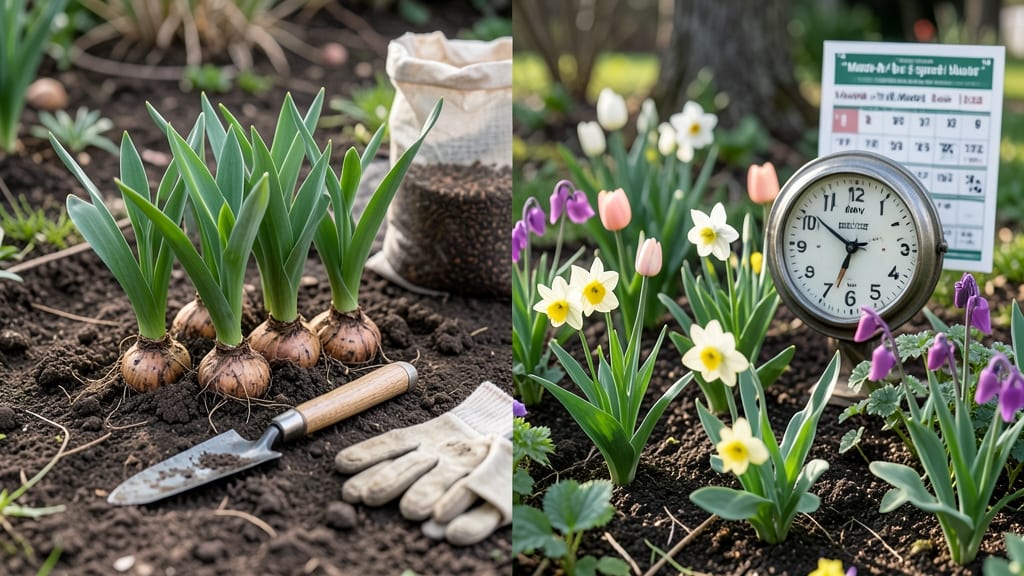
Don’t overlook bulbs! Tulips and daffodils need 6-8 weeks to root before winter, so plant them between September 1 and October 15. In Zone 4 (northern WI), aim for early September to avoid early frosts. For hardier bulbs like alliums, you can push planting to mid-October.
Pro tip: Use row covers or cold frames to extend your growing season. I’ve successfully bloomed pansies into December by covering
How to adjust planting times for Wisconsin’s microclimates and soil conditions
Wisconsin’s diverse microclimates—from the cool lakeside regions of the north to the warmer southern valleys—can shift your planting window by weeks. Even within a single county, urban heat islands and rural wind exposure create micro-zones that demand custom timing.
For example, Milwaukee’s Zone 5b might support late May plantings, while Duluth’s Zone 4a requires mid-June starts for the same varieties.
Soil type plays an equally critical role: Clay-heavy soils in southern Wisconsin (like in Madison) hold moisture longer, allowing earlier spring plantings, while sandy soils in northern areas (such as Wausau) dry out faster, often delaying starts by 2-3 weeks.
Even urban gardens with compacted soil or raised beds may need adjustments—like adding organic matter to improve drainage or warmth.
- 1. Northern Wisconsin (Zones 4a-4b): Delay spring plantings by 2-3 weeks (aim for late May) due to colder soils and shorter frost-free seasons. Use black plastic mulch to warm soil 2-3°F faster for early starts.
- 2. Southern Wisconsin (Zones 5a-5b): Plant 2-4 weeks earlier (early April-May) for annuals like petunias and marigolds. Perennials (e.g., coneflowers) can go in as early as late March if soils aren’t frozen.
- 3. Clay soils: Amend with compost or sand to improve drainage before planting. Sandy soils: Mix in peat moss or coconut coir to retain moisture. Both adjustments can extend planting windows by 1-2 weeks in spring/fall.
- 4. Urban vs. rural: Urban areas (e.g., Madison) may experience heat islands that allow earlier spring or later fall plantings. Rural areas with wind exposure (e.g., Barron County) need windbreaks or microclimate protection to avoid transplant shock.
- 5. Cold-hardy hacks: Use row covers or cold frames to plant 4-6 weeks earlier in spring. For fall, choose hardy annuals (e.g., pansies) and mulch heavily to delay frost damage by 2-3 weeks.
To further fine-tune your schedule, test your soil’s warmth by pressing your hand into the ground—if it feels cooler than 60°F, wait another week.
In northern Wisconsin, I’ve seen black-eyed Susans thrive when planted in early June with row covers, while southern gardens can safely tuck in tulip bulbs as early as late September.
For extended fall blooms, focus on cold-tolerant perennials like sedum or Russian sage, which handle light frosts and often rebound in spring. In urban containers, use heat-absorbing pots (like black plastic) to keep roots warm and push planting dates 1-2 weeks earlier.
Pro tip: Monitor your local Wisconsin State Climatology Office for frost advisories—these updates can help you shift planting by days to avoid unexpected freezes. With these adjustments, your Wisconsin garden can bloom longer and thrive harder despite the climate challenges. 🌿