
Plants
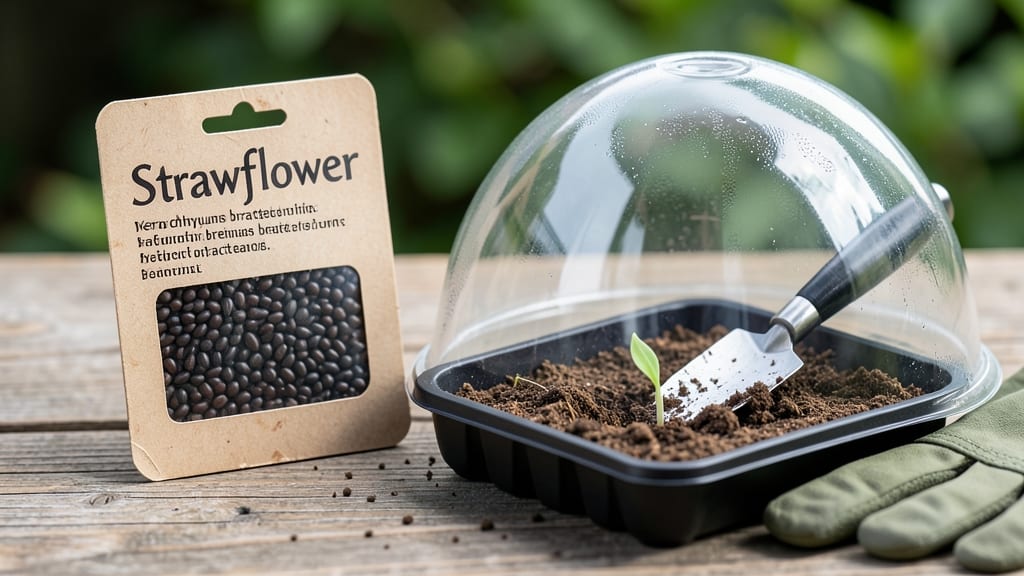
To plant strawflower seeds at the perfect time for vibrant blooms, aim for April to May after your last frost date — this ensures they thrive in USDA Zone 6a and beyond.
Strawflowers (Helichrysum bracteatum) are a gardener’s secret weapon for long-lasting, vibrant blooms—but timing your planting just right is the key to unlocking their full potential.
Too early, and frost will nip tender seedlings; too late, and you’ll miss out on summer’s peak bloom season. The good news? These hardy flowers adapt well to most climates, making them a great choice for both cool and warm regions.
In this guide, I’ll break down the ideal planting windows by zone, share pro tips for adjusting timing, and help you avoid common mistakes that can delay those stunning 🌼 displays.
USDA zone planting calendar for strawflower seeds by region
Strawflowers (Helichrysum bracteatum) thrive when planted at the right time, but their ideal planting window varies dramatically across USDA zones 3-11. Unlike frost-sensitive annuals, strawflowers tolerate light frosts but need warm soil (at least 60°F) to germinate properly.
Let’s break down the perfect month-by-month schedule for your region to ensure vibrant blooms from summer through fall.
In northern zones (3-6), where winters are harsh, strawflowers should be sown 4-6 weeks before your area’s last frost date—typically late April to early May. Meanwhile, gardeners in southern zones (7-11) can start seeds as early as February to avoid summer heat stress.
The key is aligning planting with soil warmth and daylight length, not just calendar months.
Below is your customized planting calendar, including optimal soil temps, frost-free windows, and bloom timing for each zone. Use this as your roadmap to success—whether you’re a beginner or a seasoned pro!
| USDA Zone | Planting Window | Soil Temp (°F) | Frost-Free Date | Bloom Time | Key Tip |
|---|---|---|---|---|---|
| 3-4 | Late May - Early June | 60-65°F | Mid-May | August - October | Use row covers for early starts |
| 5-6 | April - May | 60-65°F | Early May | July - September | Direct sow after last frost |
| 7-8 | March - April | 55-60°F | Mid-March | June - October | Avoid summer heat stress |
| 9-10 | February - March | 50-55°F | January | May - November | Start indoors for earlier blooms |
| 11 | Year-round (best: Oct-Feb) | 45-50°F | None | March - December | Shade cloth for summer protection |
For USDA zones 3-4, patience is key—these regions have the shortest growing seasons, so wait until mid-May to sow seeds directly into the garden. The soil must stay above 60°F for 7+ days to prevent rot and ensure consistent germination.
Use black plastic mulch to warm the soil faster if needed.
Gardeners in zones 5-6 enjoy the sweet spot for strawflowers, with long, reliable summers. Plant seeds 4-6 weeks before your last frost date (usually April) for July blooms.
If you’re eager for earlier flowers, start seeds indoors in March under grow lights and transplant after soil warms.
In warmer climates (zones 7-11), strawflowers can be planted year-round, but timing matters to avoid heat stress. In zone 9-10, sow seeds in February-March for spring blooms, then again in August for fall color.
For zone 11, plant in fall or winter to escape intense summer heat.
Pro tip: Use a soil thermometer to confirm germination-ready temps. Strawflower seeds won’t sprout below 55°F, so don’t rush—wait for the perfect conditions to set your plants up for success. A little patience now means months of stunning blooms later!
Once your strawflowers are planted, they’ll reward you with drought-tolerant beauty that lasts weeks in vases. For extended blooms, try succession planting every 3-4 weeks in zones 5-10. This ensures continuous color from summer through frost.
Need more help? Check your local frost dates using the USDA Plant Hardiness Zone Map and adjust your planting schedule accordingly. With the right timing, your strawflowers will outshine the competition—and your neighbors will be green with envy! 🌼
How to adjust strawflower planting time for extended blooms
Strawflowers thrive on consistent blooms, but their natural seasonal cycle can be extended with smart planting strategies. By adjusting timing, you can enjoy continuous color from summer through fall. The secret lies in staggered plantings and understanding your local climate patterns.
In northern climates (USDA zones 3-7), frost dates dictate your planting windows. Southern gardeners (zones 8-11) have more flexibility but must watch for summer heat stress. Both regions benefit from succession planting—spreading out sowing dates to create overlapping bloom cycles.
- 1
- 2
- 3
- 4
For longer vase life, prioritize late summer plantings in cooler regions. These plants will bloom just as fall temperatures drop, extending your display into November. In warm climates, focus on spring and fall plantings to avoid heat stress during germination.
Monitor soil temperatures—ideal germination occurs at 60-70°F. Use a soil thermometer to time plantings perfectly. If your soil runs too cool, opt for container growing where you can control warmth with black plastic mulch or heated seedling mats.
Remember: Less is more with strawflowers. Overcrowding leads to smaller blooms and poor air circulation. Space seeds 12-18 inches apart and thin seedlings to prevent competition. This simple adjustment ensures healthier stems and longer-lasting bouquets.
With these timing adjustments, your strawflowers will reward you with months of color instead of just a few weeks. The key is planning ahead and adapting to your microclimate—whether you're battling northern frosts or southern heat.