
Companion Plants
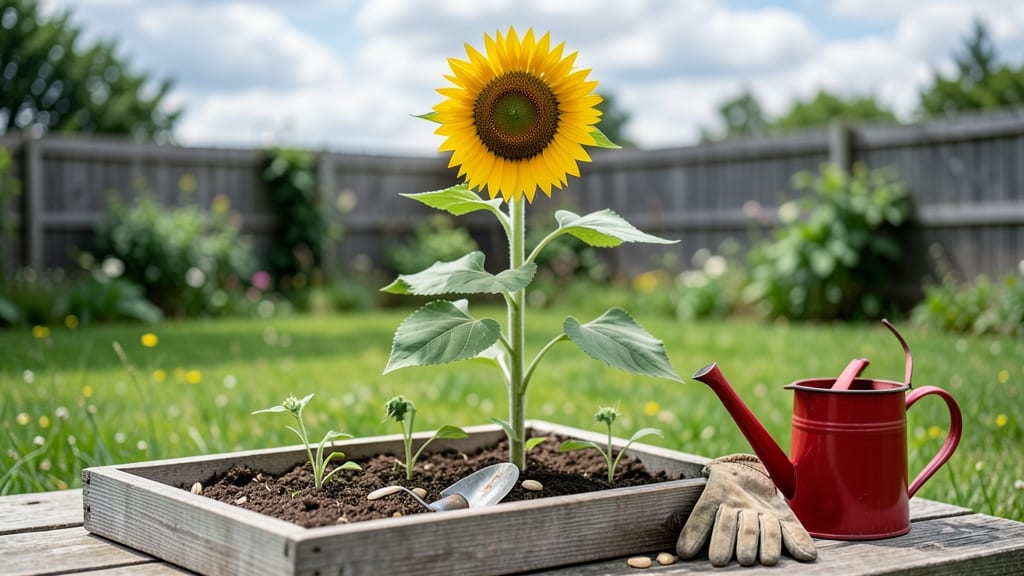
Planting sunflower seeds in Southern California means you can grow those towering 🌻 blooms almost any month of the year—but the right timing makes all the difference for fast, healthy growth.
Southern California’s warm climate lets you grow sunflowers year-round—but timing is everything for those iconic towering blooms that attract pollinators and brighten your garden.
Whether you’re in coastal Santa Barbara or the inland desert, spring and fall are the sweet spots: March through May for summer blooms or September through October for winter color.
Below, I’ll break down the best months for your microclimate, soil prep tips, and how to stretch your sunflower season with succession planting for continuous blooms.
Best months to plant sunflower seeds in Southern California’s climate zones
Southern California’s unique microclimates mean your sunflower planting schedule should vary between coastal areas and inland valleys. While coastal regions like San Diego enjoy mild winters, inland zones like the Central Valley can experience cooler nights—both affect your sunflower growth timeline.
Since frost is rare but possible in inland areas, timing matters for optimal bloom size and heat tolerance. Let’s break down the best planting windows for each zone to ensure those iconic 10-foot stems thrive year-round.
For coastal Southern California (USDA zones 9b-10a), you can plant sunflower seeds almost year-round, but spring and fall are ideal. The cooler coastal breezes extend your growing season, while inland areas benefit from earlier spring planting to avoid summer heat stress.
Most varieties mature in 70-90 days, so align your planting with peak bloom periods—typically June through October for spring plantings and December through February for fall plantings.
Here’s your customized planting guide for Southern California’s two main climate zones, including soil temperature, heat tolerance, and watering adjustments to maximize your sunflowers’ potential.
| Zone | Best Planting Months | Soil Temp (°F) | Heat Tolerance Tip | Watering Adjustment |
|---|---|---|---|---|
| Coastal (e.g., LA, San Diego) | Feb–Mar, Sep–Oct | 60–75°F | Use heat-resistant varieties like 'Moulin Rouge' | Water bi-weekly (cooler temps) |
| Inland Valleys (e.g., Central Valley) | Mar–Apr, Aug–Sep | 65–80°F | Plant dwarf varieties for summer | Water daily in peak heat (100°F+) |
| Desert (e.g., Palm Springs) | Oct–Nov, Feb–Mar | 70–85°F | Avoid midday heat (plant in shade cloth) | Water every 3–4 days (deep soak) |
| All Zones (Succession Planting) | Every 4–6 weeks | N/A | Choose fast-maturing varieties (50–60 days) | Mulch to retain moisture |
In coastal zones, you can start seeds as early as February for spring blooms or September for winter color. The milder temperatures reduce heat stress, but wind exposure can stunt growth—consider windbreaks or container gardening if needed.
For inland valleys, wait until March or April to avoid cool nights that delay germination. If planting in summer, opt for dwarf varieties like 'Teddy Bear' to handle 100°F+ heat better.
For desert regions, timing is critical—plant in fall or early spring to avoid scorching midday sun. Use shade cloth for young seedlings and mulch heavily to prevent soil temperature spikes.
A drip irrigation system is ideal here, as it delivers consistent moisture without wetting leaves, reducing fungal risks in the dry heat.
Pro tip: Succession planting every 4–6 weeks ensures continuous blooms from spring through fall. For example, plant a batch in March, another in May, and a final one in August to enjoy sunflowers year-round.
This works especially well in coastal areas, where mild winters allow for fall plantings that bloom in December and January.
Watch for heat stress signs like yellowing leaves or drooping stems—these indicate it’s time to increase watering or
How to extend your sunflower growing season in Southern California
Southern California’s long growing season and mild winters make it possible to enjoy sunflowers nearly year-round—but with the right strategies, you can maximize their bloom time from early spring to late fall.
The key lies in succession planting, heat-resistant varieties, and smart shade management to protect young plants from intense afternoon sun.
Unlike northern climates, Southern California’s USDA zones 9b-10a mean no frost to worry about, but heat stress and drought conditions can still limit your sunflower’s potential.
By planning your plantings in 3-4 week intervals and choosing the right varieties, you can create a continuous display of vibrant blooms that attract bees and butterflies month after month.
- 1
- 2
- 3
- 4
- 5
For spring plantings, begin your first batch in late February to early March when soil temperatures reach 55°F. This gives you blooms by May or June, just in time for summer’s peak heat.
Then, every 3 weeks, sow another batch—this ensures you’ll always have fresh blooms while older ones provide seeds for birds and pollinators.
When summer arrives, heat tolerance becomes critical. Varieties like 'Autumn Beauty' or 'Moulin Rouge' thrive in 90°F+ temperatures and produce bold, multicolored blooms even when other plants wilt. Pair these with shade cloth for seedlings to give them time to establish strong roots before facing full sun.
Don’t overlook fall plantings—they’re your secret to winter interest. While frost is rare, inland areas may see light freezes, so plant your last batch in late September and use row covers if nights dip below 40°F.
You’ll be rewarded with cheerful blooms through December, long after most gardens have gone dormant.
Pro tip: Companion planting with basil or marigolds not only deters pests but also extends your sunflower’s lifespan by improving soil health. With these strategies, your sunflowers can brighten your garden for nearly 10 months—a true Southern California superpower! 🌻