
Flowers
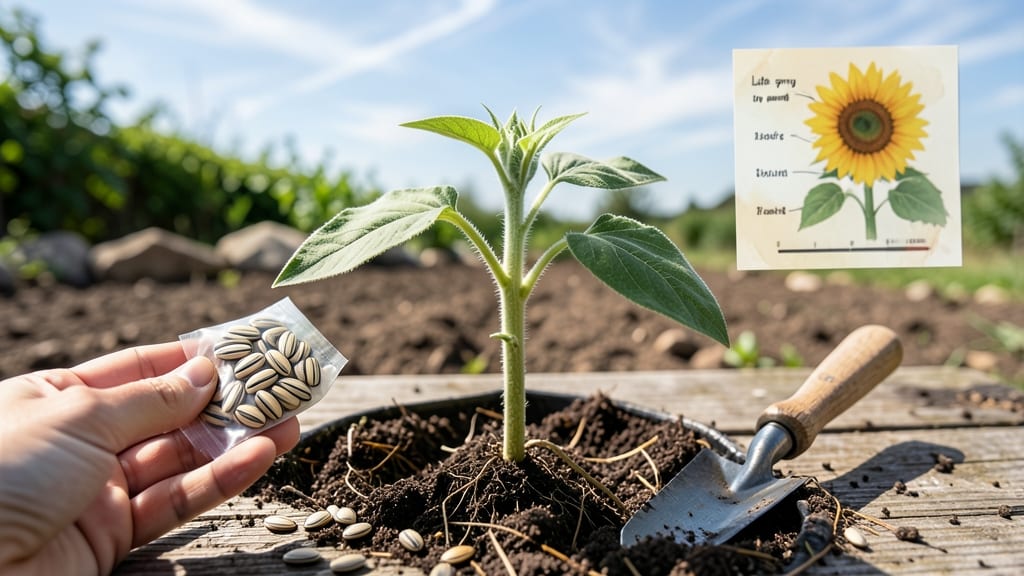
Planting sunflowers in California at the right time means the difference between towering 🌻 blooms and sad, stunted stems—especially when your region’s microclimate is as varied as its landscapes.
Sunflowers thrive in California’s diverse climates—but planting them at the wrong time can mean wilted dreams instead of vibrant displays. From coastal fog to desert heat, timing is everything for maximizing growth and peak blooms.
Coastal areas like San Francisco (USDA Zone 10a) can plant year-round, while inland valleys (Zone 9a) need to avoid extreme summer heat. Even the shortest frost-free window can throw off your schedule if you’re not prepared.
Below, I break down the best months to plant by region, how to adjust for unpredictable weather, and which sunflower varieties will give you the biggest (or most manageable) blooms in your microclimate.
California sunflower planting timeline by region (coastal vs. desert vs. valley)
California’s diverse microclimates create three distinct sunflower planting zones, each with unique temperature thresholds and bloom windows. Coastal areas enjoy year-round growing potential, while desert regions demand precise summer timing.
The Central Valley offers a middle ground with extended warm seasons. Understanding these differences ensures your sunflowers reach their maximum height potential—from 2-foot dwarfs to 16-foot giants.
Sunflowers thrive when planted after soil temperatures reach 50°F+, but California’s last frost dates vary wildly. Coastal areas like San Francisco rarely see frost, while inland Sacramento may experience light freezes in December-January.
Desert regions like Palm Springs face extreme summer heat, requiring early spring or late fall planting to avoid heat stress.
Here’s how to align your planting schedule with California’s three key microclimates for optimal bloom periods and seed production:
| Region | Best Planting Window | Last Frost Date | Heat Tolerance Threshold | Ideal Bloom Period |
|---|---|---|---|---|
| Coastal (e.g., San Francisco, Santa Barbara) | Year-round (best: Feb–May) | None (USDA Zone 10a) | Up to 90°F (cooler nights preferred) | Spring–Fall (peak: May–Sept) |
| Desert (e.g., Palm Springs, Joshua Tree) | Feb–March or Sept–Oct | None (USDA Zone 10b–11) | Below 100°F (avoid summer heat) | Spring (March–May) or Fall (Sept–Nov) |
| Central Valley (e.g., Sacramento, Fresno) | March–April or Aug–Sept | Dec 15–Jan 15 (light frost risk) | Up to 95°F (avoid peak summer) | Spring (May–July) or Fall (Sept–Oct) |
For coastal gardeners, sunflowers can bloom year-round thanks to mild winters and cool summers. Plant dwarf varieties like ‘Teddy Bear’ in February for spring blooms, or sow ‘Russian Giant’ in April for summer height records.
The cooler coastal fog actually helps prevent heat stress, making it ideal for tall varieties.
In desert regions, timing is critical to avoid 110°F+ temperatures. Plant early spring (February–March) for spring blooms before heat arrives, or opt for fall planting (September–October) to enjoy autumn flowers.
Use mulch to retain moisture and shade cloth during extreme heat. Drought-tolerant varieties like ‘Autumn Beauty’ thrive here with minimal water.
The Central Valley offers the longest growing season, but late spring heat can cause bolting. Start seeds indoors in February and transplant after last frost (typically mid-March). For a second bloom cycle, plant late summer (August) with fast-maturing varieties like ‘ProCut’ to harvest seeds before winter.
Pro tip: Soil temperature matters more than air temperature. Use a soil thermometer to confirm 50°F+ before planting. In cooler coastal areas, black plastic mulch can raise soil temps by 5–10°F, accelerating germination. For desert plantings, wait until evening temps drop below 85°F to reduce transplant shock.
Adjust your watering schedule based on region: Coastal sunflowers need 1–2 inches weekly, while desert varieties thrive on deep watering every 10–14 days. In the Central Valley, drip irrigation prevents leaf diseases common in high humidity.
Always water at the base of plants to keep foliage dry.
With the right planting timeline, your sunflowers will reward you with vibrant blooms and abundant seeds. Whether you’re chasing coastal fog, desert sunsets,
How to adjust sunflower planting for California’s unpredictable weather patterns
California’s weather can shift from coastal fog to 100°F heatwaves in days, making sunflower planting a delicate balance. Unlike predictable climates, here you need flexible strategies to protect tender seedlings and maximize blooms.
The key? Preparing for frost pockets, sudden downpours, and intense summer drought—all while keeping your sunflowers thriving.
I’ve learned the hard way that planting sunflowers in early spring without hardening seedlings can lead to stunted growth when temperatures spike. Meanwhile, late-season rains in fall can rot seeds before they germinate.
The solution? A multi-step approach that includes soil conditioning, gradual seedling acclimation, and backup planting dates tailored to your microclimate.
⚠️ callout warning ⚠️
🌡️ California’s Hidden Risks
❄️ Frost pockets: Even in Zone 10a, inland valleys can drop to 32°F overnight. ⚠️ Plant no earlier than 2 weeks after last frost—or use row covers for seedling protection.
🌪️ Heatwaves: Soil temps above 90°F can kill seeds before germination. ⚠️ Wait until soil is 50°F+ (use a soil thermometer) and water deeply at dusk to cool roots.
🌧️ Late rains: Fall showers can drown seeds in well-draining soil. ⚠️ Plant backup batches 4–6 weeks later if spring rains linger.
Start by amending your soil with compost and perlite to improve drainage—a must for California’s clay-heavy soils in the Central Valley. I mix in aged manure for nutrients and top with 2 inches of mulch to retain moisture during summer droughts.
For coastal areas, focus on well-draining mixes to prevent root rot from winter rains.
Hardening seedlings is non-negotiable. Begin by placing trays outside for 2–3 hours daily 1 week before transplanting, gradually increasing to full sun exposure. I’ve seen delicate seedlings collapse when moved too quickly—acclimate them slowly over 7–10 days.
For high-altitude valleys, extend this to 2 weeks to account for cold nights.
Create a backup planting schedule using succession planting. In coastal zones, sow seeds every 2 weeks from March to July for continuous blooms. Inland gardeners should avoid June planting due to extreme heat—opt for late August instead.
I’ve had success with ‘Autumn Beauty’ varieties, which tolerate cooler fall temps better than standard types.
Monitor local weather forecasts and adjust watering accordingly. During heatwaves, water deeply every 2–3 days at dawn to prevent bolting (premature flowering). In foggy coastal areas, reduce watering to once weekly—overwatering leads to yellowing leaves and fungal diseases.
A drip irrigation system keeps roots consistently moist without wasting water.
With these adjustments, you’ll beat California’s weather and enjoy vibrant sunflowers from spring to fall. The secret? Flexibility—stay ahead of the forecast, harden seedlings properly, and plant backups to ensure your garden stays blooming despite the chaos. 🌻