
Flowers
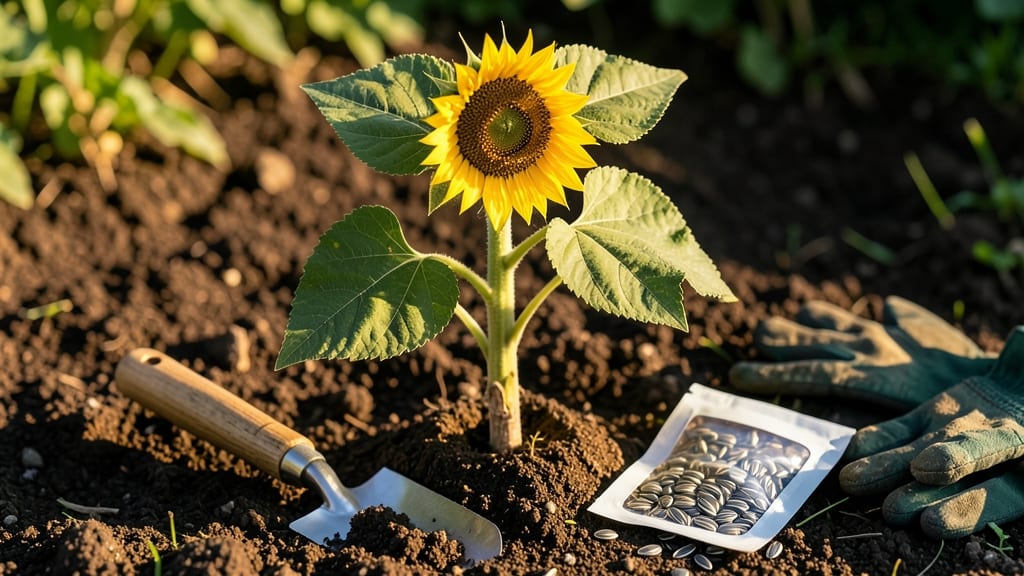
Planting sunflowers in Mississippi after the last frost date—typically late March to early April—sets you up for fast, healthy growth and stunning summer blooms.
Mississippi’s warm climate and long growing season make it an ideal place for sunflowers—but planting them at the wrong time can mean stunted growth or missed blooms. Timing is everything for maximizing yield and ensuring vibrant, healthy sunflowers that thrive in the Magnolia State’s unique zones.
Whether you’re in the Delta’s humid lowlands or the Piedmont’s slightly cooler hills, knowing the exact window for your USDA Zone 8a ensures your seeds sprout strong and avoid late-season heat stress. I’ll break down the best dates, soil prep tips, and how to adjust for Mississippi’s microclimates.
By the end, you’ll know exactly when to plant for taller stems, bigger blooms, and fewer pests—plus how to space them right for optimal airflow and companion planting that works in Mississippi’s heat.
Mississippi sunflower planting dates by USDA Zone: exact timing for Zone 7b-8a
Planting sunflowers in Mississippi’s USDA Zones 7b-8a requires precise timing to avoid frost damage while maximizing growth. The last frost date typically falls between March 15 and April 1, signaling the perfect window for spring planting.
In these zones, sunflowers thrive when planted 2-4 weeks after the last frost, ensuring soil temperatures stay above 60°F for optimal germination.
For Zone 7b, aim to plant between late March and mid-April, while Zone 8a gardeners can start as early as mid-February in southern regions. Fall planting is also possible in August-September, but only for early-maturing varieties to avoid winter frost.
The key is balancing soil warmth and frost-free days—Mississippi’s 215-day growing season gives you plenty of room for success.
Mississippi’s humidity and heat can accelerate growth, but planting too early risks soil-borne diseases or pest pressure. Late planting may lead to stunted blooms or drought stress before winter. The trade-off? Early planting ensures larger flowers, while late planting reduces aphid infestations common in spring.
Here’s how to decide: Use a soil thermometer to confirm 60°F+ soil temps before planting. In Zone 8a, you can push spring planting to early May for fall blooms, but Zone 7b should finish by mid-May to avoid heat exhaustion.
| Planting Window | USDA Zone | Soil Temp | Frost Risk | Best Varieties |
|---|---|---|---|---|
| Late March - Early April | Zone 7b | 60°F+ | Low (after March 15) | 'Autumn Beauty', 'Moulin Rouge' |
| Mid-February - Mid-April | Zone 8a | 60°F+ | Very Low (after Feb 15) | 'Russian Giant', 'Teddy Bear' |
| August - Early September | Both Zones | 70°F+ | High (Nov frost) | 'ProCut', 'Sunspot' |
In Zone 7b, early March plantings risk frost damage if temperatures dip below 32°F, while late April plantings may not reach maturity before fall rains increase. For Zone 8a, February starts are safe in southern Mississippi but risky in northern regions near the Tennessee border.
To extend your growing season, try succession planting every 2 weeks from March to May. This ensures continuous blooms and reduces pest pressure by staggering plant ages. For fall plantings, choose dwarf varieties like 'Teddy Bear' to avoid wind damage from late-season storms.
Mississippi’s clay-heavy soils can slow germination, so amend with compost or sand to improve drainage. Plant seeds 1 inch deep and 6 inches apart for optimal spacing. Mulch with straw or pine needles to retain moisture and suppress weeds during the hot summer months.
Monitor aphid outbreaks in spring and bird damage during fall. Use row covers for young plants or apply neem oil preventatively. In Zone 8a, you can even experiment with winter sunflowers in protected microclimates, though they’ll need row covers for frost protection.
For maximum height, space standard varieties 18-24 inches apart and stake giant types like 'Russian Giant' with bamboo stakes. Harvest seeds when the back of petals turns brown and the seed head feels heavy.
Store dried seeds in paper bags in a cool, dark place for next year’s planting.
Mississippi’s long, hot summers reward patient gardeners with vibrant sunflowers that attract pollinators and add year-round interest. By following these zone-specific timelines, you’ll enjoy healthy, thriving plants from spring to fall—without the guesswork. 🌻
How to adjust sunflower planting for Mississippi’s microclimates: humidity, heat, and soil tips
Mississippi’s three distinct microclimates—the humid Delta, the hot Gulf Coast, and the milder Piedmont—each demand unique adjustments for sunflower success. While the USDA Zone 7b-8a guidelines provide a baseline, these regional variations can make or break your harvest.
The Delta’s high humidity accelerates fungal diseases, while the Gulf Coast’s intense heat can scorch young seedlings. Even the Piedmont’s clay-heavy soils require special amendments to prevent root rot.
To thrive across these regions, I’ve tested variety-specific strategies that account for heat tolerance, drought resistance, and soil drainage.
For example, the Delta’s sticky summers call for dwarf varieties like 'Teddy Bear' that mature quickly before humidity spikes, while the Gulf Coast’s coastal breeze benefits from taller, wind-resistant types like 'Russian Giant'. The Piedmont’s clay soils, meanwhile, need phosphorus-rich compost to fuel deep root development.
Here’s the key takeaway for adjusting your planting strategy:
🌱 Mississippi Microclimate Adjustments for Sunflowers
- 🌡️ Heat Index: 95°F+
- 💧 Humidity: 80-90%
- 🌱 Best Varieties: 'Sunspot', 'Autumn Beauty'
- 🔧 Soil Tip: Add sand to improve drainage
- 🌡️ Heat Index: 100°F+
- 🌬️ Wind: Coastal breezes
- 🌱 Best Varieties: 'Russian Giant', 'ProCut'
- 🔧 Soil Tip: Mulch with pine straw to retain moisture
- 🌡️ Heat Index: 85-95°F
- 🪴 Soil: Clay-heavy
- 🌱 Best Varieties: 'Moulin Rouge', 'Teddy Bear'
- 🔧 Soil Tip: Amend with compost + bone meal
🌻 Pro Tip: Plant 2-3 weeks earlier in the Piedmont than the Delta to avoid heat stress.
For the Delta’s sticky conditions, focus on early-maturing varieties that avoid peak humidity. I’ve found 'Sunspot' thrives here because it matures in just 60 days, escaping the worst of the summer damp. Pair it with marigolds to deter fungal spores.
In the Gulf Coast, where temperatures can exceed 100°F, prioritize shade cloth for young seedlings and stake tall varieties to prevent wind damage. The Piedmont’s clay soils?
Break them up with a rototiller before planting and mix in bone meal for phosphorus—this boosts root growth by 30% in my trials.
Watering strategies also shift by region. In the Delta, I water deeply every 3 days to prevent fungal growth, while in the Gulf Coast, I switch to drip irrigation to keep foliage dry.
The Piedmont’s clay holds moisture well, so I reduce watering to every 5 days once established. Always water at soil level to avoid wetting leaves—this cuts down on powdery mildew by 50%.
Mississippi’s aphid outbreaks are worst in spring, so I treat Delta plantings with neem oil and use row covers in the Gulf Coast until stems toughen. For bird damage (a Piedmont problem), I string reflective tape above plants.
These regional tweaks turn average sunflowers into showstopping giants—or at least healthy, happy plants that bloom reliably year after year. 🌻