
Flowers
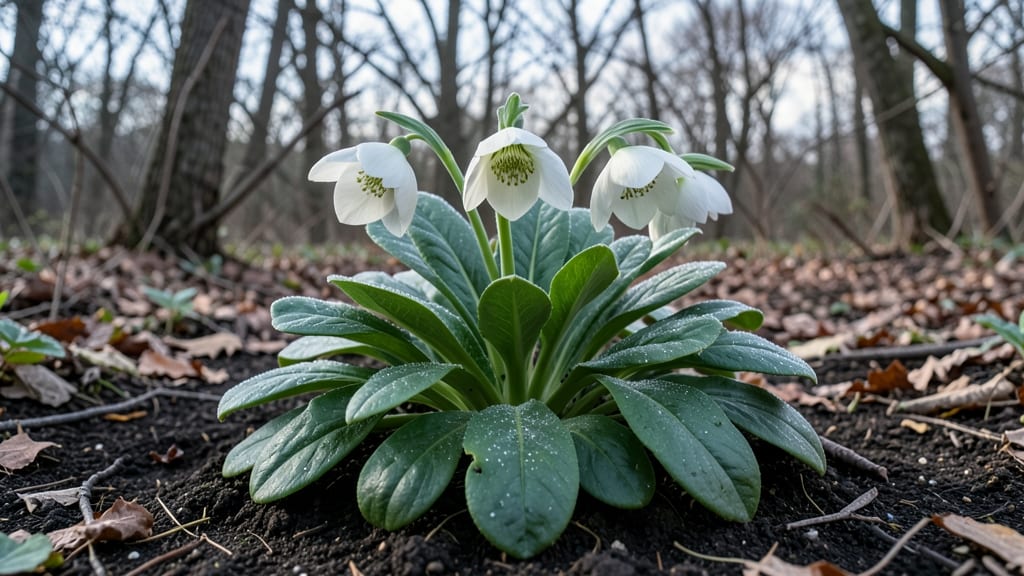
Winter-blooming flowers outside can transform your garden into a vibrant escape from the cold, proving that frost doesn’t have to mean faded colors.
Picture this: a crisp December morning where your yard bursts with delicate blooms instead of bare branches. That’s the magic of cold-hardy flowers like hellebores and winter jasmine, which thrive when most plants retreat. These varieties aren’t just survivors—they’re showstoppers that bring life to even the chilliest days.
If you’ve ever wondered how to keep your garden lively during winter, the answer lies in the right plant choices. From USDA Zone 3 hardiness to late-season camellias, we’ll cover the top picks that defy the cold and how to care for them so they flourish year after year.
You’ll discover planting tips, seasonal maintenance secrets, and even how to pair these beauties with other cold-resistant plants for a garden that stays stunning from fall through spring. Let’s make winter your garden’s most colorful season!
Top 10 cold-hardy flowers that bloom in winter outside
Winter doesn’t have to mean a blank canvas in your garden. With the right cold-hardy flowers, you can transform bare landscapes into vibrant displays that defy frost and snow. These winter-blooming beauties thrive in temperatures that would freeze most plants, offering color and life when other gardens are dormant.
Whether you're in Zone 4 or Zone 8, these flowers prove that winter gardening is not only possible but breathtaking.
I’ve selected these top 10 winter flowers based on their ability to survive freezing temperatures, their stunning visual appeal, and their adaptability to various climates. From delicate snowdrops to bold camellias, each variety brings something unique to your winter landscape.
Let’s dive into the specifics of what makes these flowers stand out in cold weather.
| Flower Name | Hardiness Zones | Bloom Time | Color Palette | Special Features |
|---|---|---|---|---|
| Hellebore (Lenten Rose) | 3-9 | Late Winter-Early Spring | White, pink, purple, green | Shade-tolerant, deer-resistant |
| Winter Jasmine (Jasminum nudiflorum) | 5-9 | Winter (Jan-Feb) | Bright yellow | Fast-growing climber, fragrant |
| Camellia | 7-10 | Winter-Spring | Red, pink, white | Evergreen, glossy leaves |
| Snowdrop (Galanthus) | 3-9 | Late Winter | Pure white | Symbol of hope, early bloomer |
| Winter Aconite (Eranthis hyemalis) | 4-8 | Late Winter | Bright yellow | Tiny but cheerful, spreads easily |
| Crocus (Winter-Blooming) | 3-9 | Late Winter-Early Spring | Purple, white, yellow | Naturalizes well, edible petals |
| Pansy (Viola) | 5-10 | Fall-Winter | Purple, yellow, blue | Cold-resistant, long bloom |
| Mahonia (Oregon Grape) | 5-9 | Late Winter-Early Spring | Yellow-green | Berries for wildlife, glossy leaves |
| Winter Honeysuckle (Lonicera fragrantissima) | 4-9 | Late Winter | White | Highly fragrant, fast-growing |
| Daffodil (Early Varieties) | 3-10 | Late Winter | Yellow, white, orange | Deer-resistant, classic charm |
How to choose and plant winter-blooming flowers for maximum impact
Selecting the right winter-blooming flowers starts with understanding your USDA hardiness zone. For example, Hellebores thrive in zones 4-9, while Camellias prefer zones 7-10. Always match plants to your local climate to ensure they survive frost and snow.
I recommend checking your zone using the USDA Plant Hardiness Zone Map before making selections.
Preparing your garden soil is equally critical. Winter flowers often need well-draining soil with organic matter. Amend heavy clay soils with compost or sand to improve aeration. For container plants, use a high-quality potting mix designed for cold-hardy species.
I’ve found that adding a slow-release fertilizer at planting time gives flowers a strong start for winter growth.
Timing is everything when planting winter bloomers. Most should go into the ground in early fall (4-6 weeks before the first frost) to establish roots before cold sets in.
For tender perennials like winter jasmine, wait until spring in colder zones. I plant mine in late September in zone 6, giving them time to root before winter arrives.
🌱 Numbered Highlights: Essential Steps for Planting Winter Flowers
- 1. Choose zone-appropriate varieties – Hellebores (zones 4-9), Winter Jasmine (zones 5-9), Snowdrops (zones 3-9).
- 2. Test soil pH – Aim for 6.0-7.0; amend with lime or sulfur if needed.
- 3. Dig holes twice as wide as root balls to encourage root spread.
- 4. Water deeply after planting – 1-2 inches of water to settle soil.
- 5. Mulch heavily (4-6 inches) – Use straw or shredded leaves to insulate roots.
- 6. Plant in clusters – Group 3-5 plants together for dramatic winter impact.
- 7. Avoid late-season fertilizing – New growth can be frost-sensitive.
Companion planting can extend your winter blooms by creating microclimates. For instance, pairing evergreen shrubs like boxwood with winter flowers provides wind protection. I’ve noticed that winter aconite thrives near dwarf conifers, benefiting from their shade in harsh winters.
Also, avoid planting winter flowers near aggressive spreaders like mint, which can crowd out delicate blooms.
After planting, monitor for frost damage by gently brushing off snow to check foliage. If leaves turn black, prune back to healthy growth in early spring. I’ve learned that winter pansies often survive light frosts but may need protection from hard freezes.
Consider using frost blankets for tender varieties during extreme cold snaps.
Finally, plan for seasonal color transitions by selecting flowers with staggered bloom times. For example, camellias bloom from fall to winter, while winter daphnes shine in late winter. This ensures your garden stays vibrant even when temperatures drop.
With the right choices and care, your winter garden can be just as stunning as your summer displays! 🌷