
Watering
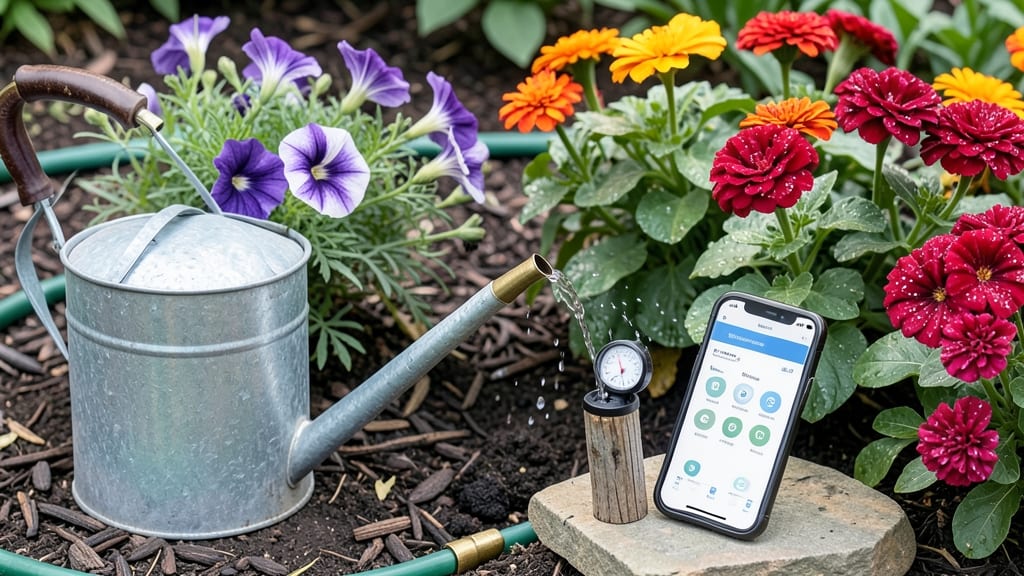
To keep your outdoor flowers thriving, learn how often to water flowers outside—but the exact timing depends on more than just the calendar.
Struggling to keep your outdoor flowers vibrant and healthy? Overwatering or underwatering can both kill your blooms—so timing is everything. Learn the science-backed watering schedule that adapts to seasons, soil, and flower types for a thriving garden all year.
Most gardeners guess how often to water their 🌸, but the truth is, soil type, humidity, and flower species play a bigger role than you might think. A sandy bed drains fast, while clay holds moisture for days—so a one-size-fits-all approach won’t work.
In this guide, I’ll break down the seasonal watering schedule for your zone, the 5 key factors that change your routine, and the best techniques to save time while keeping your flowers happy. No more guesswork—just lush, long-lasting blooms.
Seasonal watering schedule for outdoor flowers: monthly guide by climate zone
Mastering the art of flower watering starts with understanding your climate zone and seasonal shifts. In USDA zones 3-10, water needs can vary dramatically—from spring showers that reduce irrigation to summer heatwaves that demand daily attention.
This guide breaks down monthly watering frequencies tailored to your region, plus tips for annuals vs perennials and drought-resistant varieties like lavender and coneflowers.
Your garden's soil type and flower maturity also play critical roles. Newly planted flowers need frequent shallow watering to establish roots, while established perennials often thrive on deep, infrequent watering. Below, I’ve organized the schedule by seasonal phases, with adjustments for rainy months and extreme heat alerts.
Use this as your watering bible to keep blooms vibrant from March thaw to first frost.
Pro Tip: Always water at soil level, not overhead, to prevent fungal diseases like powdery mildew. Early morning (before 8 AM) is ideal—it gives foliage time to dry before evening humidity sets in.
| Month | Zones 3-5 (Cool) | Zones 6-8 (Temperate) | Zones 9-10 (Warm) | Notes |
|---|---|---|---|---|
| March | Every 5-7 days (reduce if rainy) | Every 4-6 days | Every 3-5 days | Spring ephemerals (e.g., bleeding heart) need moisture; mulch to retain soil warmth. |
| April | Every 3-5 days | Every 2-4 days | Every 2-3 days | Annuals (e.g., marigolds) need consistent water; perennials can wait until soil dries 1" deep. |
| May-June | Every 2-3 days | Daily or every other day | Daily (morning watering) | Peak blooming season—deep water at base to encourage root growth. Drought-tolerant varieties (e.g., yarrow) need less. |
| July-August | Every 1-2 days (heatwave: daily) | Daily (early morning) | Daily (split into AM/PM) | Heat stress = wilting. Use drip irrigation or soaker hoses to avoid evaporation. Succulents (e.g., sedum) need less. |
| September | Every 3-5 days | Every 2-4 days | Every 2-3 days | Reduce watering as days shorten. Focus on fall-blooming perennials (e.g., asters) and bulbs (e.g., dahlias). |
| October-November | Every 7-10 days (or none if frozen) | Every 5-7 days | Every 3-5 days (until frost) | Winterize tender perennials (e.g., canna lilies) with mulch. Avoid watering frozen soil. |
| Year-Round Tip | Check soil moisture 1-2" below surface before watering. Use a moisture meter or the finger test. | |||
Let’s dive deeper into seasonal adjustments. In spring (March-May), focus on watering consistency as roots establish. I recommend mulching with 2-3 inches of organic matter (like straw or shredded leaves) to lock in moisture and regulate soil temperature.
For containers, which dry out faster, check soil moisture daily in summer—potted geraniums or petunias may need water twice a day during heatwaves.
Summer is the make-or-break season for most flowers. In zones 9-10, where temperatures exceed 90°F, switch to drip irrigation or self-watering systems to avoid stress. Drought-resistant flowers like lantana or black-eyed Susans
5 Key factors that determine how often you should water flowers (beyond the calendar)
Your garden calendar might say "water every other day," but that's only part of the story. The real magic happens when you account for the hidden factors that change how often your flowers truly need water.
I've learned the hard way that ignoring these can turn your vibrant blooms into sad, wilted messes—so let's dive into what matters most.
Most gardeners focus on seasonal changes and weather forecasts, but your flowers' actual water needs depend on deeper variables. For example, my petunias in sandy soil dry out faster than my hostas in clay soil, even when they're side by side.
These overlooked factors are the difference between thriving gardens and constant guesswork.
🌱 5 Critical Factors for Perfect Flower Watering
- 1. Soil Type: Sandy soil drains fast (water daily), clay soil holds moisture (water every 3-4 days). Test yours by squeezing a handful—if it crumbles, it's dry faster.
- 2. Pot vs. Ground: Container plants dry out 2x faster than in-ground. A 5-gallon pot needs water every 1-2 days in summer, while ground plants may only need every 3-5 days.
- 3. Humidity Levels: In humid climates (like Florida), water 20% less than dry areas. My impatiens in high humidity thrive on every 4th day, while the same plants in Arizona need daily water.
- 4. Root Depth: Shallow-rooted flowers (like marigolds) need frequent light watering, while deep-rooted perennials (like daylilies) prefer deep, infrequent watering to encourage strong roots.
- 5. Signs Override Schedules: Yellowing leaves = overwatering; wilting by noon = underwatering; mold on soil = too much moisture. Always check before watering!
Pro Tip: Use your finger—stick it 1-2 inches into soil. If it feels dry, water!
Let me share a personal example: my roses in clay soil with mulch only needed watering once a week during summer, while my geraniums in pots on the patio required watering every morning. The same "water every other day" rule failed for both—until I adjusted for these factors.
Another game-changer is root depth. My pansies have shallow roots and wilt quickly if the top inch of soil dries out, while my peony bushes have deep roots and can handle 3-4 days between deep waterings.
This is why a one-size-fits-all approach never works—your garden is a mix of different needs!
Don't forget to watch for visual cues like mold on soil (a red flag for overwatering) or leaves curling inward (a sign of thirst). I once killed a batch of begonias by following a rigid schedule instead of noticing the yellowing leaves—a clear sign they were drowning.
Your flowers will tell you what they need if you pay attention.
Start by testing your soil type and observing your plants' behavior. Keep a watering journal for a week to track what works. Soon, you'll stop guessing and start watering with confidence—just like I did after making these mistakes.
Your flowers will thank you with longer blooms and healthier growth! 🌷