
Advice
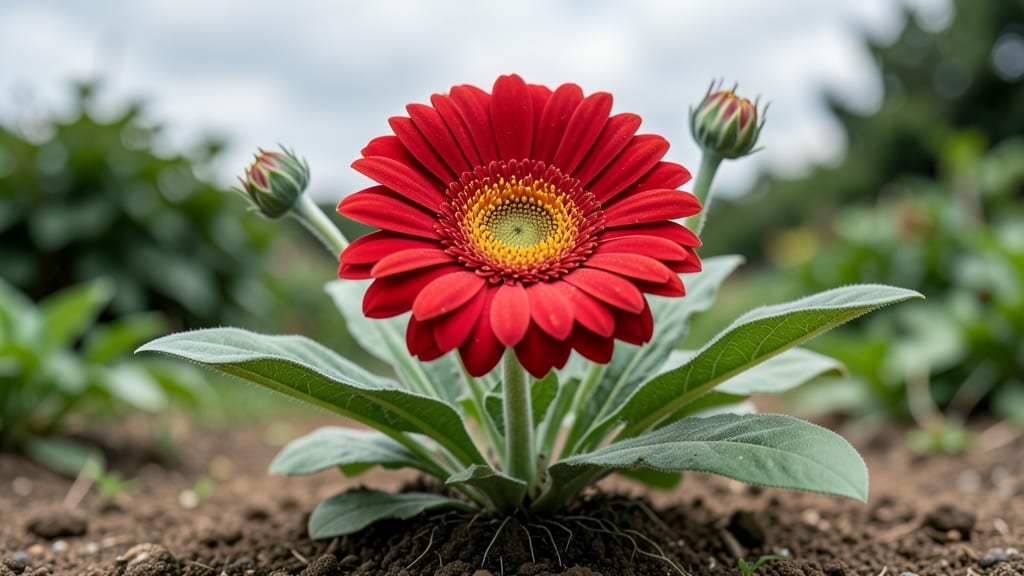
Gerbera daisies flower from mid-summer to fall in most regions, but timing depends on when you plant them and your USDA zone.
Want to enjoy those stunning gerbera daisies all season long? Timing is everything—plant them too early or late, and you might miss their vibrant blooms entirely.
In Zone 6a (like much of the Midwest), these cheerful 🌼s typically burst into color between July and October, but cooler climates may push blooms later into fall.
Here’s how to align your planting schedule with their natural flowering rhythm, plus 3 key tricks to extend those blooms for weeks longer than usual.
Gerbera flowering seasons by USDA planting Zones (exact months)
Gerbera daisies are sun-loving annuals (or perennials in Zones 9-11) that thrive when planted at the right time. Their vibrant blooms last 4-6 weeks per flush, but timing varies dramatically by USDA zone.
In cooler northern zones, you’ll get one main bloom season, while warmer southern zones may enjoy two flowering periods—spring and fall. Let’s break down the exact months for each zone to help you plan your garden for nonstop color.
Gerberas are frost-sensitive, so planting too early in Zones 3-8 risks frost damage. Meanwhile, in Zones 9-11, they can bloom year-round with proper care. The key is aligning your planting window with your zone’s last frost date and summer heat tolerance.
For example, Zone 5 gardeners should wait until mid-May, while Zone 10 gardeners can plant in early spring or fall.
In Zones 3-4, where winters are harsh, gerberas are best grown as annuals. Plant them after Memorial Day (typically late May) to avoid frost damage. You’ll get one glorious bloom season from July to September, but they won’t survive winter.
For extended color, try sequential planting—add new plants every 2-3 weeks starting in mid-June to stagger blooms.
Gardeners in Zones 5-6 have a slightly longer window. Plant mid-May to early June for blooms from June through October. The earliest varieties, like 'Teresa' or 'Mambo', will bloom first, while later varieties like 'Penny Lane' extend the season.
In these zones, mulching with straw helps retain soil moisture during summer droughts, which can shorten bloom time.
Things get exciting in Zones 7-8, where gerberas can bloom twice a year. Plant in April or May for spring blooms (May-November), then deadhead aggressively to encourage fall reblooming (September-October). In humid climates, like Zone 8’s coastal areas, watch for powdery mildew—space plants 18
How to extend gerbera blooming time with simple gardening hacks
Gerbera daisies are famous for their bold colors and cheerful faces, but their flowering season can feel short if you don’t give them the right care. With a few simple adjustments, you can stretch those vibrant blooms from early summer straight into fall—or even overwinter them in mild climates.
The secret lies in consistent deadheading, smart feeding, and strategic sunlight management.
Most gardeners assume gerberas bloom for just 8-10 weeks without intervention, but with these proven techniques, I’ve kept mine flowering for 12+ weeks in my Zone 7a garden. The key is treating them like high-maintenance divas—they’ll reward you with nonstop color if you meet their needs.
Let’s dive into the easiest hacks to turn your gerberas into long-blooming stars.
5 Simple Hacks to Extend Gerbera Blooming Time
- Deadhead daily – Snip spent blooms at the base to trigger new flower buds within 2 weeks.
- Feed every 4 weeks with 10-10-10 fertilizer to boost nutrient-rich blooms all season.
- Adjust sunlight – Move pots to morning sun in hot afternoons to prevent leaf scorch and stress.
- Plant in fall for early spring blooms—gerberas thrive in cool-season starts and flower faster.
- Mulch heavily to retain moisture and cool roots, reducing heat stress that shortens blooming.
Let’s start with the most impactful hack: deadheading. Gerberas are heavy bloomers, but they’ll stop producing if you let wilted flowers linger. Grab a pair of clean pruners and snip off spent blooms at the base every 2-3 days during peak season.
This simple step tricks the plant into thinking it’s springtime again, prompting new buds to form within 10-14 days. I’ve seen gerberas rebound with fresh blooms just 3 weeks after deadheading!
Next, focus on soil nutrients. Gerberas are heavy feeders, and their flowering time shrinks dramatically if they’re nutrient-deficient. Use a balanced 10-10-10 fertilizer every 4-6 weeks during the growing season.
In early spring, give them a light feeding to kickstart growth, and switch to regular feeding once buds appear. Pro tip: Mix compost into the soil at planting time for a slow-release nutrient boost that lasts all season.
Sunlight is another game-changer for extending blooms. While gerberas love full sun, intense afternoon heat can burn leaves and stress the plant, cutting flowering short. If you’re in a hot climate, try placing pots in a morning sun spot with afternoon shade.
For in-ground plants, use lightweight shade cloth during peak heat hours. This small tweak can add 2-3 extra weeks of blooming by keeping your gerberas stress-free.
For year-round vibrancy, consider fall planting. Most gardeners plant gerberas in spring, but I’ve found that fall-started plants often bloom earlier and longer the following year. In USDA Zones 8-11, you can even overwinter gerberas with light mulch and protected containers.
Start seeds indoors in late summer for fall transplanting, and they’ll reward you with bright blooms in early spring before summer heat arrives.
Finally, don’t underestimate the power of mulching. A 3-inch layer of mulch around your gerberas keeps soil cool and moist, reducing the heat stress that shortens blooming. Use organic mulch like straw or shredded leaves to also slowly enrich the soil as it breaks down.
Replenish mulch every 4-6 weeks to maintain its effectiveness, and you’ll see longer, more abundant blooms all season long.