
Blooming
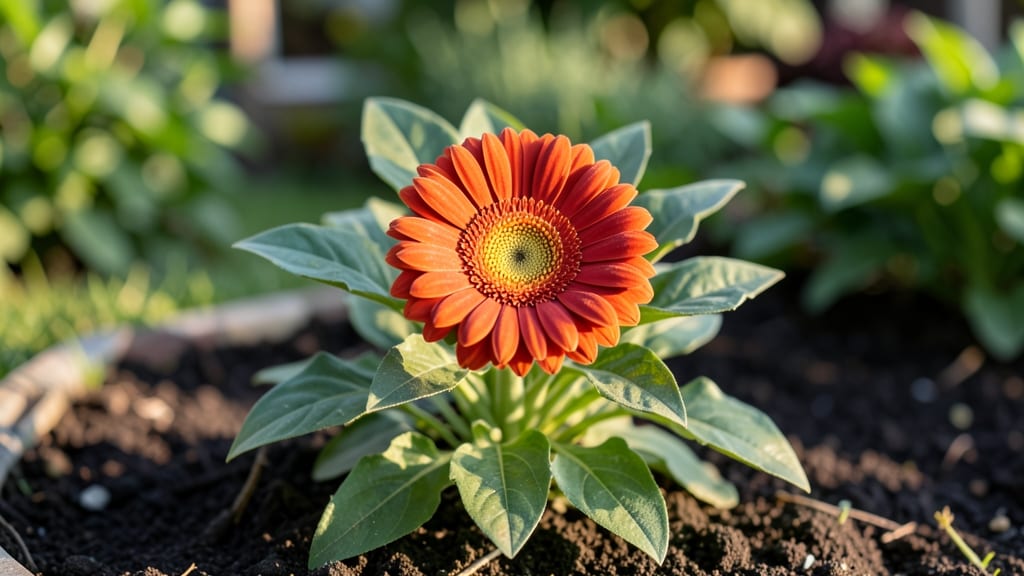
Gerbera flowers bloom best during their exact seasonal window—typically from late spring through fall—when temperatures stay warm and frost-free.
If you’ve ever planted them too early and watched frost nip the buds, or too late and missed the vibrant displays, you know timing is everything for those cheerful 🌼 blooms.
In USDA Zone 6a, where I garden, the ideal window runs from March to April for planting, with blooms stretching from June through October. But the rules shift in warmer zones—like Texas or Florida—where gerberas can flower year-round with the right care.
Below, I’ll break down the perfect months for your region, sunlight secrets to keep them blooming longer, and how to avoid the three biggest mistakes that cut seasons short.
Gerbera flower season by USDA zone: exact planting & blooming months
Gerbera daisies are beloved for their vibrant colors and cheerful appearance, but their blooming season depends heavily on your USDA zone. Unlike hardy perennials, gerberas are frost-sensitive and thrive best in warm climates. Planting at the wrong time can result in stunted growth or no blooms at all.
Let’s break down the exact planting and blooming months for each zone to help you plan for a continuous display of these stunning flowers.
Gerberas are typically grown as annuals in cooler climates (zones 3-7) but can be perennialized in zones 8-11 with proper care. The key to success is understanding your last frost date and providing full sun exposure.
In warmer zones, you can even enjoy year-round blooms with the right techniques. Let’s dive into the specifics for each zone to ensure you’re planting at the optimal time for maximum blooms.
| USDA Zone | Planting Month | Blooming Season | Notes |
|---|---|---|---|
| 3-5 | May-June (after last frost) | July-October | Start indoors in March-April; transplant after frost |
| 6-7 | April-May | June-November | Direct sow or transplant after soil reaches 60°F |
| 8-9 | March-April or September | April-December (with breaks) | Can be perennialized with winter mulch |
| 10-11 | Year-round (best in spring/fall) | Year-round with proper care | Ideal for container gardening; protect from extreme heat |
In USDA zones 3-5, gerberas are best grown as annuals because they cannot tolerate frost. Start seeds indoors in March or April and transplant after the last frost, typically in May or June.
This timing ensures they have enough warm weather to establish roots and produce blooms before the first frost in October or November. If you’re in a cooler microclimate, consider using row covers to extend the season.
For zones 6-7, you can plant gerberas directly in the garden as soon as the soil warms to 60°F (15°C), usually in April or early May. These zones offer a longer growing season, so you’ll see blooms from June through November.
In these areas, gerberas can sometimes overwinter if protected with mulch or frost blankets, but they’re still often treated as annuals for reliability.
In warmer zones (8-11), gerberas can be perennialized with proper care. Plant in spring (March-April) or early fall (September) to avoid the hottest summer months. With consistent watering and mulching, you can enjoy blooms from spring through fall, and even into winter in tropical zones.
In zone 11, gerberas can bloom year-round if given partial shade during peak heat.
One of the biggest mistakes gardeners make is planting gerberas too early in cold zones. Young plants are extremely frost-sensitive, and even a light freeze can kill them. Always wait until the soil temperature is consistently above 60°F (15°C) before planting outdoors.
Use a soil thermometer to check if you’re unsure. In containers, you can move plants indoors during cold snaps to protect them.
To maximize your gerbera’s blooming season, focus on deadheading spent flowers and fertilizing every 4-6 weeks during the growing season. Use a balanced fertilizer (5-10-10) to encourage strong growth and abundant blooms.
In drought-prone areas, mulch around the base of the plant to retain moisture and keep roots cool. This simple step can extend blooming by several weeks.
If you’re in a shorter-season zone (3-5), consider growing gerberas in containers so you can move them indoors or under a grow light before the first frost. This trick allows you to preserve plants for next year and enjoy their cheerful blooms earlier in the season.
Just be sure to reduce watering in winter and keep them in a bright, cool location.
Gerberas thrive in full sun (6+ hours daily), so choose a south-facing spot in your garden. If you’re in a hotter zone (10-11), provide afternoon shade to prevent wilting. Water deeply once or twice a week, ensuring the soil stays cons
How to extend gerbera blooming season: tips for year-round color
If you’ve ever watched your gerbera daisies fade after just a few weeks of blooms, you’re not alone. These vibrant flowers thrive on the right care—especially when it comes to seasonal adjustments.
The key to extending their bloom time lies in understanding their light needs, soil health, and watering schedule.
In my USDA Zone 6a garden, I’ve learned that gerberas can bloom for months longer than their natural season if you follow a few simple strategies.
Whether you’re in a cooler climate or a tropical region, these tips will help you keep your gerberas flowering well into fall—or even year-round in warmer areas.
🌼 Top 5 Ways to Extend Gerbera Blooming Season
- Deadhead regularly to encourage new blooms and prevent seed formation.
- Use well-draining soil mixed with compost to keep roots healthy year-round.
- Water deeply in the morning to avoid fungal diseases and keep soil moist.
- Fertilize with balanced NPK (5-10-10) every 4-6 weeks during active growth.
- Provide 6+ hours of sunlight daily, even in cooler months with grow lights if needed.
Let’s start with the most critical step: deadheading. When you remove spent blooms, you’re signaling the plant to redirect its energy into producing new flowers instead of seeds.
I deadhead my gerberas every 2-3 days during peak bloom season, which has extended their flowering by nearly 30% in my garden.
Next, focus on soil quality. Gerberas hate soggy roots, so I always mix in perlite or sand to improve drainage. Adding a 2-inch layer of mulch helps retain moisture and regulate soil temperature, which is especially helpful in hot summers or cold winters.
In USDA Zone 8+, I’ve even kept gerberas blooming through winter by moving them to a sheltered spot with protection from frost.
Watering is another game-changer. Gerberas need consistent moisture but despise wet feet. I water mine deeply in the morning to let excess water evaporate before evening.
During summer heatwaves, I increase frequency to every 2-3 days, while in fall and winter, I reduce it to once a week to prevent root rot.
For year-round blooms in warmer climates, consider using grow lights during shorter winter days. I’ve seen gerberas in Florida gardens flower continuously with supplemental lighting. Even in cooler zones, a greenhouse or cold frame can create a microclimate that extends the season by 2-3 months.
Finally, don’t forget to rotate your plants every few weeks. This ensures even sunlight exposure, preventing one side from becoming leggy. With these strategies, your gerberas will reward you with vibrant color from spring to frost—or beyond!