
Flowers
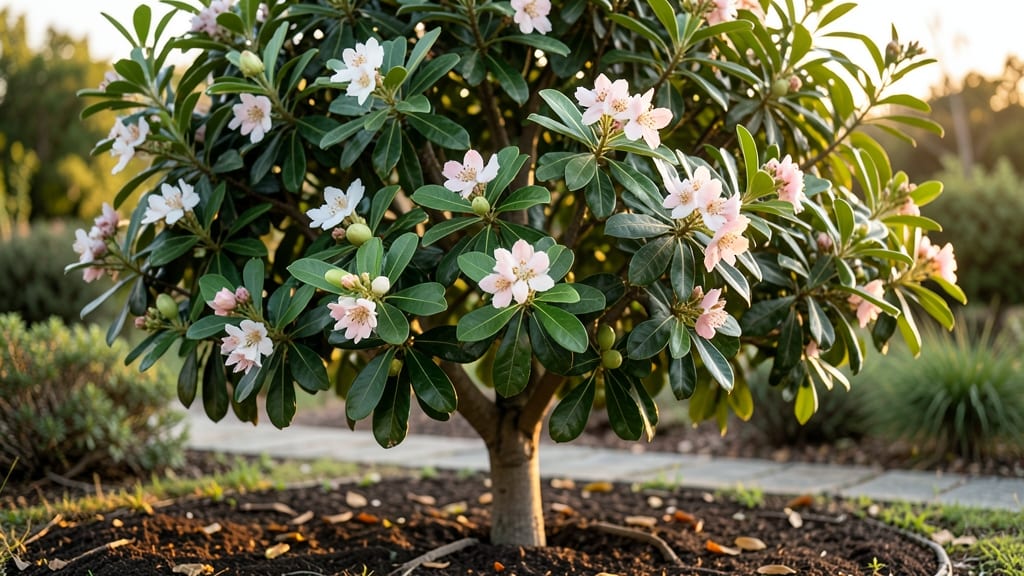
Transforming guava flowers into fruit is all about timing, pollination, and the right growing conditions—because even the most beautiful blooms won’t turn into harvest without these key steps.
Picture this: your 🥝 guava tree is heavy with white, fragrant flowers, but the fruit just won’t set. The mystery isn’t magic—it’s science. From hand-pollination tricks to avoiding common pitfalls like flower drop, here’s how to turn those blossoms into a bountiful crop.
In General (Tropical/Subtropical Regions), where guavas thrive in USDA zones 10a-11, the journey from flower to fruit follows a 4-stage timeline—each with its own care requirements. Learn the signs of healthy development, when to intervene, and how to troubleshoot if your tree skips a step.
By the end, you’ll know exactly how to maximize your harvest, from hand-pollination techniques for container plants to adjusting humidity and sunlight for peak fruit set. Ready to turn those flowers into flavor?
How guava flowers become fruit: the critical pollination process
Guava trees bloom with stunning white or pink flowers that hold the secret to your future harvest. These flowers contain both male and female reproductive parts, but their success depends on precise conditions and timing. Understanding this process helps you boost fruit set—especially when nature falls short.
First, guava flowers are hermaphroditic, meaning each flower has both stamens (male) and pistils (female). However, they often rely on external pollinators like bees or manual intervention to maximize fruit production. Without proper pollination, flowers may drop early, leaving you with fewer fruits or poor-quality harvests.
Environmental factors like temperature (75-90°F) and humidity (60-80%) directly impact pollination success. Too much heat or dryness can reduce pollinator activity, while ideal conditions encourage bees to visit flowers, increasing your chances of fruit development.
Here’s how guava flowers transition to fruit—and how you can optimize the process for a bountiful harvest:
| Pollination Type | How It Works | Best For | Yield Impact |
|---|---|---|---|
| Self-Pollination | Flowers pollinate themselves via wind or slight vibrations. | Container-grown trees or areas with few pollinators. | Moderate (50-70%) fruit set. |
| Cross-Pollination | Bees or other insects transfer pollen between flowers. | Outdoor trees with abundant pollinators. | High (80-95%) fruit set. |
| Manual Pollination | Gardeners use a soft brush to transfer pollen. | Indoor trees, greenhouses, or pollinator-poor areas. | Controlled (75-90%) fruit set. |
For manual pollination, wait until flowers are fully open (morning is best). Use a soft paintbrush or cotton swab to gently collect pollen from one flower’s stamens, then transfer it to another flower’s pistil. This mimics bee activity and ensures even distribution, especially in container-grown or indoor guava trees.
Temperature plays a critical role—guava flowers thrive in 75-90°F (24-32°C) conditions. Below 65°F (18°C), pollinators become less active, and above 95°F (35°C), flowers may drop prematurely. Monitor your tree’s microclimate to optimize pollination windows.
Humidity also matters: 60-80% humidity keeps flowers vibrant and attractive to pollinators. In dry climates, mist flowers lightly in the early morning to create a moisture-rich environment without promoting fungal diseases.
If your guava tree produces flowers but no fruit, check for these common issues: poor pollination, nutrient deficiencies (like low calcium), or pest damage to flowers. Addressing these early can double your fruit yield within a season.
Once pollinated, guava flowers begin their 4-stage transformation into fruit. The first visible sign is a tiny green bump where the flower was attached—this marks the start of fruit development and sets the stage for your harvest.
🌱
Guava fruit development timeline: 4 stages from flower to harvest
Understanding the guava fruit development timeline helps you anticipate care needs and troubleshoot issues like premature fruit drop. From delicate white flowers to ripe, aromatic fruit, each stage lasts 3-6 months depending on your climate. Let’s break down what to expect—and how to support your tree at every turn.
After successful pollination, guava flowers swell into tiny green fruitlets within 2-3 weeks. This early stage is critical: nutrient deficiencies or temperature swings can cause flowers to abort. Maintain consistent watering and fertilization to keep fruitlets growing.
| Stage | Duration | Visual Cues | Care Tips | Common Pitfalls |
|---|---|---|---|---|
| 1. Flower to Fruitlet | 2-3 weeks | Flowers → tiny green fruitlets (pea-sized) | Water deeply, avoid fertilizer shock | Premature drop due to stress |
| 2. Fruitlet Growth | 6-8 weeks | Green fruit grows to 1-2 inches | Apply potassium-rich fertilizer every 4 weeks | Cracking from uneven watering |
| 3. Color Development | 4-6 weeks | Skin turns pink/yellow/white (varies by type) | Reduce nitrogen, increase phosphorus | Sunburn on exposed fruit |
| 4. Maturity & Harvest | 4-8 weeks | Fruit softens, scent intensifies | Harvest when stem twists easily | Overripe fruit falls prematurely |
During the fruitlet growth stage (6-8 weeks), guavas grow rapidly—up to 1-2 inches per week in ideal conditions. Monitor for fruit cracking, a common issue caused by inconsistent watering. Mulch around the base to retain moisture and prevent soil temperature fluctuations.
As fruit enters the color development phase, you’ll notice vibrant hues like pink, yellow, or white depending on your guava variety. This stage lasts 4-6 weeks and requires balanced fertilization. Avoid high-nitrogen feeds, which can delay ripening and reduce sweetness.
In the final maturity stage, guavas develop their signature aroma and soft texture. Harvest when the stem twists easily—this ensures peak flavor. Unpicked fruit may drop prematurely, especially in humid climates. Thin overcrowded branches to improve air circulation and reduce disease risk.
Pro tip: Hand-pollinate container-grown guavas in early morning using a soft brush to transfer pollen. This boosts fruit set by up to 40% in indoor or low-pollen environments. 🥝