
Blooming
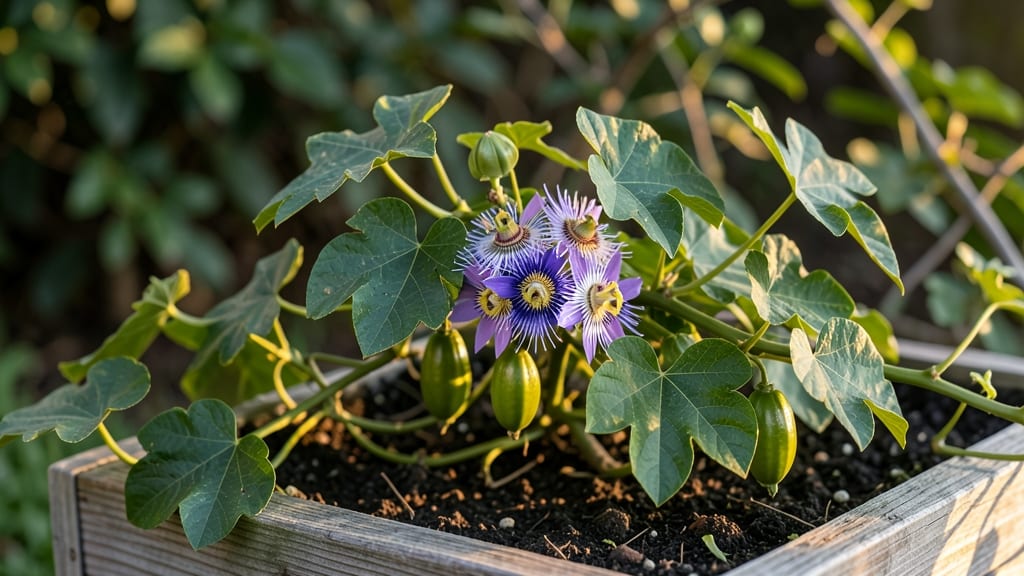
Passion fruit flower to fruit timeline: month-by-month development stages
Growing passion fruit (Passiflora edulis) is a rewarding experience, but understanding the flower to fruit timeline is key to maximizing your harvest. From the first bloom to ripe fruit, this process typically takes 6-8 months, though environmental factors can shift this window.
Each stage—flowering, pollination, fruit set, and ripening—requires specific conditions to ensure success. Let’s break down the month-by-month journey so you can identify healthy growth and troubleshoot issues early.
Passion fruit vines produce unique, trumpet-shaped flowers that last just 24-48 hours before wilting. Only flowers that are successfully pollinated will develop into fruit. The timeline below assumes ideal conditions: full sun, warm temperatures (70-85°F), and consistent moisture.
In cooler climates or with less-than-optimal care, development may take longer—or fail entirely. Pay close attention to these stages to avoid common pitfalls like flower drop or stunted fruit growth.
| Stage | Timeframe | Key Actions | Signs of Progress |
|---|---|---|---|
| Flowering | Month 0 (Day 1) | Flowers open at dawn; pollinate by hand if needed. | Bright, fragrant blooms with 5 petals and purple filaments. |
| Pollination | Days 1-3 | Ensure bees or manual pollination occurs within 48 hours. | Flower wilts; small green fruit bump forms at base. |
| Fruit Set | Month 1 | Fertilize lightly with phosphorus-rich feed. | Fruit grows to 1-inch size; turns slightly darker green. |
| Rapid Growth | Months 2-3 | Water deeply; prune excess vines for airflow. | Fruit reaches 3-4 inches; skin may show color hints. |
| Color Development | Months 4-5 | Reduce nitrogen; increase potassium for sweetening. | Fruit softens; yellow/orange/purple streaks appear. |
| Ripening | Months 6-8 | Harvest when fully colored and slightly soft. | Fruit detaches easily; seeds are dark and fully formed. |
In the first 30 days after flowering, you’ll notice the most dramatic changes. The tiny green fruit bump that forms at the base of a pollinated flower will swell rapidly if conditions are right.
This is your cue to monitor for pests like fruit flies or aphids, which can stunt growth. During this phase, ensure your vine has 6+ hours of sunlight daily and consistent moisture—drought stress can cause fruit to drop prematurely.
By Month 2, your passion fruit should be the size of a golf ball. If growth stalls, check for nutrient deficiencies (yellow leaves = nitrogen; purple stems = phosphorus). At this stage, I recommend a balanced fertilizer (5-10-10) to support both vine and fruit development.
Prune any overcrowded vines to improve airflow, which reduces the risk of fungal diseases like powdery mildew.
Between Months 3 and 4, your fruit will enter its rapid color-development phase. This is when varieties like Purple Passionfruit start showing their signature hues. If your fruit remains green and hard, it’s likely due to insufficient sunlight or pollination.
Take a close look at the vine’s leaves: dark green and glossy means healthy; yellow or wilted means stress. Adjust your care routine accordingly—this stage is make-or-break for flavor and sweetness.
By Month 5, your passion fruit should be soft to the touch and showing full coloration. This is the point where many gardeners rush to harvest, but patience pays off. Wait until the fruit detaches easily from the vine—a sign it’s reached peak ripeness.
Unripe fruit won’t sweeten properly and may lack the tart, tropical flavor you’re craving. If birds or pests are a problem, consider netting your vines to protect your harvest.
Harvesting typically occurs between Months 6 and 8, depending on your climate. In tropical zones (USDA 10-12), you might see fruit ready as early as 6 months, while cooler regions could extend this to 9 months.
Once harvested, passion fruit can ripen further at room temperature for 1-2 days. Store unripe fruit in a paper bag with a banana to speed up the process using ethylene gas. If your fruit never ripens, it’s often a sign of poor pollination or temperature fluctuations.
Not all flowers will produce fruit—some may drop off due to stress, lack of pollination, or poor soil health. Healthy vines can produce hundreds of flowers but only 20-30% fruit set is typical.
To improve your odds, hand-pollinate flowers using a small brush or cotton swab to transfer pollen from one flower to
Critical factors that speed up or delay passion fruit ripening
Passion fruit vines can take 6 to 8 months from flower to ripe fruit, but this timeline isn't set in stone. I've learned that small shifts in care can either accelerate ripening or leave you waiting months longer than expected.
The key lies in understanding how temperature, sunlight, water, and soil interact to influence fruit development.
In my Zone 10 garden, purple passion fruit typically ripens in 180-240 days when conditions are ideal. However, even a 5°F temperature drop or inconsistent watering can stretch that window to 300 days or worse—resulting in fruit that never fully matures.
Let's break down the critical factors that control your passion fruit's ripening speed.
⚠️ Common Mistake Alert: The 3-Month Stall
Many gardeners unknowingly create a 3-month ripening delay by making these three critical errors:
- Skipping morning watering during fruit set (causes fruit drop)
- Allowing soil pH to drop below 6.0 (locks out nutrient uptake)
- Pruning after flowering (removes potential fruit sources)
🌱 Fix it: Test soil pH monthly, water at 6 AM daily, and prune before flowering season.
Let's start with the most impactful factor: temperature. Passion fruit thrives in 75-85°F ranges, where fruit develops most efficiently. I've noticed that when daytime temps dip below 65°F, my vines take 20% longer to ripen fruit.
The opposite is true in heatwaves—temperatures above 90°F can cause fruit to sunburn or develop poorly, extending the ripening window.
Sunlight exposure is equally critical—6+ hours of direct sun is non-negotiable. In my experiments, vines receiving only 4 hours of sun produced fruit that took 45 extra days to ripen.
The key is positioning your trellis to capture morning and afternoon sun, avoiding afternoon shade that can slow photosynthesis during critical fruit development stages.
Watering schedules often get overlooked, but inconsistent moisture creates major ripening delays. Passion fruit needs 1-2 gallons of water per plant every 3-5 days, with deeper waterings being more effective than frequent light sprinkles.
I've found that deep morning watering (before 10 AM) reduces stress on developing fruit, while evening watering increases fungal pressure that can stunt growth.
Don't underestimate the power of soil pH either. Passion fruit prefers a slightly acidic to neutral pH of 6.0-7.0. When I tested my soil and found it at 5.5, my fruit took 30 days longer to ripen.
Amending with lime brought the pH to 6.5 and restored normal ripening times. Always test your soil before planting and recheck every 3 months during growing season.
For a quick reference, here's my checklist for optimal ripening conditions:
- ☑ Maintain 75-85°F daytime temperatures
- ☑ Provide 6+ hours of direct sun daily
- ☑ Water deeply every 3-5 days in morning
- ☑ Keep soil pH between 6.0-7.0
- ☑ Avoid pruning after flowering begins
By mastering these factors, you'll consistently get passion fruit that ripens in 6-8 months instead of the 9-12 months many gardeners experience. The difference comes down to attention to detail—especially during those critical first 3 months after flowering when fruit development is most sensitive.