
Flowers
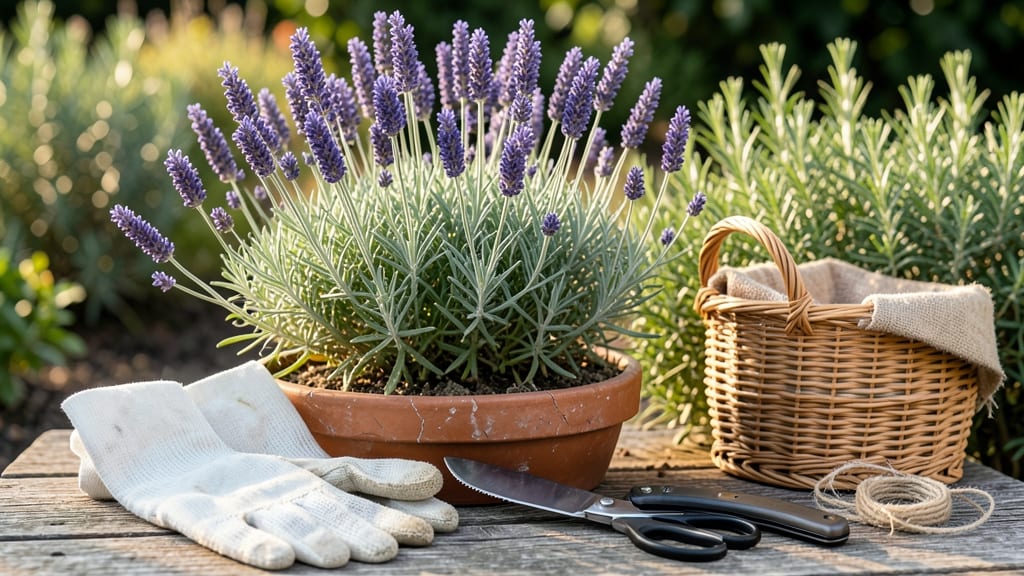
Harvesting lavender flowers at the right moment unlocks their richest scent and oil content—just as the buds begin to open but before they fully bloom 🌿.
The scent of freshly cut lavender isn’t just soothing—it’s a sign your plants are at their peak, packed with the most essential oils and ready for harvest. But timing this perfectly can mean the difference between fragrant bundles and bitter disappointment.
You’ve spent months nurturing your lavender, and now it’s time to reap the rewards. Whether you’re drying stems for sachets, harvesting buds for culinary uses, or cutting branches for aromatic oils, knowing the best practices ensures your lavender stays vibrant and potent.
In this guide, I’ll walk you through the exact moment to harvest, the tools you’ll need, and how to preserve your lavender for months—so you never waste another harvest again.


When to harvest lavender for maximum essential oil content
The scent of freshly cut lavender isn’t just soothing—it’s a sign your plants are at their peak, packed with the most essential oils and ready for harvest. But timing this perfectly can mean the difference between fragrant bundles and bitter disappointment.
Lavender’s oil content peaks when buds are just beginning to bloom, not when fully open. This scientific timing ensures the richest aroma and highest yield for your harvest.
Harvesting at the wrong stage can reduce oil content by up to 40%. The key is watching for bud color stages—when flowers are half-open and purple hues deepen.
Seasonal windows also matter: in USDA Zone 6a, the ideal harvest window spans June through September, aligning with lavender’s natural growth cycle after spring planting.
Climate plays a critical role in harvest quality. Dry, sunny conditions maximize oil production, while humidity or rain can dilute essential oils. Coastal regions may extend harvest windows slightly, but inland areas should prioritize morning harvests to avoid dew-dampened buds. Understanding these factors ensures you capture lavender’s full potential.
Here’s a quick reference for optimal harvest timing:
For maximum yield, harvest lavender when 50-70% of buds are open. This stage ensures the highest concentration of linalool and linalyl acetate, the compounds responsible for lavender’s signature scent. Use sharp, clean pruning shears to cut stems just above a leaf node, encouraging bushier growth for future harvests.
Climate zones beyond Zone 6a require adjustments. In warmer climates (Zones 7-9), lavender may bloom earlier, shifting harvest windows to May through August. Conversely, cooler zones (Zones 5 and below) may delay harvests until July or August, depending on frost dates.
Always monitor local weather patterns to align with lavender’s natural rhythm.
Temperature also impacts oil content. Ideal harvest temperatures range between 65°F and 75°F. Cooler mornings (55°F-60°F) are perfect for cutting, as dew hasn’t settled yet.
Avoid harvesting after rain or high humidity, as moisture can dilute essential oils and promote mold, reducing both scent and shelf life.
Pro tip: Harvest in batches over 2-3 days during peak bloom for consistent quality. This method spreads out the workload and ensures you capture the best buds without overstressing the plant.
Store harvested stems in a paper bag (not plastic) in a cool, dry place for up to 24 hours before drying to preserve fragrance.
Understanding these data-backed thresholds transforms your lavender harvest from guesswork to precision. Whether you’re growing English lavender or Spanish lavender, timing is everything. With the right approach, you’ll enjoy oil-rich buds that rival commercial-grade lavender—all from your backyard.
Ready to put this knowledge into action? Grab your shears and head to the garden—your peak-scent lavender awaits! 🌸
Step-by-step guide to harvesting lavender for dried bundles
Harvesting lavender at the right time transforms your garden into a fragrant treasure trove. The key lies in cutting just as buds begin to open—this preserves the essential oils that give lavender its signature scent and color.
If you wait too long, the buds lose potency and turn bitter, while harvesting too early means weak stems and poor drying results.
Before you begin, gather your tools: sharp pruning shears, a clean bucket, and rubber bands or twine. The weather matters too—harvest on a dry, sunny morning after dew has evaporated. This ensures your lavender stays crisp and free from moisture that can lead to mold during drying.
How to Harvest Lavender for Long-Lasting Bundles
- Step 1: Choose mature stems with 3-4 inches of growth below the buds. Avoid cutting new growth, as it won’t dry well.
- Step 2: Use clean pruning shears to cut stems at a 45-degree angle, about 1/3 of the way down from the top. This encourages bushier growth next season.
- Step 3: Gather 10-15 stems and tie them together with rubber bands or twine, leaving 2-3 inches of stem exposed at the bottom for hanging.
- Step 4: Hang bundles in a well-ventilated, dark space like a garage or shed. Avoid direct sunlight, which can bleach the color and degrade the scent.
- Step 5: Let bundles dry for 2-3 weeks, checking periodically for crispness. Once fully dry, store in an airtight container away from light to preserve fragrance.
Pro tip: If you’re drying lavender for potpourri or sachets, remove the buds from the stems once dry. This makes it easier to fill containers and creates a more concentrated aroma. For wreaths or decorative bundles, leave the buds attached to maintain the plant’s natural shape.
Timing your harvest correctly also means spacing it out. Never take more than 1/3 of the plant’s growth in one session, or you’ll stress the lavender and reduce next year’s yield.
I like to harvest mine in early morning when the essential oils are at their peak, then process them immediately to lock in that fresh-cut scent.
Once your lavender is dried, it’s ready for countless uses—from homemade soaps and relaxing pillow sachets to elegant centerpieces. The key to long-lasting bundles is patience: slow drying preserves the color and scent far better than rushing the process.
Store your dried lavender in a cool, dark place, and it can retain its fragrance for up to a year.
🌿✂️💜