
Planting
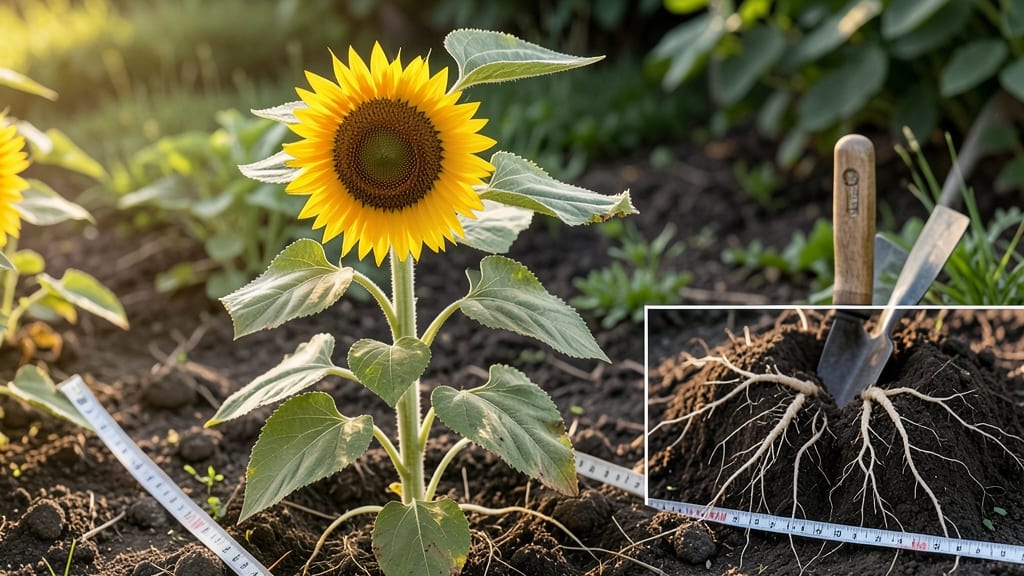
How deep sunflower roots go can surprise even the most experienced gardeners, often stretching 3 to 5 feet below the soil surface to anchor these towering plants and access hidden moisture.
Picture this: a 10-foot-tall sunflower 🌻 bending in a storm but standing firm, its roots digging deep like nature’s own stake. That stability comes from a root system that can surprise even experienced growers.
But here’s the catch: soil type, sunflower variety, and planting depth all play a role in how far those roots will reach. Get it wrong, and you might end up with stunted plants or wasted space in your garden.
In this guide, I’ll break down exactly how deep sunflower roots go, what affects their growth, and the simple adjustments you can make to give your sunflowers the strong foundation they need for healthy, thriving blooms.
Sunflower root depth explained: the science behind their stunning growth
Sunflowers aren't just about their towering bright yellow blooms—their root systems are just as fascinating. While most gardeners focus on the above-ground growth, the real magic happens below the soil.
These roots can reach shocking depths, sometimes 6-8 feet deep, allowing sunflowers to access water and nutrients far beyond what you might expect.
The primary taproot is the star of the show, growing straight downward like a spear. This single root can penetrate deep soil layers, making sunflowers surprisingly drought-resistant once established. But don't underestimate the secondary fibrous roots that spread horizontally—they create a support network that stabilizes the plant against wind.
Here’s the eye-opening truth about sunflower root depth, broken down by variety and growth stage:
| Sunflower Type | Root Depth | Max Height | Key Feature |
|---|---|---|---|
| Dwarf Varieties (e.g., 'Teddy Bear') | 1-3 feet | 1-3 feet | Shallow roots; ideal for containers |
| Semi-Dwarf (e.g., 'ProCut') | 3-5 feet | 3-5 feet | Moderate depth; good for small gardens |
| Standard (e.g., 'Autumn Beauty') | 4-6 feet | 6-10 feet | Deep roots; drought-tolerant |
| Giant (e.g., 'Mammoth') | 6-8+ feet | 10-15 feet | Extreme depth; needs loose soil |
The taproot of a giant sunflower like 'Mammoth' can plunge 6-8 feet deep, while dwarf varieties like 'Teddy Bear' max out at 1-3 feet.
This difference isn’t just about size—it’s about survival. Deeper roots mean better access to water reserves during dry spells and nutrient-rich soil deeper underground.
But here’s the catch: compacted or rocky soil can stunt root growth. If your garden has hardpan layers (a dense soil layer), sunflower roots may struggle to penetrate, leading to shorter, weaker plants. Loose, well-draining soil is key for those deep-rooted giants to reach their full potential.
Root depth also affects wind resistance. Sunflowers with shallow roots (like dwarf varieties) may lean or topple in strong winds, while those with deep taproots stand tall and steady. This is why staking or spacing becomes crucial in windy areas.
Fun fact: Sunflower roots grow faster than the plant itself. While the stem might shoot up 2-3 feet per week, the taproot can extend 1-2 feet per day during peak growth! This rapid underground expansion is what gives sunflowers their remarkable stability.
Understanding root depth helps with planting depth too. Seeds should only be planted 1 inch deep, but the roots will do the heavy lifting. Over-planting can strangle root growth, while too-shallow planting may expose roots to extreme temperatures or drying out.
For gardeners in urban or container settings, dwarf varieties are a game-changer. Their shorter roots make them perfect for pots or raised beds, where soil depth is limited. But even these smaller varieties benefit from well-aerated soil to encourage root spread.
Next time you plant sunflowers, remember: what’s below the soil is just as important as what you see above. Give those roots the space and conditions they need, and you’ll reward yourself with healthier, happier sunflowers that reach for the sky—and deep into the earth.
How sunflower root depth affects your garden: planting tips for maximum success
Understanding sunflower root depth is the secret to growing these giants with confidence. Their roots can stretch 3-6 feet deep, anchoring them against wind and drought. But shallow planting or compacted soil can stunt this natural growth, leaving your sunflowers struggling to reach their full potential.
When you plant sunflowers, think of their roots like a deep taproot system—similar to carrots but far more extensive. This structure helps them access water and nutrients from lower soil layers, making them surprisingly resilient once established.
However, their early growth stages are delicate, and proper soil prep is key to encouraging those roots to dive deep.
⚠️ WARNING: Shallow Planting Stunts Growth Sunflower seeds planted too shallow (less than 1 inch deep) risk developing weak root systems that can't support the plant's height. Even worse, compacted or rocky soil can force roots to grow sideways, making them vulnerable to wind damage.
Always loosen soil to at least 12 inches deep before planting to give those roots room to stretch downward.
Start by amending your soil with compost or aged manure to improve drainage and aeration. Sunflowers thrive in well-draining soil, but their deep roots also need access to moisture. Aim for 3-4 inches of compost mixed into the top 12 inches of soil.
This creates an ideal environment for roots to penetrate deeply while preventing waterlogging that can rot shallow roots.
Spacing is another critical factor influenced by root depth. Plant sunflowers 12-24 inches apart, depending on the variety. Dwarf sunflowers can handle closer spacing, but giant varieties like 'Mammoth' need room for their extensive root systems to spread.
Crowding forces roots to compete, leading to stunted growth and weaker stems that may snap in wind or rain.
Watering strategies must adapt to sunflower root depth. Newly planted seeds need consistent moisture to encourage root growth, but once established, deep watering 1-2 times per week is more effective than frequent shallow watering.
This mimics natural rainfall, encouraging roots to grow deeper in search of moisture. Always water at the base of the plant to avoid wetting the leaves, which can lead to fungal diseases.
Watch for signs of root stress, like yellowing leaves or wilting even after watering. These often indicate shallow root systems struggling to reach water. In such cases, consider adding a deep watering trench around the plant to encourage roots to grow downward.
Mulching with straw or wood chips also helps retain moisture and regulate soil temperature, creating ideal conditions for deep root development.
With the right soil prep, spacing, and watering, your sunflowers will develop the strong root systems they need to thrive. These deep roots don't just support tall stems—they also make sunflowers incredibly drought-resistant and wind-stable once mature.
Give them the deep foundation they deserve, and you'll be rewarded with sunflowers that reach new heights in your garden! 🌻