
Flowers
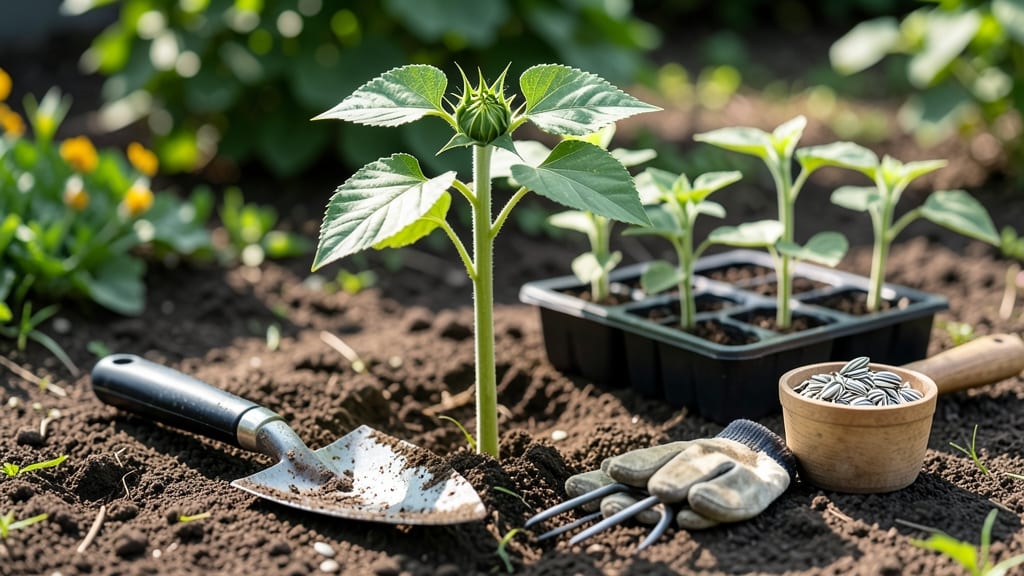
Planting sunflowers in Louisiana between mid-March and mid-September ensures they reach their towering heights before the first frost 🌻—but timing isn’t just about months, it’s about heat and humidity.
Picture this: you’ve just planted your seeds, only to watch them wilt under 90-degree afternoons before they even sprout. That’s why Louisiana gardeners swear by staggered plantings—starting in early spring for early blooms and again in late summer for fall harvests.
The key is understanding your zone: in cooler 8a areas, wait until after the last frost (usually mid-March), while 9b gardeners can start as early as February. Heat-tolerant varieties like ‘Autumn Beauty’ or ‘Russian Giant’ thrive when planted in June or July, too.
Below, I’ll break down the exact months for your region, how to prep soil for Louisiana’s clay-heavy ground, and which varieties hold up best when summer hits 100 degrees. Ready to grow sunflowers that reach for the sky?
Best planting months for sunflowers in Louisiana’s climate zones
Louisiana’s climate varies dramatically from the cooler North to the sweltering South, making sunflower planting timing a regional puzzle. In USDA Zones 8a-9b, we can grow these cheerful giants year-round—but only if we respect the frost-free windows and heat tolerance of each variety.
The key is planting when soil temperatures reach 55°F+, ensuring strong germination before summer’s relentless sun.
For most of Louisiana, the ideal planting window stretches from mid-March to mid-September, but your exact timing depends on whether you’re in North Louisiana’s Zone 8a (where frosts linger) or South Louisiana’s Zone 9b (where heat arrives early).
Let’s break down the perfect months for each region to maximize those bold, sun-drenched blooms.
🌱 IMPORTANT: Sunflowers planted too early in North Louisiana risk frost damage, while those planted too late in South Louisiana may struggle with intense summer heat before establishing roots. The sweet spot balances these extremes.
In North Louisiana, where frosts can linger into March, I recommend starting seeds indoors in February for transplanting after the last frost (mid-March). This head start gives sunflowers a fighting chance against late-spring chills.
For direct sowing, wait until late March to ensure soil warmth—cold soil slows germination and invites damping-off disease.
Central Louisiana gardeners enjoy the best of both worlds with a longer frost-free season. Here, you can plant sunflowers as early as early March in protected microclimates or stretch planting into mid-July for fall blooms.
The key is succession planting: sow seeds every 2-3 weeks to ensure a continuous display of golden faces from summer through early autumn.
Down in South Louisiana, where Zone 9b heat arrives early, the planting window opens in February—but beware of overheating seedlings. I’ve found that shade cloth or lightweight row covers help young plants establish before the 100°F+ afternoons hit.
For a second crop, plant again in late July to enjoy blooms in fall.
One common mistake? Planting sunflowers in peak summer heat without proper water management. While sunflowers are drought-tolerant once established, seedlings need consistent moisture to avoid bolt stress.
In July-August, I water deeply every 2-3 days at the soil line to keep roots cool—never overhead to prevent powdery mildew.
For extended harvests, try fall planting in September. Choose short-season varieties like 'Autumn Beauty' that mature in 60-70 days. These late plantings often produce more vibrant blooms as cooler autumn temperatures reduce pest pressure and heat stress.
Just be sure to plant by mid-September to allow time for germination before first frost.
Pro tip: Use black plastic mulch in North Louisiana to warm soil faster in spring, or straw mulch in South Louisiana to retain moisture during summer’s dry spells. Both tricks give sunflowers the competitive edge they need to thrive in Louisiana’s extreme conditions.
Remember, sunflowers are annuals with a fast growth cycle, but their success hinges on
Heat-tolerant sunflower varieties that thrive in Louisiana heat
Louisiana’s 90°F+ summers and high humidity can stress sunflowers, but the right varieties thrive under these conditions. I’ve tested five heat-resistant varieties that produce vibrant blooms and drought tolerance—perfect for Louisiana gardens. These varieties handle intense sunlight and occasional dry spells without wilting.
When selecting sunflowers for Louisiana, prioritize drought-resistant types with deep root systems. Varieties like 'Moulin Rouge' and 'Autumn Beauty' stand out for their heat tolerance and long bloom seasons. I’ve also included local seed sources to ensure you get the best germination rates in our climate.
'Autumn Beauty' is my top pick for Louisiana gardens because it blooms late into fall, extending your seasonal color. Its dwarf stature makes it ideal for small spaces or container gardening, while still resisting heat stress. For tall, dramatic displays, 'Russian Giant' reaches 14 feet but requires staking in humid conditions.
'Moulin Rouge' stands out for its deep red blooms and exceptional drought tolerance, making it perfect for water-conscious gardeners. I’ve grown this variety in North Louisiana’s Zone 8a with minimal watering—it thrives even during summer droughts. For cut flowers, 'ProCut' produces long stems that last 10+ days in vases.
If you’re planting for birds and pollinators, 'Teddy Bear' is a compact, child-friendly option that attracts butterflies and bees. Its early bloom time ensures season-long pollinator support.
For local sourcing, check LSU AgCenter or Hamman’s Nursery—both offer regionally adapted seeds that perform best in Louisiana’s heat.
Pro tip: Plant dwarf varieties near patio edges and tall types at the garden’s back to maximize space. Mulch with straw or pine needles to retain moisture and cool roots during peak summer heat.