
Flowers
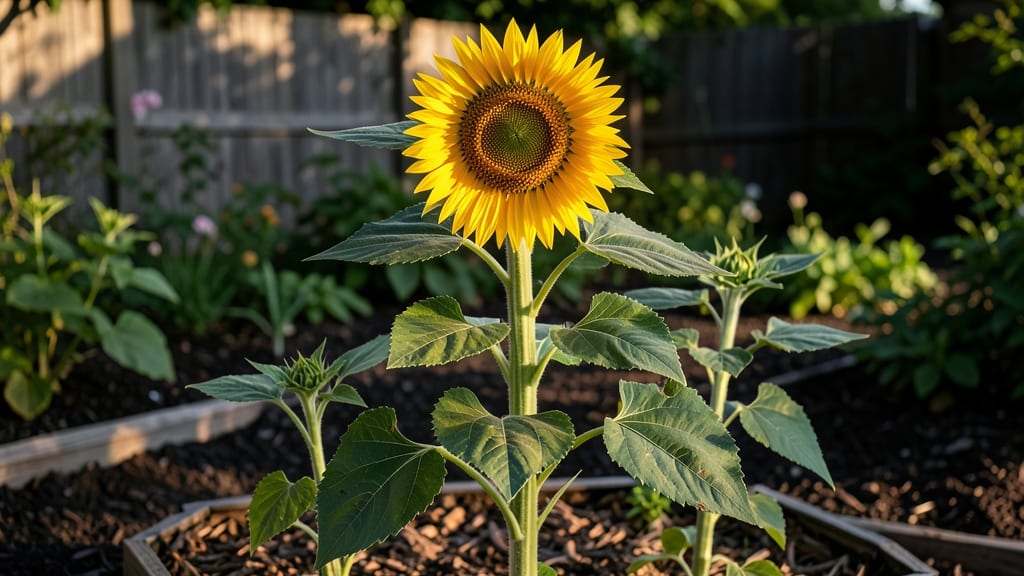
Growing a Mammoth Sunflower 🌻 from seed to towering bloom takes about 90 to 120 days, depending on your climate and care routine—so if you’re dreaming of a sunflower that reaches your roof, timing is everything.
Picture this: You plant those tiny seeds in spring, and by mid-summer, you’re staring up at a 12-foot giant that makes your neighbors do a double-take. But here’s the catch—skimp on sunlight or water, and you’ll end up with a leggy, weak stalk instead of the sturdy tower you imagined.
Below, I’ll break down the exact growth stages—from germination to full bloom—and share the three key factors that can speed up or slow down your sunflower’s progress.
You’ll learn how to set up your Mammoth Sunflower for success, whether you’re in zone 6a or just starting your garden, so you can enjoy those golden blooms right on schedule.


Mammoth sunflower growth timeline: months from seed to full bloom
Growing Mammoth sunflowers is like waiting for a skyscraper to rise in your backyard—it takes time, but the payoff is worth it. From the first seedling poking through the soil to the 12-foot-tall blooms reaching for the sky, these sunflowers follow a predictable timeline.
Understanding each stage helps you optimize growth and avoid common pitfalls like slow germination or weak stems.
The journey from seed to bloom typically spans 80 to 120 days, depending on your climate, soil conditions, and care routine. In warmer regions, you might see blooms as early as 70 days, while cooler areas could stretch the timeline to 140 days.
The key to success lies in soil temperature, sunlight exposure, and consistent watering practices.
Here’s a stage-by-stage breakdown of what to expect, including the critical milestones that determine how quickly your Mammoth sunflowers will grow:
| Stage | Timeframe | Key Actions | What to Watch For |
|---|---|---|---|
| Germination | 5–14 days | Plant seeds 1" deep in 50–60°F soil. Keep moist but not soggy. | Sprouts appear when soil stays warm. Cold soil delays germination by weeks. |
| Seedling Growth | 14–30 days | Provide full sun (6+ hours/day) and water at soil level to avoid fungal diseases. | Leggy seedlings? Thin to 12–18 inches apart to prevent overcrowding. |
| Vegetative Stage | 30–60 days | Apply balanced fertilizer (5-10-10) when plants hit 6–8 inches tall. Stake if needed. | Stems should thicken daily. Yellow leaves signal overwatering or nutrient deficiency. |
| Bud Formation | 60–80 days | Reduce watering slightly to prevent weak stems. Monitor for pests like aphids. | Bud swells visibly. Drooping buds may need more water or support. |
| Full Bloom | 80–120 days | Harvest seeds when back of head turns brown. Cut stems for arrangements. | Peak height: 10–16 feet. Wind or rain can damage blooms. |
During the germination phase, soil temperature is the most critical factor. Seeds won’t sprout until the soil reaches 50°F or warmer. If you’re in a cooler climate, consider starting seeds indoors 4–6 weeks before your last frost date to give them a head start.
I’ve seen seeds take up to 3 weeks to germinate in 45°F soil, which can significantly delay the entire growth timeline.
Once seedlings emerge, they enter the vegetative growth stage, where they focus on building a strong stalk. This phase lasts 30–60 days and is when your sunflowers will grow the fastest—sometimes 2–3 inches per day under ideal conditions.
To encourage this rapid growth, ensure they receive at least 8 hours of sunlight daily and water deeply at the base to avoid wetting the leaves, which can lead to fungal issues like powdery mildew.
The bud formation stage marks the transition from leafy growth to floral development. You’ll notice the first buds forming at the top of the stalk around 60 days after planting.
This is when many gardeners start reducing water slightly to harden off the stems and prepare them for the weight of the blooms. If you’re growing Mammoth sunflowers in a windy area, consider staking them early to prevent them from toppling over.
Finally, the full bloom stage is the moment you’ve been waiting for. Depending on your growing conditions, this can occur anywhere from 80 to 120 days after planting. The blooms themselves last 7–10 days before the petals dry and the seeds mature.
If you’re growing Mammoth sunflowers for seed harvest, wait until the back of the flower head turns brown and the seeds rattle when shaken—this usually happens 2–4 weeks after the petals dry.
One common mistake I see is assuming that bigger seeds or more fertilizer
How to speed up or slow down Mammoth sunflower growth naturally
Want your Mammoth Sunflowers to shoot up faster for a summer showstopper? Or are you aiming to delay blooms for a fall harvest? The key lies in controlling their environment—soil warmth, sunlight exposure, and watering consistency all play critical roles.
Unlike smaller varieties, these giants need precise care to avoid leggy stems or stunted growth.
I’ve grown Mammoth Sunflowers for years, and the difference between a 90-day bloom and a 120-day wait often comes down to small adjustments in your routine. Whether you’re rushing them for a July display or slowing growth for a September harvest, these natural methods will give you control without chemicals.
⚠️ NON-NEGOTIABLE: Mammoth Sunflowers need full sun (6-8 hours daily)—any less, and you’ll end up with weak, stretched stems. But too much heat without proper watering can stress them. The balance is everything.
- Soil Temp: Warm soil (70°F+) speeds germination by 30%. Use black plastic mulch or a seedling heat mat.
- Watering: Deep water every 2-3 days in summer to fuel rapid stalk growth.
- Fertilizer: Apply balanced 5-10-10 when sprouts hit 6 inches to boost height.
- Sunlight: Move plants to partial shade (4-6 hours sun) to delay flowering by 2-3 weeks.
- Watering: Reduce to weekly deep soaks in fall to slow stalk elongation.
- Pruning: Pinch top buds at 3-4 feet to redirect energy to roots.
For faster growth, focus on soil preparation first. Mammoth Sunflowers thrive in loose, nutrient-rich soil with a pH of 6.0-7.0. Amend heavy clay with compost or sand to improve drainage—waterlogged roots stunt growth by up to 40%.
I’ve seen seedlings double in height when planted in pre-warmed, aerated beds.
If you’re aiming for a fall harvest, light is your best tool. Start by planting in late June instead of spring. The shorter daylight hours naturally slow their growth, giving you blooms in September instead of July. Pair this with moderate watering (no deep soaks) to further delay maturation.
One mistake I see often? Over-fertilizing with high-nitrogen feeds. This leads to lush foliage but weak stems that can’t support the weight. Stick to a low-nitrogen, high-phosphorus blend (like 5-10-10) to encourage strong stalks. And always water at the base—wet leaves invite fungal diseases that slow growth.
Ready to tweak your timeline? Start with soil warmth and sunlight control, then fine-tune with water and fertilizer. Your Mammoth Sunflowers will thank you with either a summer spectacle or a fall bounty—whichever you prefer! 🌻