
Light Requirements
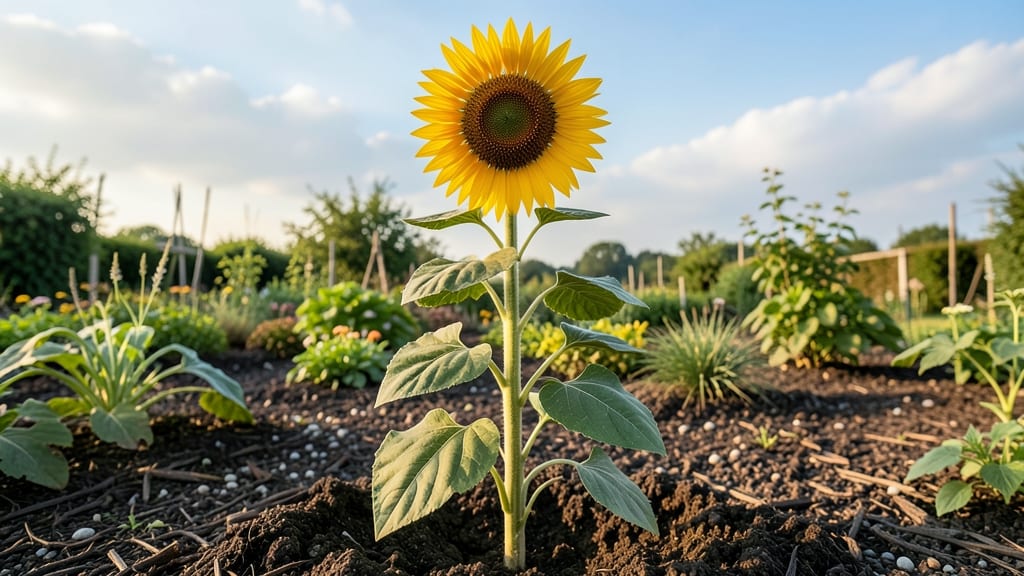
A full-grown Mammoth Sunflower 🌻 can reach heights of 10–14 feet, turning your garden into a sun-drenched skyline in just 90 days.
Imagine a sunflower so massive it towers over your fence line, blooming in just 90 days—this is the power of the Mammoth Sunflower, a gardener’s dream for dramatic height and effortless beauty.
But here’s the catch: without the right sunlight, soil, and support, even the hardiest seedling can flop over like a 9-foot-tall noodle. The key to unlocking its full potential lies in a few simple but critical steps.
In this guide, I’ll walk you through everything from planting to staking, so your Mammoth Sunflower stands tall and proud—no flopping allowed.
How tall does a full-grown mammoth sunflower really get?
When I first planted my Mammoth Sunflower seeds, I had no idea just how dramatic their growth would be. These giants of the garden world can reach heights that will make your neighbors do a double-take.
On average, a full-grown mammoth sunflower stands between 8 to 12 feet tall, though some varieties or ideal conditions can push them even closer to 14 feet. That’s taller than a basketball hoop or nearly as tall as a two-story house!
The height range isn’t just about showiness—it’s also about how you plan your garden layout. If you’re dreaming of a sunflower archway or a privacy screen, these plants deliver big time. But before you plant, it’s crucial to understand how they grow and what factors influence their final height.
Growth stages play a huge role in determining how tall your mammoth sunflower will become. In their first 60 days, they focus on developing a sturdy stem. By day 90, they’re typically in full bloom, reaching their peak height. Proper care during these stages ensures they don’t flop over under their own weight.
One of the biggest misconceptions is that mammoth sunflowers grow straight up like trees. In reality, their top-heavy blooms can cause them to lean or even snap if not supported.
This is where staking and spacing become game-changers. I’ll share my top tips for keeping them standing tall later in this guide.
Now, let’s talk real-world comparisons. If you’ve ever seen a Russian Giant sunflower, you’ll notice they’re in the same league—both can hit 12 to 14 feet. But mammoth sunflowers often mature slightly faster, making them a favorite for gardeners who want quick vertical impact.
Their bloom size is another standout feature, with flowers reaching 10 to 12 inches wide, perfect for cutting or attracting pollinators.
| Characteristic | Details |
|---|---|
| Mature Height Range | 8–12 feet (some up to 14 feet) |
| Growth Time to Bloom | 60–90 days |
| Stem Strength | Moderate (requires staking for support) |
| Bloom Size | 10–12 inches in diameter |
| Spacing Needs | 18–24 inches apart for optimal growth |
| Sunlight Requirement | Full sun (6–8 hours daily) |
| Water Needs | Deep watering every 3–5 days |
Environmental factors can significantly impact how tall your mammoth sunflower grows. For instance, soil quality plays a critical role. Well-draining, nutrient-rich soil helps them develop thicker stems capable of supporting their massive blooms.
If your soil is clay-heavy or poor, amending it with compost or organic matter can make a world of difference.
Another key factor is sunlight exposure. These sunflowers thrive in full sun conditions—at least 6 to 8 hours of direct sunlight daily. If you’re growing them in a partially shaded area, expect slower growth and potentially shorter stems.
My mammoth sunflowers in a south-facing garden bed reached their full height by mid-summer, while those in a north-facing spot stayed shorter and leggier.
Proper spacing between plants is often overlooked but is essential for maximizing height. Planting mammoth sunflowers too close together (less than 18 inches apart) can lead to competition for nutrients and sunlight, stunting their growth.
On the other hand, giving them 24 inches of space allows their stems to grow straight and strong, reducing the risk of flopping.
If you’re worried about your sunflowers toppling over, don’t fret—there are simple solutions. Staking or caging your mammoth sunflowers early in their growth phase can provide the support they need. I use bamboo stakes or tomato cages to keep them upright.
For an even more dramatic look, try trellising them along a fence or wall, turning them into a living vertical garden feature.
Finally, let’s address a common question: Can you grow mammoth sunflowers in containers? While it’s possible, it’s not ideal for maximizing their height. Their deep root systems need plenty of space to establish, and container-grown sunflowers often struggle to reach their full potential.
If you’re set on container growing, opt for a large pot (at least 12 inches deep) and use a support stake to guide their growth upward.
In summary, a full-grown mammoth sunflower is a stunning addition to any garden, capable of reaching 8 to 12 feet tall with the right care. By focusing on proper spacing, sunlight, soil quality, and support, you’ll give your sunflowers the best chance to grow tall and proud.
Ready to plant? Grab your seeds and let’s get growing! 🌻
Best practices for growing a mammoth sunflower from seed to bloom
Growing a full-grown mammoth sunflower from seed is a rewarding challenge that pays off with a towering, golden spectacle. These giants need the right conditions to reach their 10–14-foot potential without toppling over.
Start by selecting a sun-drenched spot with loose, nutrient-rich soil—this is the foundation for strong stems and vibrant blooms.
Mammoth sunflowers thrive in well-draining soil with a pH between 6.0 and 7.0. Amend heavy clay soil with compost or sand to prevent waterlogging, which can weaken stems. A 6-inch layer of mulch around the base will retain moisture and suppress weeds, giving your sunflower the best start.
Once your mammoth sunflower reaches 3–4 feet tall, it’s time to reinforce its structure. Use bamboo stakes or metal cages to prevent flopping, especially in windy conditions. Secure the stem with soft ties every 12 inches up the stalk, adjusting as the plant grows.
This support system is critical—without it, your sunflower may bend or snap under its own weight.
Monitor your sunflower for pests like aphids or powdery mildew, common issues for tall varieties. Spray leaves with neem oil or a soapy water solution at the first sign of trouble.
Prune lower leaves to improve airflow and reduce disease risk. With consistent care, your mammoth sunflower will reward you with a 12-foot-tall bloom by mid-summer.
As your sunflower nears maturity, reduce watering slightly to harden off the plant before blooming. Once the flower head opens fully, enjoy its dramatic presence or harvest seeds for next year’s garden.
With these best practices, your mammoth sunflower will stand as a garden centerpiece for years to come. 🌻