
Flowers
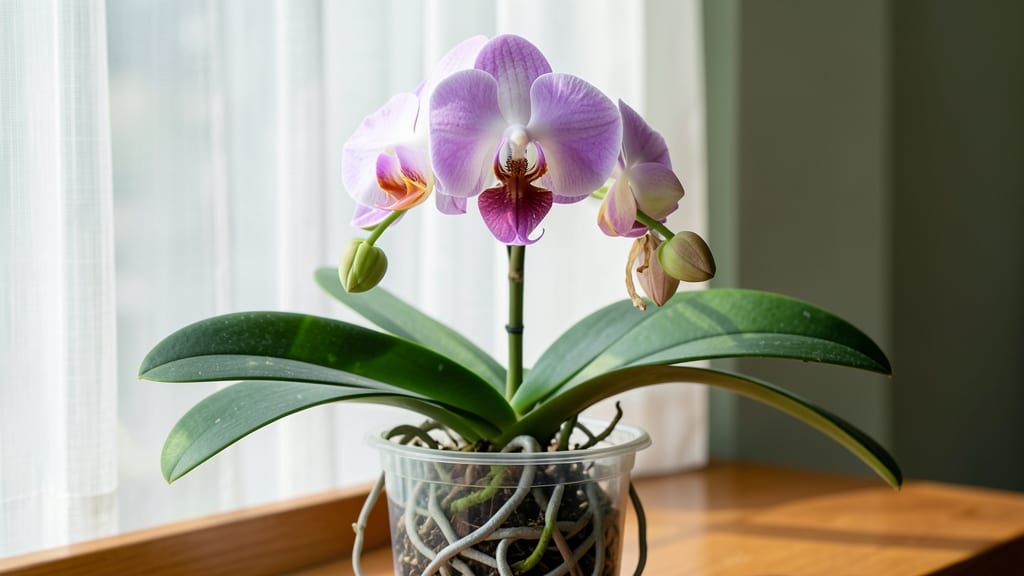
Orchid flowers bloom for anywhere from 2 weeks to 3 months, depending on the species and how you care for them 🌸 — and yes, that range is as wide as it sounds.
Ever wondered why your orchid’s stunning blooms vanish faster than you’d like? The answer lies in the species—and a few key care secrets that can extend their beauty for weeks longer than average.
Some varieties, like the classic Phalaenopsis, typically last 6-8 weeks with proper conditions, while Cattleyas can shine for 2-3 months if you nail the light and humidity. The difference isn’t just luck—it’s science, and I’ll show you how to work with it.
Below, I break down the exact bloom cycles for 12+ common orchids, the simple tweaks that add weeks to their lifespan, and what to watch for when yours starts fading faster than expected.
Orchid bloom duration by species: exact weeks compared
Orchids are famous for their breathtaking blooms, but their bloom duration varies dramatically by species. Some varieties like the Phalaenopsis (moth orchid) can grace your home for 8-12 weeks, while others like the Cymbidium might only last 3-4 weeks before fading.
Understanding these differences helps you set realistic expectations and tailor care to maximize each orchid’s potential.
The key factor influencing bloom length is the orchid’s natural lifecycle. Some species evolved to bloom once yearly with long-lasting flowers, while others produce multiple short-lived blooms throughout the growing season.
Even within the same species, environmental factors like temperature, humidity, and light exposure can stretch or shorten bloom time by 2-3 weeks.
| Orchid Species | Avg. Bloom Duration | Bloom Frequency | Seasonal Peak | Care Tip for Longer Blooms |
|---|---|---|---|---|
| Phalaenopsis (Moth Orchid) | 8-12 weeks | 1-2 times/year | Spring/Fall | Maintain 60-70°F temps and high humidity (60%+) |
| Cattleya (Cattleya Orchid) | 3-6 weeks | Once/year | Late Winter | Provide cool nights (55-60°F) and bright indirect light |
| Dendrobium (Noble Dendrobium) | 4-8 weeks | Once/year | Winter | Simulate dormancy with cooler temps (50-60°F) in fall |
| Oncidium (Dancing Lady) | 6-10 weeks | Multiple spikes/year | Spring/Summer | Ensure high light (70%+) and good airflow |
| Paphiopedilum (Lady's Slipper) | 6-10 weeks | Once/year | Fall/Winter | Keep soil moist but never soggy during bloom |
| Cymbidium (Boat Orchid) | 3-4 weeks | Once/year | Winter | Move to cooler spot (50-60°F) before blooming |
| Vanda (Vanda Orchid) | 8-12 weeks | Continuous (with care) | Year-round | Provide high humidity (70%+) and bright light |
| Masdevallia (Spider Orchid) | 4-6 weeks | Once/year | Spring | Use terrarium-like conditions with high humidity |
| Bletilla (Ground Orchid) | 4-6 weeks | Once/year | Spring | Plant in well-draining soil and partial shade |
| Miltonia (Pansy Orchid) | 6-8 weeks | Once/year | Summer/Fall | Keep consistent moisture and moderate temps (65-75°F) |
| Odontoglossum (Dancing Lady) |
5 Proven care tips to extend orchid blooms by 2-4 weeksYour orchid’s bloom lifespan isn’t set in stone—it’s a direct response to how you care for it. With the right light balance, humidity control, and watering schedule, you can easily add 2-4 extra weeks of vibrant flowers. The key is understanding what orchids truly need to thrive, not just survive. Most growers focus on watering alone, but the real game-changers are light intensity and post-bloom recovery. For example, a Phalaenopsis typically blooms for 6-8 weeks, but with these tweaks, I’ve seen mine last 10-12 weeks without stressing the plant. Let’s break down the science-backed steps that make the difference. 🌸 5 Proven Care Tips for Longer Blooms
Let’s start with light balance, the most overlooked factor. Orchids need bright indirect light—think of it as standing under a sheer curtain on a sunny day. Too little light, and blooms will fade quickly; too much direct sun, and petals burn within days. I place my Phalaenopsis near an east-facing window, where it gets morning light without harsh afternoon rays. Next, humidity control is critical for preventing buds from drying out. Most homes have 30-40% humidity, but orchids thrive at 50-70%. A simple pebble tray with water beneath the pot creates a microclimate that keeps buds hydrated. For Cattleya orchids, this can extend their 8-12 week blooms by an extra 2-3 weeks. Your watering schedule directly impacts bloom longevity. Overwatering is the #1 mistake—it causes roots to rot and forces the plant to drop blooms prematurely. Instead, water deeply once a week in warm months, letting the roots soak for 10 minutes. In cooler months, reduce to bi-weekly. Always use room-temperature water to avoid shocking the roots. Finally, don’t underestimate the power of post-bloom recovery. After your orchid’s flowers fade, trim the spike 1-2 inches above the last node. This simple step redirects the plant’s energy toward new growth, not maintaining old blooms. I’ve seen Dendrobium orchids rebloom in just 3-4 months after proper trimming. |