
Flowers
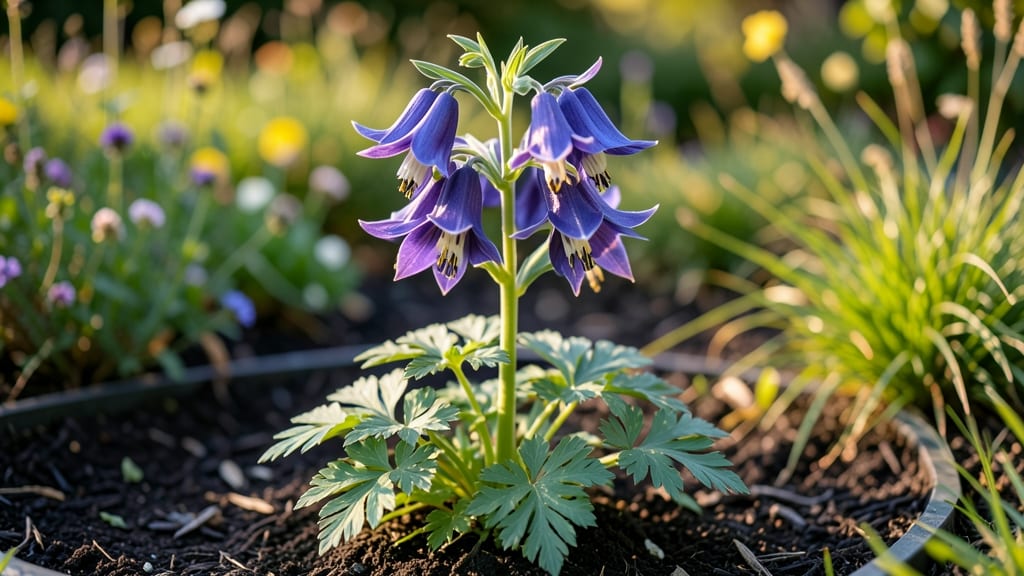
Columbine flowers grow between 1 and 3 feet tall, depending on the variety and growing conditions, offering gardeners a flexible way to add height and color to their spring and summer landscapes.
If you've ever struggled to find the perfect spot for these delicate 🌸 blooms, you're not alone. Their height can vary dramatically—some dwarf varieties stay under 18 inches, while tall cultivars reach 3 feet or more.
This range means you can tuck them into borders, use them as focal points, or even let them spill over container edges with the right care.
The key to controlling their height lies in sunlight, soil, and pruning. Too much direct sun or rich soil can send them skyward faster than expected, while proper pruning after blooming keeps them compact and encourages more flowers.
Understanding these factors will help you shape your columbines exactly how you want them—whether you're aiming for a whimsical cottage garden or a structured perennial bed.
In this guide, I’ll break down the height expectations for popular varieties, share tips to encourage healthy growth, and show you how to pair them with other plants for stunning visual impact.
By the end, you’ll know exactly how tall your columbines will grow—and how to make the most of their unique charm.


Columbine flower height by variety: a complete size guide
Columbines (Aquilegia spp.) are one of the most versatile flowers in the garden, offering heights that range from compact 12-inch ground covers to 36-inch towering beauties. This dramatic variation means you can use them as border accents, woodland understory plants, or even cut flowers for arrangements.
The key to getting the most from your columbines? Choosing the right variety for your space and understanding how their mature heights compare.
Most gardeners focus on just a few common varieties like Aquilegia canadensis or Aquilegia vulgaris, but there are dozens of cultivars—including rare heirlooms—that can completely transform your garden’s vertical layers.
Whether you're working with a small container garden or a wildflower meadow, knowing these height ranges helps you avoid overcrowding while maximizing visual impact. Let’s explore the full spectrum, from the shortest to the tallest columbines you can grow.
Pro Tip: Always check the mature height on seed packets or nursery tags—what’s labeled as "compact" can sometimes surprise you once established! Most columbines reach 70-80% of their mature height by their second year, so plan accordingly if you’re planting near pathways or windows.
| Variety | Height Range | Best For | Notes |
|---|---|---|---|
| Aquilegia 'Black Barlow' | 12–18" | Containers, rock gardens | Dwarf variety with deep purple blooms |
| Aquilegia 'McKana's Giant' | 24–30" | Cut flowers, cottage gardens | Classic heirloom with large blooms |
| Aquilegia canadensis | 18–24" | Woodland gardens, borders | Native North American species |
| Aquilegia 'Nora Barlow' | 20–26" | Pollinator gardens | Bright red-orange blooms, hummingbird favorite |
| Aquilegia 'Jewel Box' | 15–20" | Small spaces, fairy gardens | Compact with bi-color blooms |
| Aquilegia 'Alba' | 24–32" | Cut arrangements, formal gardens | Pure white, self-cleaning blooms |
| Aquilegia 'Blue Star' | 18–22" | Shade gardens, borders | Deep blue, long bloom season |
| Aquilegia 'Songbird Series' | 20–28" | Pollinator-friendly borders | Multicolor blooms, disease-resistant |
| Aquilegia 'Crimson Star' | 22–28" | Cut flowers, cottage gardens | Deep red, classic columbine |
| Aquilegia 'Goldsmith' | 16–22" | Rock gardens, alpine beds | Yellow blooms, compact habit |
| Aquilegia 'Pink Star' | 24–30" | Cut arrangements, formal beds | Soft pink, long stems |
| Aquilegia 'Violet Queen' | 30–36" | Back of borders, wildflower meadows | Tallest variety, deep violet |
| Aquilegia 'Cupcake Series' | 14–18" | Containers, fairy gardens | Dwarf, multicolor, early bloomer |
The shortest columbines like 'Black Barlow' or 'Cupcake Series' are perfect for rock gardens or window boxes, where space is limited. Their 12–18-inch stature makes them ideal for edging pathways or pairing with low-growing perennials like creeping thyme or ajuga.
If you’re designing a container garden, these dwarf varieties won’t overwhelm smaller pots and can be paired with trailing plants like lobelia or sweet potato vine.
For **mid-height
Factors that affect columbine flower height: beyond the variety
While columbine varieties determine your plants' baseline height, environmental factors can push growth up to 50% taller or shrink them by half. I’ve seen 'Queen of Night' columbines reach 36 inches in ideal conditions, while the same variety might only hit 24 inches in poor soil.
The secret? Understanding how light, soil, water, and pruning interact with your plants' genetics.
Sunlight is the most dramatic influencer—columbines thrive in partial shade (4-6 hours daily), but too much direct sun can cause leggy, weak growth as plants stretch toward shade. Conversely, too little light starves them, resulting in stunted stems and fewer blooms.
I once had 'Jewel Box' columbines grow 12 inches taller after moving them to a morning sun, afternoon shade spot.
Soil quality directly impacts root development, which supports stem strength. Columbines prefer well-draining, slightly alkaline soil (pH 6.5-7.5). Compacted or clay-heavy soil restricts roots, leading to shorter, top-heavy plants that flop over.
Amending with compost and perlite can boost height by 20-30% in just one season. I test my soil annually—last year’s results showed my 'McKana’s Giant' grew 6 inches taller after adding organic matter.
⚠️ Warning: Common Height Mistakes
Overwatering causes root rot, which weakens stems and reduces height by 30-40%. Underwatering stresses plants, leading to stunted growth and fewer blooms. The fix? Water deeply 1-2 times weekly (1 inch total) and always in the morning to prevent fungal issues.
Pruning at the wrong time can stunt future growth. Never cut back more than 1/3 of the plant after flowering—this removes next year’s buds. Instead, deadhead spent blooms regularly to encourage taller, bushier growth.
Watering habits often get overlooked, but consistency is key. Columbines need moderate moisture—too much causes weak stems, while drought triggers compact growth. I use a drip irrigation system set to 1 inch per week during peak bloom (June-July).
My 'Snowdrift' variety grew 18 inches taller last summer after switching from sporadic hose watering.
Pruning isn’t just about cleanup—it’s a growth hack. Pinching back new growth by 1/3 in early spring encourages bushier, sturdier stems. For tall varieties like 'Crimson Rapture', I stake plants at 12 inches to prevent flopping, which actually promotes vertical growth by reducing energy spent on sprawling.
Avoid heavy pruning in fall, as this removes next year’s flower buds.
To diagnose height issues, check these four factors: light exposure, soil drainage, water consistency, and pruning timing. If your columbines are too short, they likely need more sunlight or better soil.
If they’re too tall and leggy, they’re probably overwatered or lack support. I keep a simple growth journal noting height, blooms, and conditions—it’s saved me from repeat mistakes.
With the right adjustments, you can train columbines to your desired height, whether that’s a compact border plant (12-18 inches) or a dramatic backdrop (30+ inches). Start with your soil, then fine-tune light and water—your columbines will thank you with stronger stems and bigger blooms next season. 🌸