
Flowers
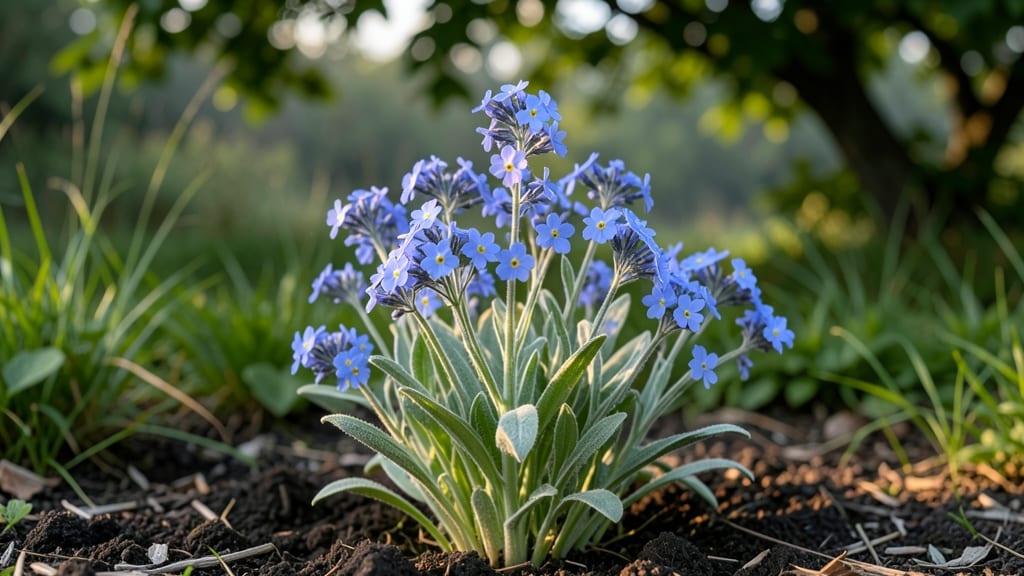
Forget-me-not flowers grow between 6 and 18 inches tall, depending on the variety and growing conditions—making them perfect for borders, containers, or cottage-style gardens.
If you’re dreaming of delicate blue blooms but wondering whether forget-me-nots will sprawl across your garden or stay neatly contained, you’re not alone—height matters in every garden plan!
The tallest varieties, like Myosotis sylvatica, can reach 18 inches in ideal conditions, while dwarf types like 'Blue Ball' stay compact at just 6 inches. Sunlight and soil quality play a big role—too much shade keeps them smaller, while rich, well-draining soil encourages fuller growth.
Below, I’ll break down the height differences between varieties, how to control their size, and the best ways to use them in your garden—whether you want a tidy edge or a cascading display.


Forget-me-not flower heights: dwarf vs. standard varieties compared
When planning your garden, knowing how tall do forget-me-not flowers grow helps you choose the perfect spot for their delicate blooms. Forget-me-nots (Myosotis spp.) come in two main height categories: dwarf varieties and standard varieties, each suited for different garden styles.
The height difference between them can transform your landscape from a wildflower meadow to a neatly trimmed border.
Most gardeners focus on Myosotis sylvatica, the classic woodland forget-me-not, which typically reaches 12-18 inches tall at maturity. This makes it ideal for cottage gardens or woodland edges where it can spill gracefully over borders.
However, if you're working with smaller spaces, like containers or rock gardens, dwarf varieties like Myosotis alpestris (alpine forget-me-not) stay compact at just 6-12 inches tall.
Here’s the key distinction: standard forget-me-nots thrive in partial shade with moist, well-draining soil, while dwarf varieties often tolerate full sun and drier conditions, making them more versatile for modern gardens. Understanding these differences ensures you pick the right type for your light conditions and garden design goals.
| Variety | Mature Height | Spread | Sunlight Needs | Best For |
|---|---|---|---|---|
| Myosotis sylvatica (Standard) | 12-18 inches | 12-18 inches | Partial shade | Woodland gardens, borders |
| Myosotis alpestris (Dwarf) | 6-12 inches | 6-12 inches | Full sun to partial shade | Rock gardens, containers, alpine beds |
| 'Blue Ball' (Dwarf Hybrid) | 8-12 inches | 10-12 inches | Full sun to partial shade | Front of borders, window boxes |
| 'Victoria' (Standard) | 15-18 inches | 12-15 inches | Partial shade | Shady borders, cottage gardens |
If you're planting Myosotis sylvatica in full sun, expect slightly shorter growth—around 10-14 inches—due to heat stress. Conversely, dwarf varieties like 'Blue Ball' actually thrive in full sun, producing more compact, bushier plants with brighter blooms.
This makes them perfect for container gardening or rockery designs where space is limited.
For border planting, standard forget-me-nots work beautifully when paired with taller perennials like foxgloves or delphiniums, creating a layered look. Dwarf varieties, however, shine in foreground plantings, where their low-growing habit draws the eye to their vibrant blue flowers.
Mixing both types in a single border can add depth and texture to your garden.
One common mistake is assuming all forget-me-nots prefer shade. While Myosotis sylvatica loves partial shade, its dwarf cousins often handle more sunlight. Test your soil’s moisture retention—well-draining soil prevents leggy growth in both types, ensuring they stay compact and healthy.
Amend heavy clay with compost or sand to improve drainage and encourage stronger stems.
For container gardening, choose dwarf varieties to avoid overcrowding. A 6-inch pot works for single plants, while 8-inch containers can accommodate small clusters. Place containers in morning sun to prevent afternoon wilting, especially in hot climates.
Mulch with organic matter like straw to retain moisture and keep roots cool during summer.
If you're growing forget-me-nots for cut flowers, standard varieties like 'Victoria' provide longer stems for bouquets. Harvest stems when 2-3 buds are open to extend vase life.
Dwarf varieties, while shorter, make charming table centerpieces when grouped in small bunches. Always cut stems at a 45-degree angle to encourage new growth and prolong flowering.
Remember, forget-me-not height isn’t set in stone—pruning and care play a role. Pinch back leggy stems in early spring to encourage bushier growth, and deadhead spent blooms to redirect energy into new flowers.
With the right variety and conditions, you’ll have neat, vibrant forget-me-nots that fit seamlessly into any garden design.
How to control forget-me-not height for perfect garden beds
Forget-me-nots (Myosotis spp.) are charming but can quickly outgrow their welcome if left unchecked. Their natural height ranges from 6 to 18 inches, but with the right techniques, you can shape them to fit your garden design—whether that means keeping them compact or encouraging a bushier form.
The key lies in understanding their growth habits and using simple, low-maintenance methods to guide their development.
One of the easiest ways to control height is through regular pruning. These delicate flowers respond well to light trimming, especially after blooming. Pinching back the stems just above a set of leaves encourages fuller growth and prevents legginess.
I’ve found that trimming forget-me-nots in early summer—right after their first flush of blooms—helps them stay neat and bushy for the rest of the season.
If you’re growing forget-me-nots in containers or small garden beds, staking is your best friend. Their stems can become top-heavy, especially in partial shade where they grow taller. I recommend using bamboo stakes or decorative pebbles to provide support without obstructing the view of their charming blooms.
For taller varieties, like Myosotis alpestris, a few stakes placed strategically can make all the difference in keeping them upright.
Another clever trick is to use companion planting to naturally control their height and spread. Forget-me-nots pair beautifully with low-growing plants like creeping thyme, ajuga, or even miniature hostas.
These companions not only add texture to your garden beds but also help keep forget-me-nots contained while creating a lush, layered look. Plus, they attract pollinators, making your garden even more vibrant!
For gardeners who love the idea of self-seeding forget-me-nots, let them do their thing—but with intention. Allow a few plants to go to seed in one corner of your garden, then deadhead the rest to prevent unwanted spread.
This way, you’ll enjoy a natural regeneration of these cheerful blooms year after year without them taking over. Just be sure to remove any volunteers that pop up where you don’t want them!
With these simple techniques, you can enjoy the beauty of forget-me-nots without worrying about them becoming unruly. Whether you’re aiming for a neat border, a container display, or a wildflower meadow, controlling their height is all about timing, pruning, and a little strategic planning. Happy gardening! 🌸